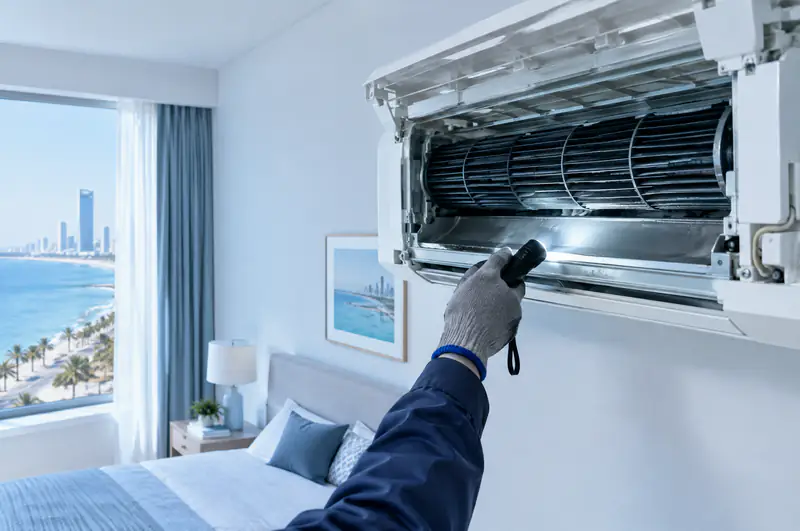

Diagnose first, repair right
AC repair & faults in Dhahban
In Dhahban, far north Jeddah, AC repair rests on precise scientific diagnosis, not guesswork. We test the electrical circuit, coil, drain and joints to identify the real cause before any action.
- Diagnose before fixing
- Symptoms and causes
- Repair or replace
Clients We're Proud to Serve
Organisations and companies that trusted Alrabih with their projects.


































When you need a fault technician
- 1
The unit runs but does not cool
The compressor runs, the fan turns, but the air is warm or barely cool. The cause may be in the capacitor, a loose flare joint or a condenser coil choked with Jeddah dust and salt. The site check decides which.
- 2
The unit trips the breaker or stops suddenly
The circuit breaker opens minutes after start-up, or the unit shuts off on its own then restarts. This points to overload on the compressor, a faulty capacitor or a thermal cut-out triggered by weak ventilation. We test each possibility in order.
- 3
Water dripping from the indoor unit
Damp on the wall or ceiling is alarming and often comes back after a clean. The most common cause is a blocked drain tray or a drain line without enough fall; sometimes an indoor coil freezes then thaws. We trace the water path to find exactly where it fails.
Who it's for
Your split unit hums but cools much less than before
We test the capacitor, condenser coil and flare joints on your unit to find the real cause before any part is replaced.
Ask on WhatsAppAn AC unit in your shop trips the breaker and disrupts business
We trace the electrical circuit and test the capacitor and thermal cut-out to find why the breaker trips and fix it before it disrupts your business further.
Ask on WhatsApp
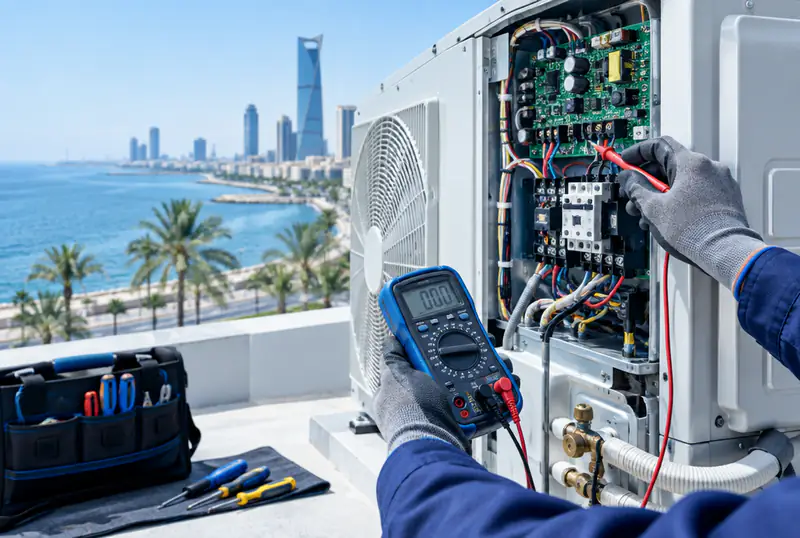
What fault diagnosis and repair covers
- Electrical circuit check
- Capacitor and relay test
- Evaporator and condenser coils
- Drain line trace
- Part replacement and test run
How we work
How we work
- 1
Send the full symptoms
Tell us on WhatsApp what you notice: a sound, a smell, dripping water, a tripped breaker or weak cooling. More detail means the technician arrives with the right tools and likely parts.
- 2
Systematic on-site check
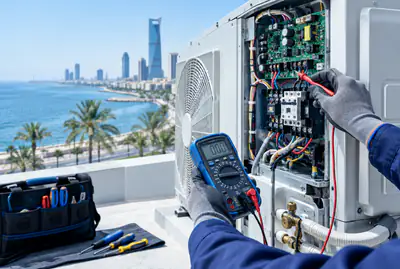
The technician reads the fault code if there is one, then tests the electrical circuit, capacitor, both coils and the drain line, before deciding which part needs replacing.
- 3
Explain the fault and options
The technician tells you the actual cause and what fixing it takes. If the unit is old and the repair outweighs its practical value, he says so clearly and explains the options.
- 4
Repair and test run
After your approval the repair is done, the unit runs, air temperature is measured, the drain is checked and the electrical circuit is confirmed stable before the technician leaves.
Proper diagnosis or guessing at parts?
| Alrabih | The usual way | |
|---|---|---|
| Starting point | Read symptoms and test circuit | Replace the nearest part |
| Capacitor | Measured before replacing | Replaced without testing |
| Drain line | Traced to the outlet | Cleaned and left |
| Replace decision | Against unit's remaining life | Never raised |
| Vacuum check | Done after every circuit opening | Sometimes skipped |
Everything your AC needs, from one team
From system design and duct fabrication to installation, commissioning and maintenance.

Split AC installation
Request this serviceDuct installation
Request this serviceCentral AC installation
Request this serviceDuct fabrication
Request this serviceCold room installation
Request this serviceElectro-mechanical works
Request this serviceChiller & AHU installation
Request this serviceHVAC design
Request this serviceAC repair & faults
Request this serviceAC cleaning
Request this serviceRefrigerant charging
Request this serviceCentral AC maintenance
Request this serviceChiller maintenance
Request this serviceAC removal & refitting
Request this serviceDuct cleaning & sanitising
Request this serviceAC servicing by brand
Request this serviceOperation & maintenance contracts
Request this serviceAHU maintenance
Request this serviceFridge & freezer service
Request this serviceCold rooms
Request this serviceDisplay fridges & chillers
Request this serviceFactory HVAC
Request this serviceWarehouse HVAC
Request this serviceVilla & home HVAC
Request this serviceHotel HVAC
Request this serviceSchool HVAC
Request this serviceHospital HVAC
Request this serviceMosque HVAC
Request this serviceMall & retail HVAC
Request this serviceRestaurant & cafe HVAC
Request this service
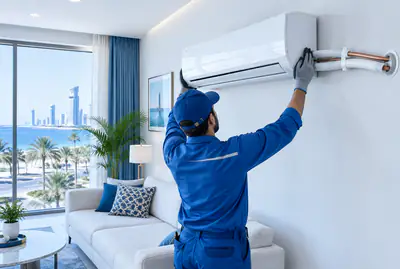





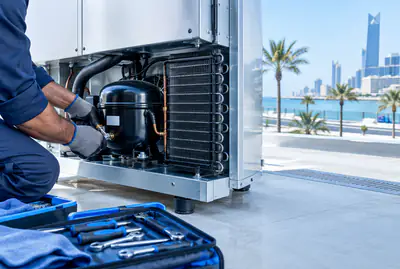











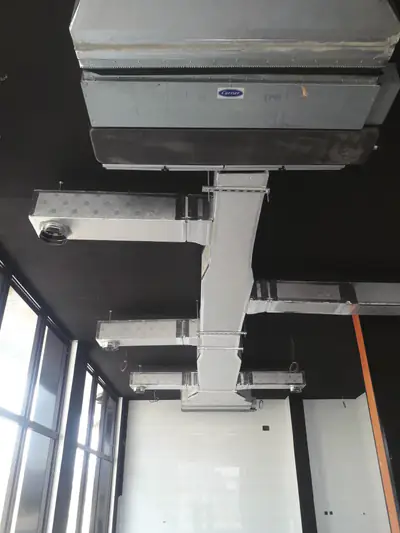
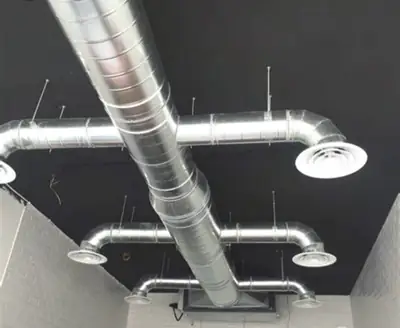
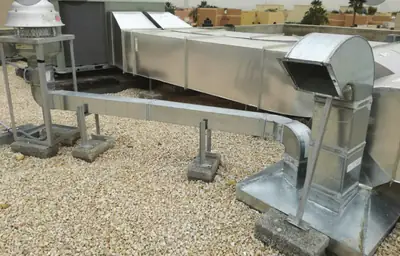
Some of our work
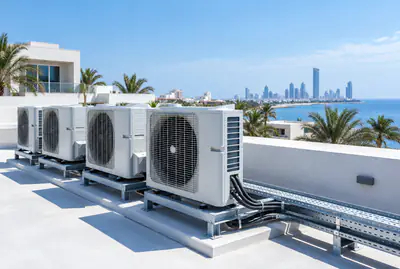
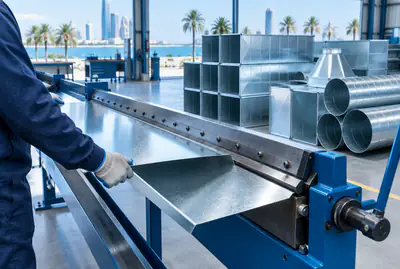
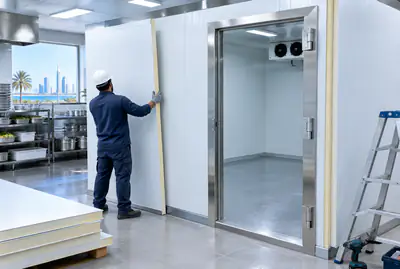
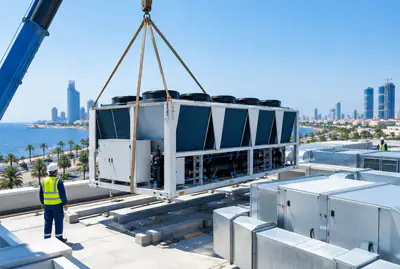
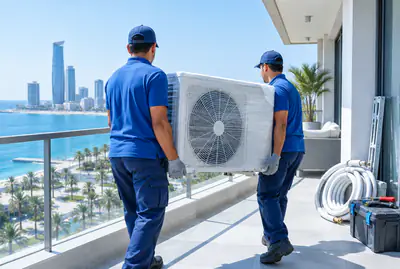
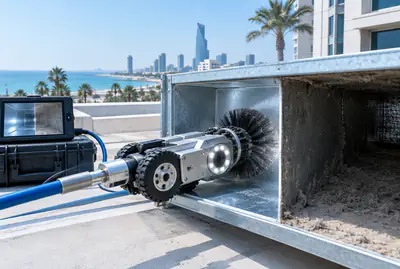
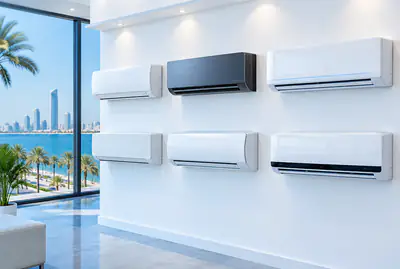
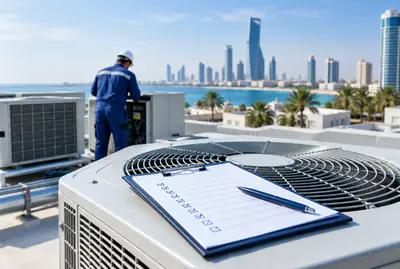
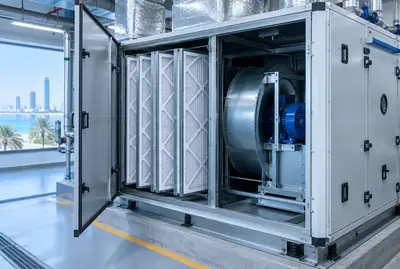
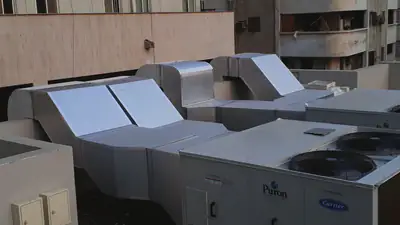
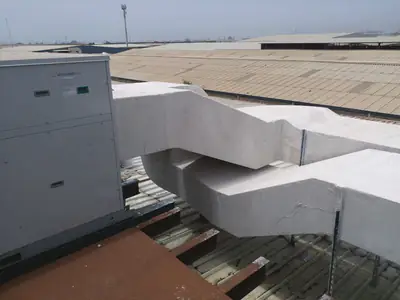
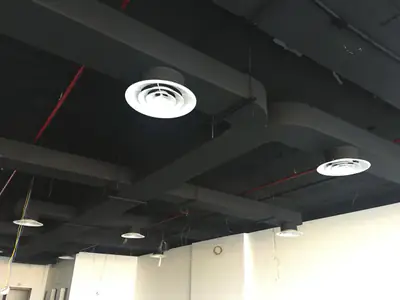
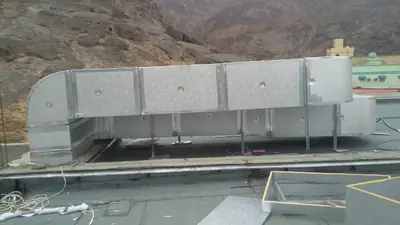
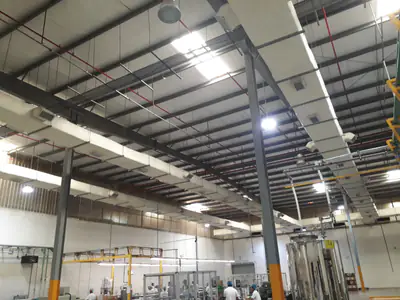
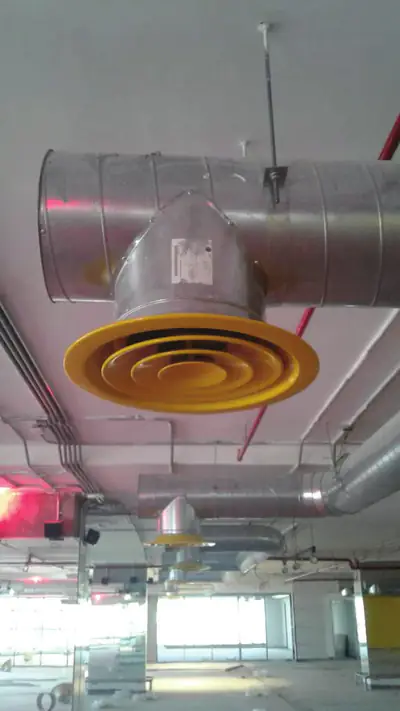
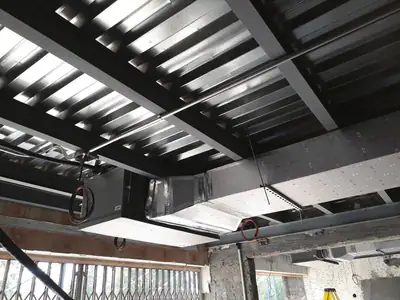
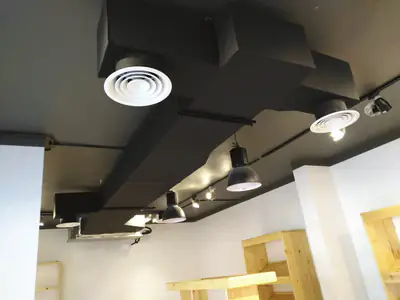
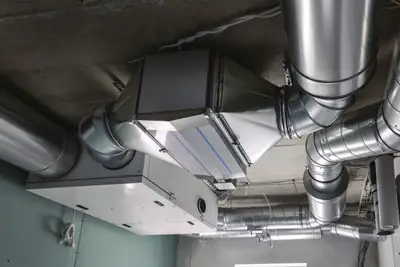
Ductwork, rooftop units and diffusers, from work we've completed in Jeddah.
Customer reviews
What our customers say
- Muhammadramzan 2641
“MashaaAllah. Services are so good. Behaviour and kindness 100/100. Prices are less then Market. Fully recommended”
- shahzeb armani
“Wow. Prices are so comfortable. Outstanding services. People are so talented and nice”
- Tawfik AlyawerLocal Guide
“U can find all u need for air conditioning”
Your satisfaction matters to us! If you had a great experience with us, we'd love a 5-star rating and a kind review.
Worked with us? Leave a reviewService areas
We come to you anywhere in Jeddah
From Al Shiraa and Al Yaqout in the north to Al Thaghr and Al Quraiyat in the south, with our base in Al Aziziyah.

What sets this district apart
Dhahban is a distant coastal zone in far north Jeddah with modern apartment blocks and low-density villas on wide streets. But proximity to the sea, high humidity and salt exposure make electrical wiring and joints corrode rapidly, and mould grows easily in drain pans and coils. AC faults here are often a mix of chemical wear and mechanical failure, so we must test electrical parts and metals thoroughly.
Dhahban sits far north Jeddah on the coast, a modern area of apartment blocks and low-density villas affected by sea humidity and salt exposure.
Units here are mostly modern splits, but external wiring and joints are prone to rapid corrosion due to coastal salt and humidity.
The AC setup in Dhahban
- 1
Modern split but exposed to salt and humidity
Split units in Dhahban are modern but external wiring and joints corrode rapidly from salt and sea moisture.
- 2
Mould buildup in drain and coil
High humidity causes rapid mould growth in drain pans and evaporator coils, reducing cooling efficiency.
- 3
Reasonable access to units on safe roofs
Outdoor units are usually on regular, safe roofs, allowing easy access and testing but requiring protection from salt spray.
Before the visit
Before our visit in Dhahban
- 1
Confirm the unit location before we visit
Tell us if the outdoor unit is on the roof or the facade wall, and whether there is any protection from salt spray.
- 2
Save a sample of condensed water if possible
If possible, keep a small sample of AC condensate water; we may test it for mould or salt contamination.
- 3
Ensure safe access to wires and joints
If wiring runs on external walls, confirm the team can safely reach it without dangerous climbing.
More districts for AC repair & faults
Other services in Dhahban
FAQ
Questions about AC repair & faults
How do you tell whether it is the capacitor or the compressor?
The technician measures the capacitor's microfarad value and compares it with the figure printed on the casing. If the reading is low, the capacitor is replaced first and the unit is retested. The compressor is only judged after confirming the surrounding circuit is sound, and this sequence prevents replacing an expensive part without reason.
Water keeps dripping from the ceiling after every service. Why?
Cleaning alone is not enough if the drain line does not have the right fall or the drain tray has a small crack. We follow the water path from the tray to the outdoor drain outlet and check the fall at every section. Sometimes the indoor coil freezes and thaws because of poor airflow, which is a different cause and needs a different check.
Does loud noise from the unit mean a serious fault?
It depends on the type of sound. A click at start-up is often plastic expanding with heat; a continuous hiss may point to a leak at a joint; a rattling sound usually means something caught in the fan or a fan that needs balancing. The technician describes the cause after listening and checking both units.
When is replacing the unit better than repairing it?
There is no fixed rule, but we consider the unit's age, the refrigerant type written on its nameplate and the cost of the repair against the price of a new unit. If faults keep returning or the refrigerant type is hard to source, replacing makes more economic sense. The technician lays the calculation out clearly before any decision is made.
Does a bad smell from the unit need a repair or just a clean?
A musty smell usually comes from bacterial growth on the evaporator coil or a stagnant drain tray, which is a cleaning matter. But a burning or hot-plastic smell points to heat in the electrical circuit or a component about to fail, and in that case a fault technician must inspect the unit before it is run again.
The outdoor wires look orange with rust, is that dangerous?
Rust on wires reduces electrical conductivity and causes intermittent faults. We test electrical resistance, clean or replace wires according to damage.
Sea humidity makes my AC break down often, are the indoor parts affected?
Yes, coastal humidity penetrates the indoor unit and corrodes electronic components and metals. We specially test the circuit board and sensors.
The AC runs but cuts out suddenly then restarts, is that an intermittent fault?
It could be loose electrical contact or a faulty sensor. We test all connections and circuits under real operating conditions to pinpoint the cause.
Does a coastal AC need more maintenance than one inland?
Absolutely. Coastal salt and humidity accelerate wear, so we recommend maintenance at least every six weeks, with regular cleaning of wires and joints.