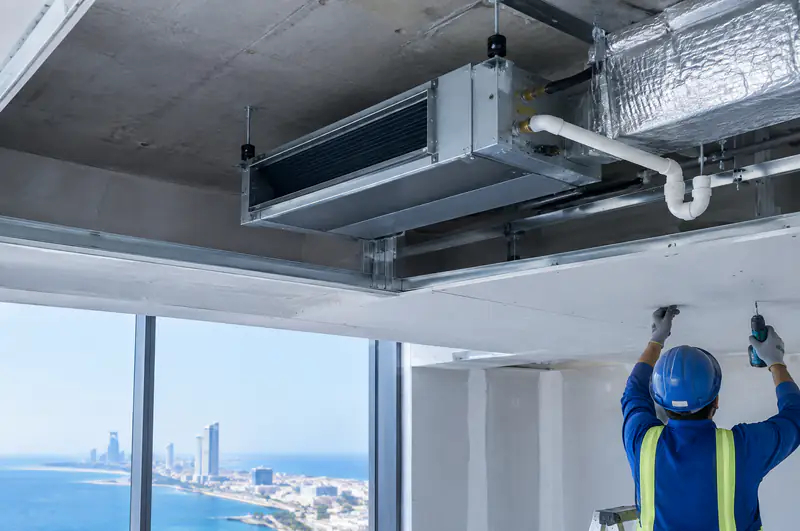

The unit above the ceiling
Concealed central AC in Al Marsa
Al Marsa in south Jeddah is home to modern villas and apartment blocks that rely on concealed central AC systems tucked in the ceilings. When yellow stains appear on the plasterboard or airflow weakens at the grilles, Alrabih's team reaches the unit through the access panel and cleans the evaporator coil and drain pan without disturbing your ceiling.
- Stain-free ceiling
- Clean drain
- Balanced airflow
Clients We're Proud to Serve
Organisations and companies that trusted Alrabih with their projects.



































When does a concealed unit need attention?
- 1
A damp stain on the plasterboard
Yellowing or a swollen plasterboard panel below the unit means the drain pan is overflowing. The cause is usually a blocked drain line or a dry trap that has lost its air seal, and leaving it widens the stain and damages the board.
- 2
Weak air from certain grilles
When grilles in one room weaken while others stay cool, the evaporator or blower inside the concealed unit needs cleaning. Jeddah's heavy dust settles on the fins and blower wheel and gradually cuts the airflow.
- 3
Humming or vibration from above
A recurring sound from the ceiling void may come from the blower wheel if it is dirty or unbalanced, or from the unit if its mounts have loosened. Finding the source means reaching the unit through the access panel and inspecting inside.
Who it's for
Installing a concealed unit in your new home
We check the ceiling void depth, mark the unit position, access panel location and drain route before the plasterboard is closed, so nothing needs reopening later.
Ask on WhatsAppA ceiling stain has appeared in your office or shop
We reach the concealed unit through the access panel, find whether the overflow is from the drain pan or the drain line and fix it without breaking the fitted-out ceiling.
Ask on WhatsApp
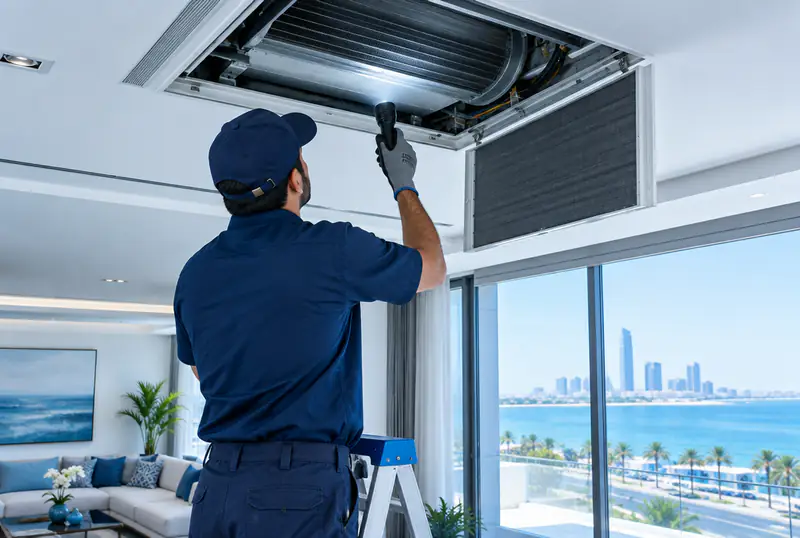
What the service covers
- Access panel check
- Evaporator coil and drain pan
- Drain fall and trap test
- Blower check and airflow balance
- Electrical readings and overflow tray
How we work
How we work
- 1
Locate and access
We check that the access panel is in the right place and large enough for the technician to reach the full unit without damaging the ceiling; if there is no panel, we mark where one should go.
- 2
Internal inspection
Through the access panel the technician inspects the evaporator, blower, drain pan and drain line and records the condition of each, so we know exactly where the fault is before starting work.
- 3
Clean and reset the drain
We clean the evaporator with a suitable cleaner, clean the blower wheel and drain pan, then flush the drain, check the trap and confirm the line falls the right way all the way to the discharge point.
- 4
Run and confirm
We run the unit, measure airflow at each grille and watch the drain pan to confirm no water is collecting, then show you what we found and what we did.
Proper service or wait for damage?
| Alrabih | The usual way | |
|---|---|---|
| Drain pan | Cleaned and fall confirmed | Overflows, ceiling stains |
| Drain trap | Checked and refilled if dry | Dries, air enters line |
| Evaporator coil | Cleaned, cooling maintained | Dust cuts cooling |
| Access panel | Located and easy to reach | Missing or in the wrong place |
| Blower wheel | Cleaned, balance restored | Dirt causes vibration |
Everything your AC needs, from one team
From system design and duct fabrication to installation, commissioning and maintenance.

Split AC installation
Request this serviceDuct installation
Request this serviceCentral AC installation
Request this serviceDuct fabrication
Request this serviceCold room installation
Request this serviceElectro-mechanical works
Request this serviceChiller & AHU installation
Request this serviceHVAC design
Request this serviceAC repair & faults
Request this serviceAC cleaning
Request this serviceRefrigerant charging
Request this serviceCentral AC maintenance
Request this serviceChiller maintenance
Request this serviceAC removal & refitting
Request this serviceDuct cleaning & sanitising
Request this serviceAC servicing by brand
Request this serviceOperation & maintenance contracts
Request this serviceAHU maintenance
Request this serviceFridge & freezer service
Request this serviceCold rooms
Request this serviceDisplay fridges & chillers
Request this serviceFactory HVAC
Request this serviceWarehouse HVAC
Request this serviceVilla & home HVAC
Request this serviceHotel HVAC
Request this serviceSchool HVAC
Request this serviceHospital HVAC
Request this serviceMosque HVAC
Request this serviceMall & retail HVAC
Request this serviceRestaurant & cafe HVAC
Request this service
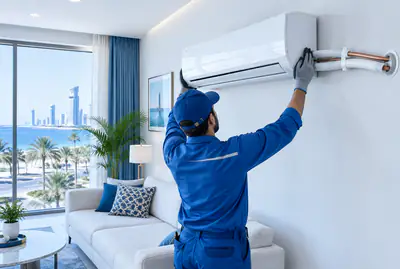
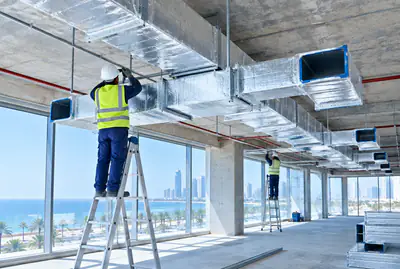

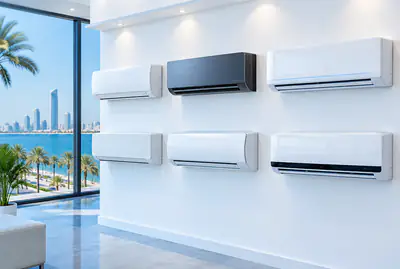
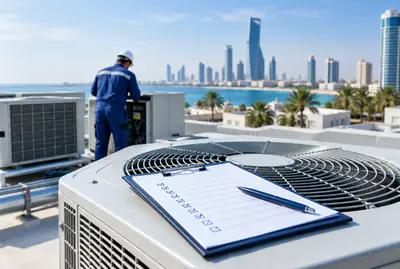
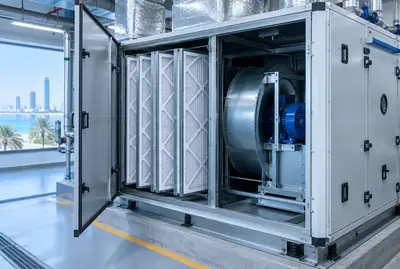
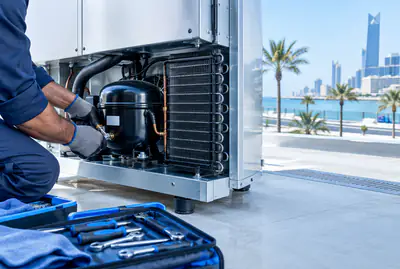








Some of our work
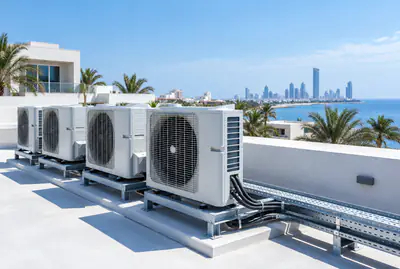
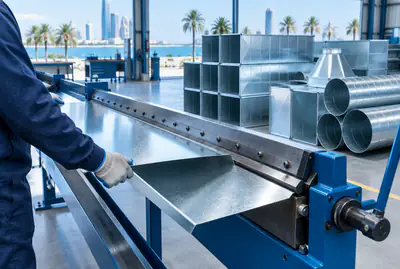
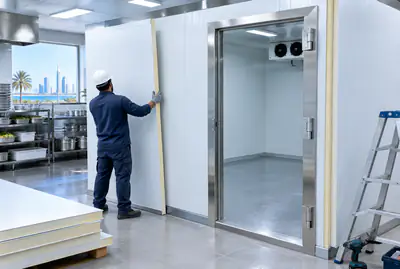
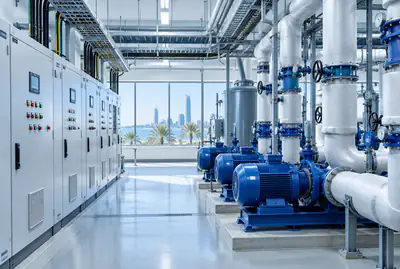
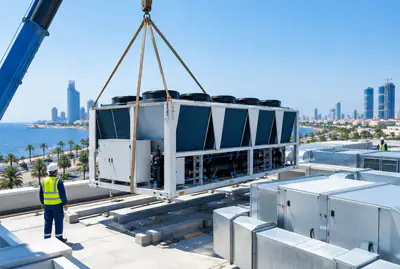
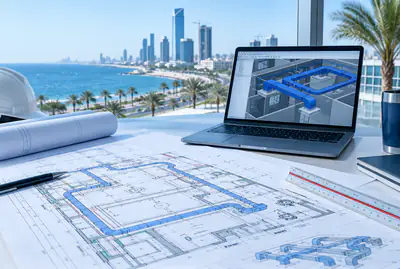
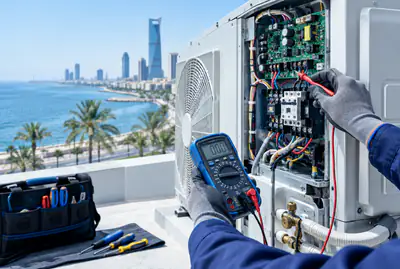
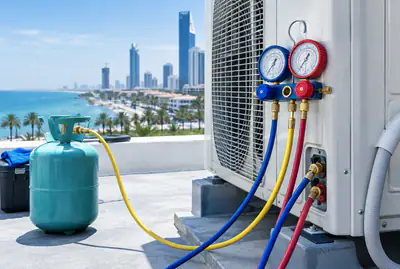
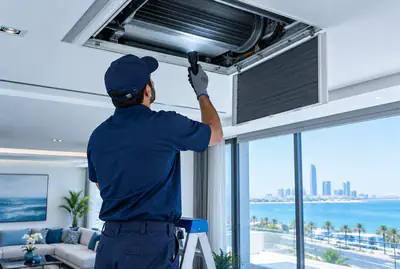
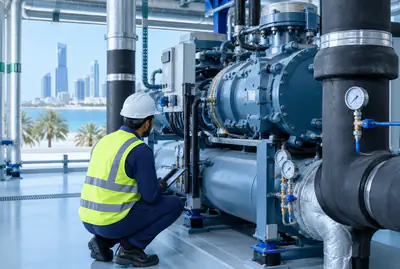
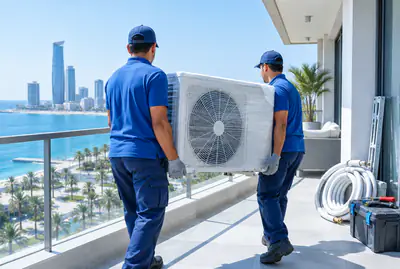
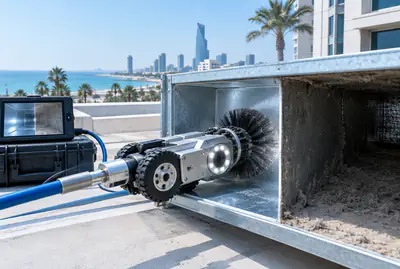
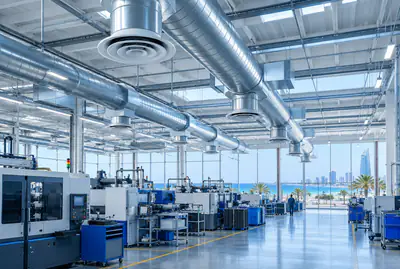
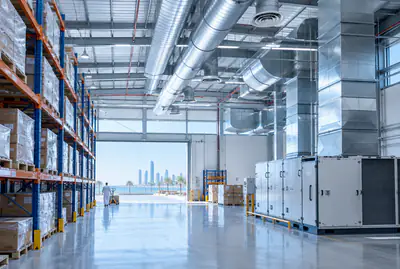
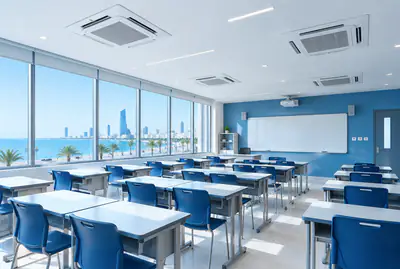
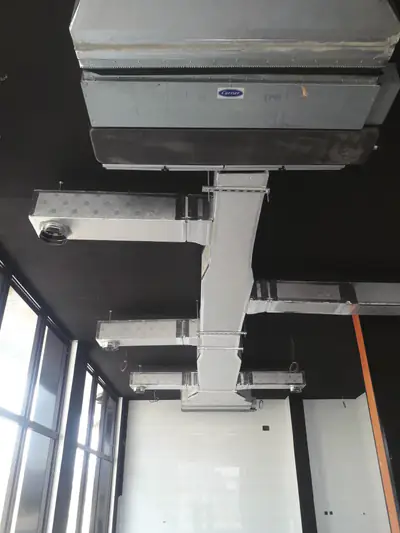
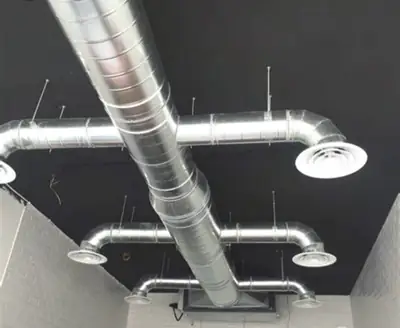
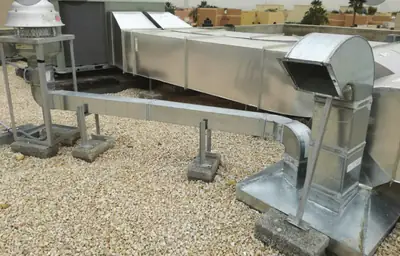
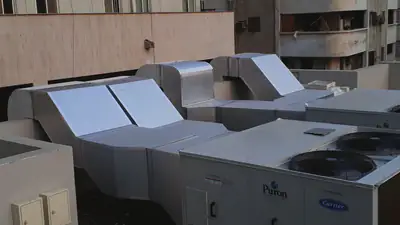
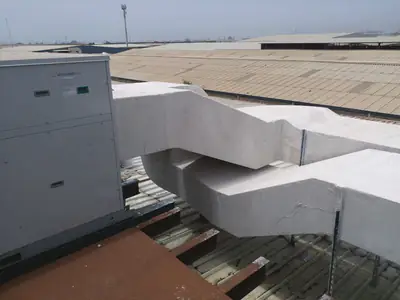
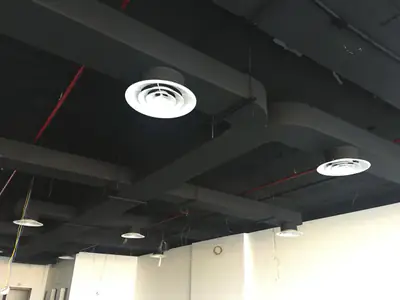
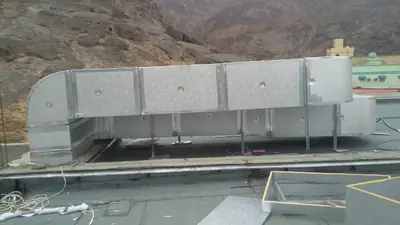
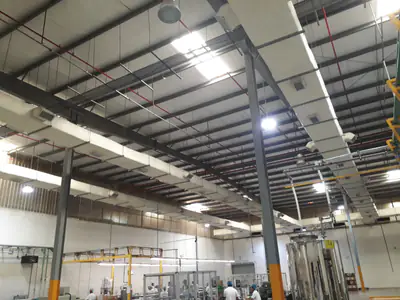
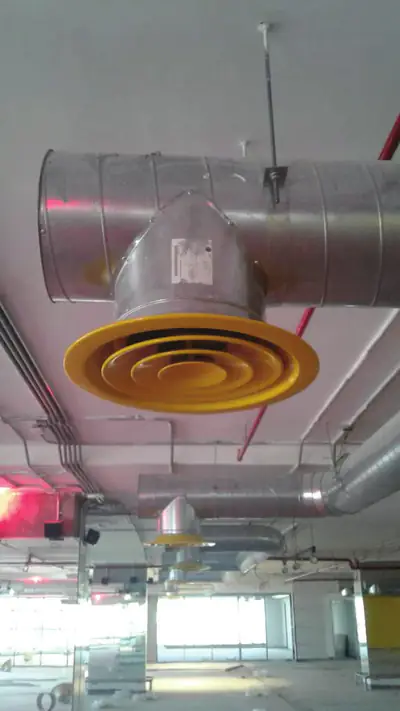
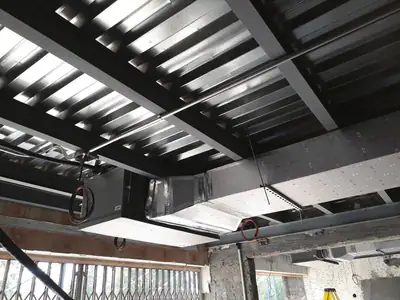
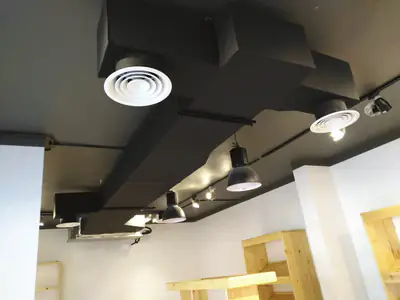
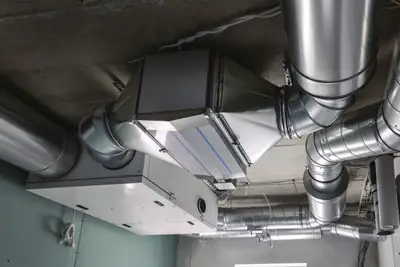
Ductwork, rooftop units and diffusers, from work we've completed in Jeddah.
Customer reviews
What our customers say
- Muhammadramzan 2641
“MashaaAllah. Services are so good. Behaviour and kindness 100/100. Prices are less then Market. Fully recommended”
- shahzeb armani
“Wow. Prices are so comfortable. Outstanding services. People are so talented and nice”
- Tawfik AlyawerLocal Guide
“U can find all u need for air conditioning”
Your satisfaction matters to us! If you had a great experience with us, we'd love a 5-star rating and a kind review.
Worked with us? Leave a reviewService areas
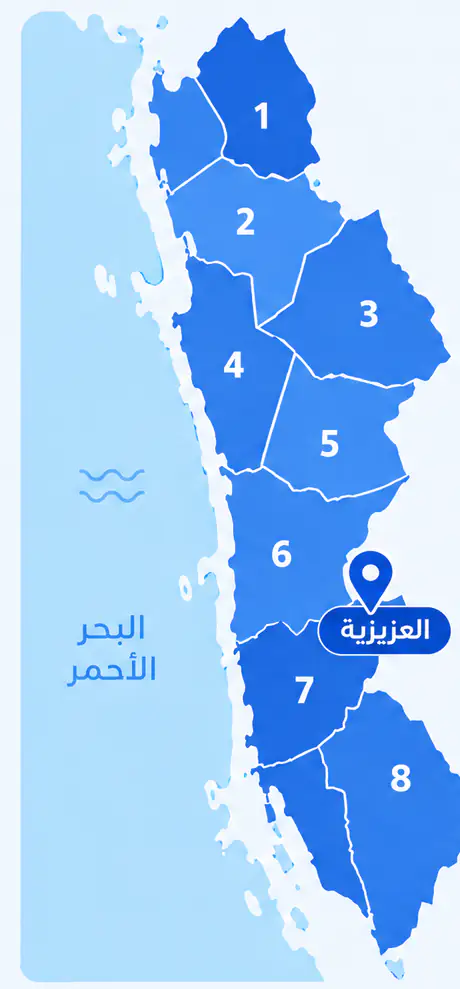
We come to you anywhere in Jeddah
From Al Shiraa and Al Yaqout in the north to Al Thaghr and Al Quraiyat in the south, with our base in Al Aziziyah.
What sets this district apart
Al Marsa is a modern district with uniform architectural character, featuring spacious villas and multi-storey apartment blocks designed with regular geometric layouts and open circulation spaces. This urban pattern suits central AC systems running through the ceilings of most units, and there is usually adequate room to service them through access panels. However, the suspended plasterboard ceilings need care during cleaning to prevent damage, and drainage depends on proper fall from the hidden pipe runs.
Al Marsa lies in south Jeddah, a newly built district of closely spaced villas and residential apartment blocks with regular urban planning.
Most units here have a concealed central AC system in the ceiling, with condensate drainage running through pipes embedded in walls or the ceiling cavity.
The AC setup in Al Marsa
- 1
Central AC concealed in the ceiling cavity
Most villas and apartment blocks in Al Marsa have a hidden evaporator unit in the plasterboard ceiling, with air distribution through uniform grilles and vents.
- 2
Horizontal drainage running through ceiling spaces
Condensate pipes run horizontally through the plasterboard ceiling spaces before exiting the building, and need regular checks for slope and blockage.
- 3
Outdoor unit in the garden or on the balcony
Outdoor units typically sit in the villa's garden or apartment balcony, with neat connections for refrigerant and power lines.
Before the visit
Before our visit in Al Marsa
- 1
Open or tell us the location of the access panel
Point out the ceiling access panel location before the visit, or have it installed if missing, to save time and reach the hidden unit quickly.
- 2
Ensure the outdoor unit in the garden or balcony is accessible
Verify that the team can safely reach the outdoor unit and condenser from the garden or balcony before the visit day.
- 3
Identify where the drain pipes exit
Tell us where the external drain outlet is located, whether on the wall, balcony or in the garden, so we can check for slope and blockage.
More districts for Concealed central AC
Other services in Al Marsa
FAQ
Questions about Concealed central AC
How does the technician reach the unit without breaking the ceiling?
Through the dedicated access panel in the plasterboard. If the panel is there and directly in front of the unit, the technician goes straight in. If it is missing or in the wrong place, we mark the right position and cut it cleanly without touching the rest of the ceiling.
What causes the drain pan to overflow onto the plasterboard?
The two most common causes in Jeddah are a drain line blocked by algae that grow in the high humidity, and a dry trap that lets air in and stops the water moving. Both can be fixed without replacing the unit, provided there is no mechanical damage.
Does Jeddah's humidity affect concealed units more than other types?
Yes, a concealed unit sits in a closed void with little ventilation, so more condensate collects on the drain pan than in an exposed unit. That makes the drain line and trap more likely to block or dry out, and keeping them clear matters more here than for any other unit type.
Can a concealed unit go into a ceiling that does not have enough depth?
The depth needed varies with the unit type and dimensions, and only a site survey decides. If depth is borderline, we check whether the plasterboard ceiling can be dropped slightly in the unit zone. If that is not possible, we suggest a better fit for the room size and ceiling height.
Does the plasterboard ceiling need a minimum void depth to fit both the concealed unit and the drain line?
Yes, the unit body needs a certain height, and on top of that the drain line must slope continuously from the unit to the discharge point. The actual void depth required depends on the unit type, the drain run length and where the discharge is; only a site survey gives the exact answer.
Construction is new here, do I need to clean my concealed central AC?
Yes, even in new buildings dust accumulates in the evaporator coil and drain pan, especially in the first years after construction. Regular maintenance preserves cooling efficiency and prevents moisture and mould.
How do you reach the hidden unit without damaging the plasterboard?
We use the existing ceiling access panel or carefully open a plasterboard section if needed, then close it securely after we finish.
The air from the grilles is weak, could the drain be blocked?
Yes, a clogged drain pan or line blocks airflow and causes yellow stains on the plasterboard. We clean the pan and pipes to restore proper fall and strong airflow.
The hidden pipes in the ceiling, how do we ensure proper drainage?
We clean the drainage outlet from outside and check the pipe fall from inside the ceiling, since insufficient slope causes condensate pooling and water seepage.