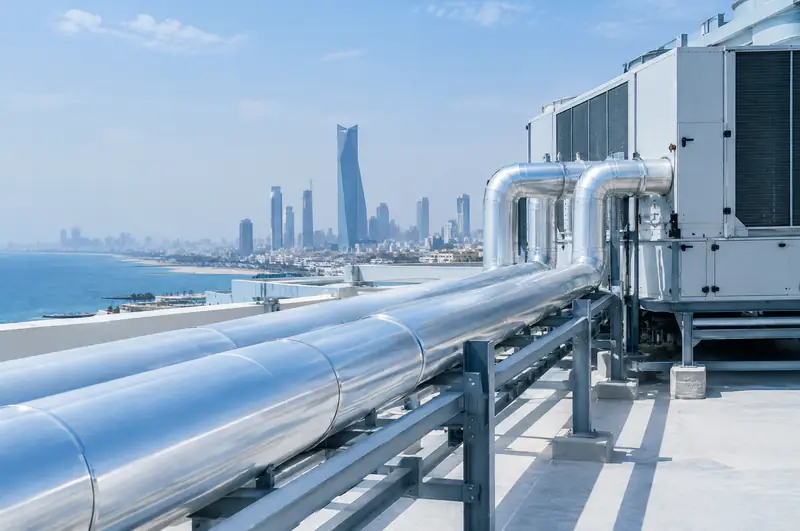

Chiller and AHU installation
Chiller & AHU installation in Umm Hablain Al Sharqiyah
In Umm Hablain Al Sharqiyah, chiller and AHU installation in large factories and warehouses requires tight coordination with industrial operations. Alrabih's team mounts units on robust isolated foundations, tests the full system and confirms performance before production startup.
- Vibration isolation
- Aluminium cladding
- Full commissioning
Clients We're Proud to Serve
Organisations and companies that trusted Alrabih with their projects.



































When you need this installation
- 1
A new commercial or government building
The building is ready but the central cooling plant is not yet installed. You need a team to lift the chiller to the roof, prepare the bases and run chilled water pipework to AHUs on every floor.
- 2
An existing unit vibrates and makes noise
Constant vibration loosens pipe joints and fatigues mechanical components. If the unit is not sitting on proper vibration isolators, that is corrected during reinstallation; the site survey determines which isolator type is needed.
- 3
Extending an existing building
Adding floors or new areas means extra AHUs and extending the chilled water network. We connect the extension to the existing plant after verifying the current chiller capacity, which the site study determines.
Who it's for
Building a hospital or hotel that needs a central cooling plant
We visit the site before the building is complete to plan pipe routes and the plant room, then lift the chiller, mount AHUs on every floor and commission the full system.
Ask on WhatsAppReplaced an old chiller but connections do not match
We survey the new chiller and existing pipework, fabricate any transition pieces needed in our workshop, then reconnect and pressure-test the network before start-up.
Ask on WhatsApp
What the installation covers
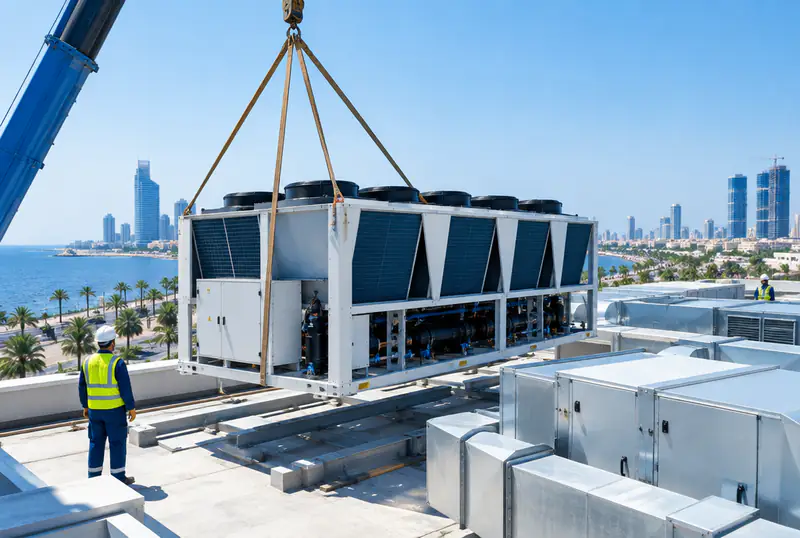
- Chiller lifted onto isolated base
- Chilled pipework run and insulated
- Aluminium cladding of pipework
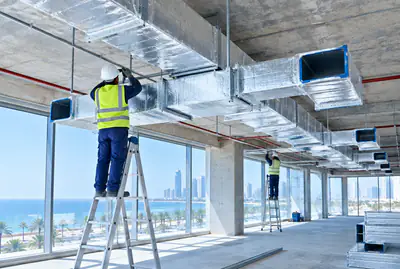
- AHUs mounted and duct-connected
- Pressure test and commissioning
How we work
How we work
- 1
Site survey and design
We visit the site to measure the plant room or roof, check pipe and duct routes, and determine lifting requirements and the right vibration isolator type for the building.
- 2
Base preparation and lifting
We prepare the chiller and AHU bases, fix the vibration isolators, lift the units into final position and check they are level before any connections are made.
- 3
Pipework and ductwork
We run the chilled water pipes, insulate them and clad them in aluminium sheet to resist Jeddah's humid salty air, then connect each AHU to its duct network.
- 4
Pressure test and commissioning
We pressure-test the pipework to confirm there are no leaks, then run the full system, measure air conditions at each AHU and adjust dampers until the required air distribution is achieved.
Considered installation or a rushed one?
| Alrabih | The usual way | |
|---|---|---|
| Chiller base | Isolators matched to the site | Bolted straight to concrete |
| Pipe insulation | Full insulation with aluminium cladding | Partial or left bare |
| Pipe test | Pressure test before start-up | Started without testing |
| Air balancing | Measured and dampers adjusted | Unbalanced airflow |
| Transition pieces | Fabricated in our own workshop | Improvised or ill-fitting |
Everything your AC needs, from one team
From system design and duct fabrication to installation, commissioning and maintenance.

Split AC installation
Request this serviceDuct installation
Request this serviceCentral AC installation
Request this serviceDuct fabrication
Request this serviceCold room installation
Request this serviceElectro-mechanical works
Request this serviceChiller & AHU installation
Request this serviceHVAC design
Request this serviceAC repair & faults
Request this serviceAC cleaning
Request this serviceRefrigerant charging
Request this serviceCentral AC maintenance
Request this serviceChiller maintenance
Request this serviceAC removal & refitting
Request this serviceDuct cleaning & sanitising
Request this serviceAC servicing by brand
Request this serviceOperation & maintenance contracts
Request this serviceAHU maintenance
Request this serviceFridge & freezer service
Request this serviceCold rooms
Request this serviceDisplay fridges & chillers
Request this serviceFactory HVAC
Request this serviceWarehouse HVAC
Request this serviceVilla & home HVAC
Request this serviceHotel HVAC
Request this serviceSchool HVAC
Request this serviceHospital HVAC
Request this serviceMosque HVAC
Request this serviceMall & retail HVAC
Request this serviceRestaurant & cafe HVAC
Request this service








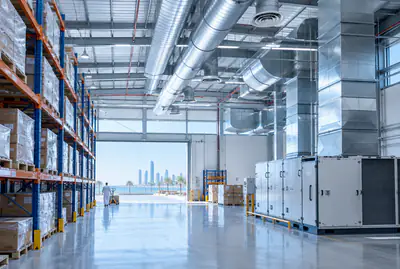







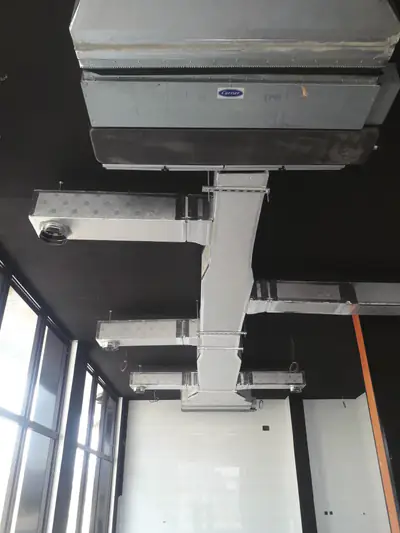
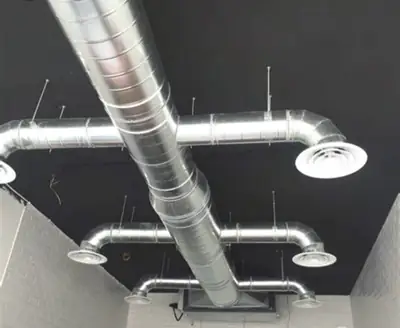
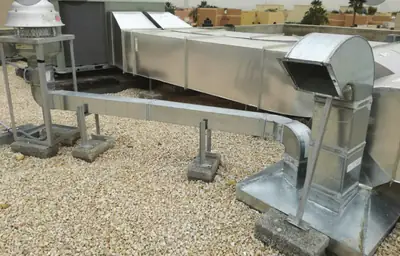
Some of our work
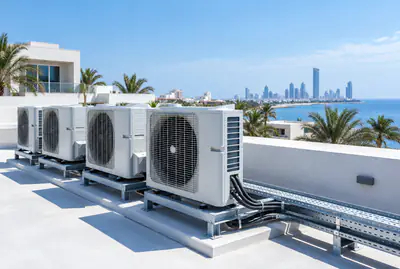
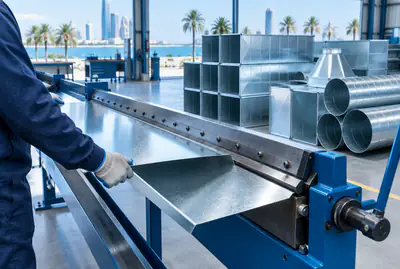
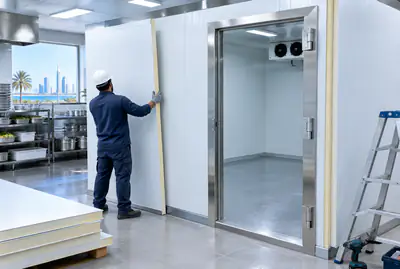
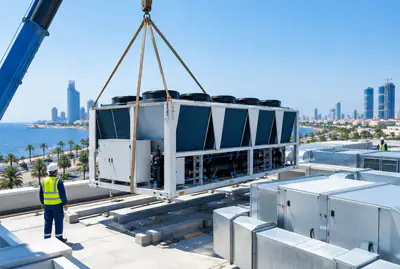
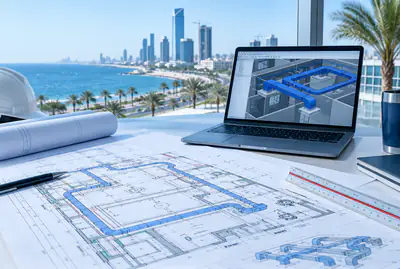
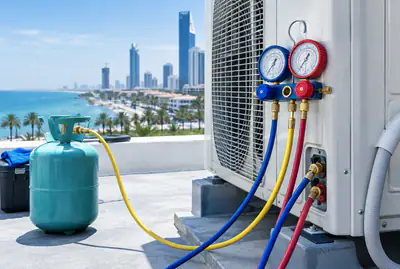
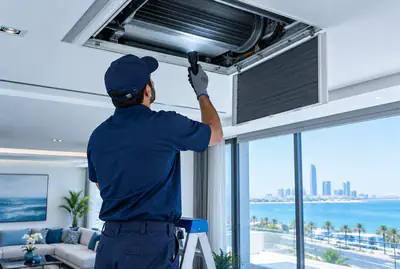
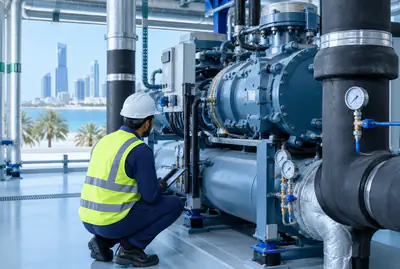
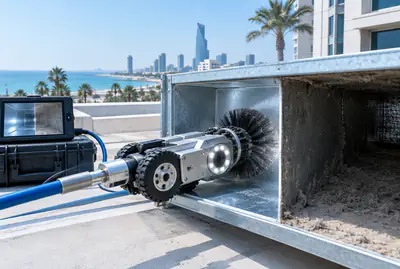
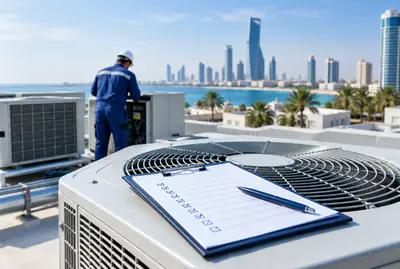
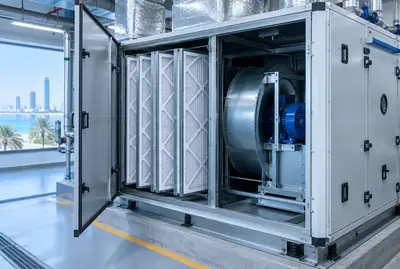
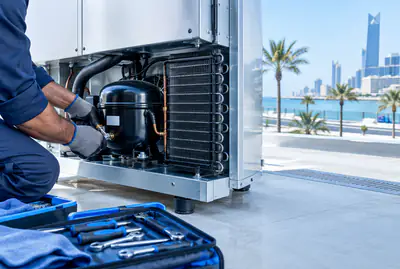
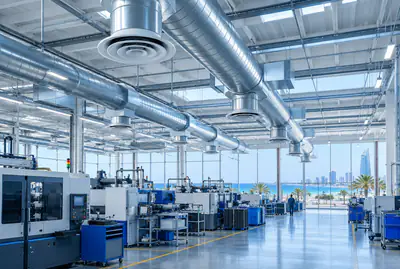
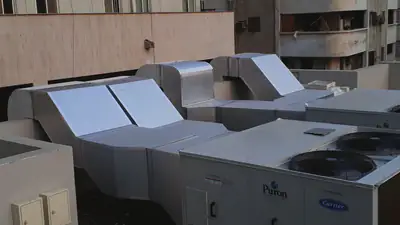
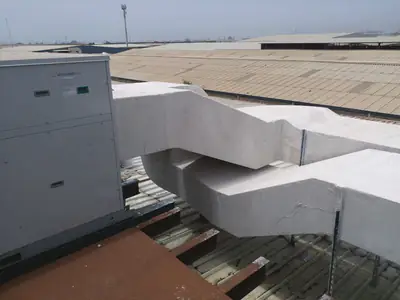
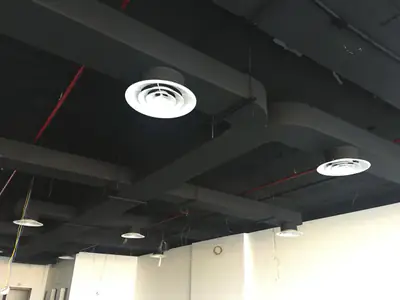
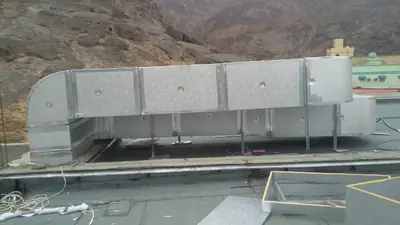
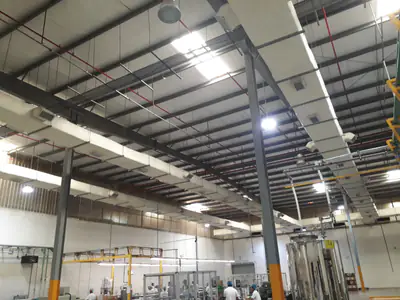
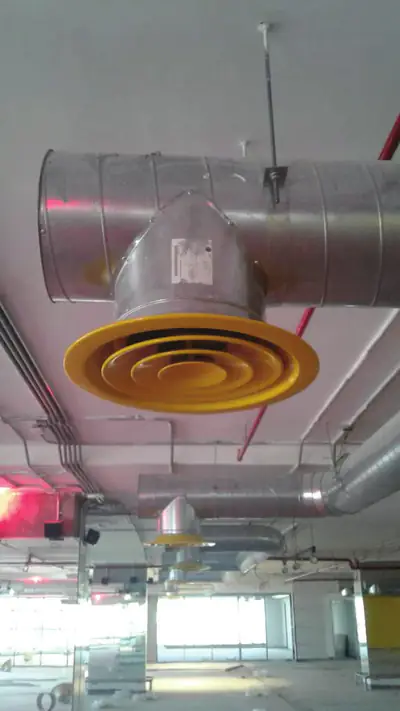
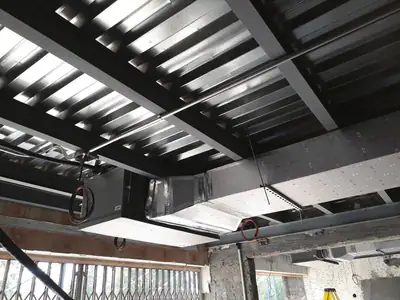
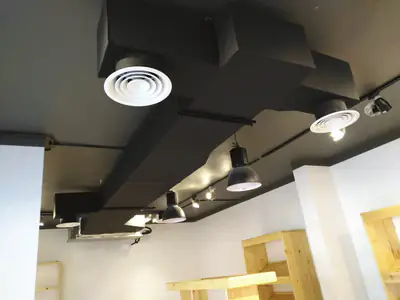
Ductwork, rooftop units and diffusers, from work we've completed in Jeddah.
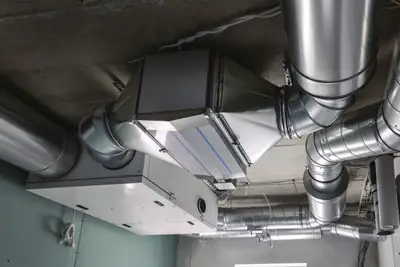
Customer reviews
What our customers say
- Muhammadramzan 2641
“MashaaAllah. Services are so good. Behaviour and kindness 100/100. Prices are less then Market. Fully recommended”
- shahzeb armani
“Wow. Prices are so comfortable. Outstanding services. People are so talented and nice”
- Tawfik AlyawerLocal Guide
“U can find all u need for air conditioning”
Your satisfaction matters to us! If you had a great experience with us, we'd love a 5-star rating and a kind review.
Worked with us? Leave a reviewService areas
We come to you anywhere in Jeddah
From Al Shiraa and Al Yaqout in the north to Al Thaghr and Al Quraiyat in the south, with our base in Al Aziziyah.

What sets this district apart
Umm Hablain Al Sharqiyah is an industrial and commercial zone housing large factories, warehouses and distribution centres with vast spaces and high ceilings. Factories and warehouses need robust cooling systems to control temperature across huge areas, and mounting the chiller on strong foundations with vibration isolation is essential because vibrations can affect sensitive machinery or stored goods. Full pipework insulation ensures chilled energy is not lost over long warehouse runs.
Umm Hablain Al Sharqiyah lies in East Jeddah, a large industrial and storage zone with sprawling factories and warehouses.
Most large factories and warehouses here use very high-capacity chiller systems with large AHUs on roofs or inside buildings.
The AC setup in Umm Hablain Al Sharqiyah
- 1
Very high-capacity chiller with distributed AHUs
Large factories and warehouses in Umm Hablain use very high-capacity chillers with AHUs distributed across different building zones.
- 2
Strong concrete foundations with isolation for heavy chillers
Very large chillers mount on reinforced concrete foundations with vibration isolation pads to protect the factory structure and sensitive machinery.
- 3
Robust insulated pipework over extreme distances
Chilled water lines extend over distances exceeding hundreds of metres inside warehouses, with thick corrosion-resistant aluminium insulation.
Before the visit
Before our visit in Umm Hablain Al Sharqiyah
- 1
Obtain the complete industrial site plan
Get a complete warehouse or factory plan showing roofs, internal spaces and production processes to pinpoint chiller and unit locations precisely.
- 2
Coordinate production downtime during installation
Agree with factory management on installation schedule and any production downtime needed to avoid disrupting ongoing operations.
- 3
Confirm power, water and drainage availability
Verify sufficient high-power electrical capacity for the chiller and units, a clean water source for testing, and safe drainage for excess water during tests.
More districts for Chiller & AHU installation
Other services in Umm Hablain Al Sharqiyah
FAQ
Questions about Chiller & AHU installation
How is the chiller unit lifted to the roof?
The method depends on the chiller weight, the building height and the space available around the site. The survey determines whether a crane or other equipment is used, and we verify that the roof structure can carry the load before setting the unit on its base.
Why do chilled water pipes need aluminium cladding in Jeddah?
Chilled water pipes carry cold water through hot, humid, salty air. Without external protection, insulation deteriorates from moisture and salt and loses effectiveness. Aluminium cladding protects the insulation from outdoor air on rooftops and the humid interior air found in coastal buildings like those in Jeddah.
Can you connect AHUs to an existing duct network?
Yes, if the existing ducts are in good condition and match the new unit's connections. At the survey we check the duct opening sizes, the duct condition and the plenum arrangement, and confirm whether part of the network needs adjustment or transition pieces need to be fabricated in our workshop.
What does system commissioning involve?
After the pipe pressure test we run the chiller and AHUs, measuring air temperature and pressure at each unit's outlets. We adjust dampers and valves to achieve the designed air and water flow to every zone in the building, and record the final readings before handover.
What is the difference between placing the chiller on concrete inertia bases and on rubber anti-vibration mounts?
A concrete inertia base adds mass that dampens the chiller's own vibration and holds the unit steady when the compressor starts. Rubber anti-vibration mounts interrupt the path of vibration before it reaches the roof slab. Whether to use one approach or both depends on the site survey, which takes into account the roof structure, the size of the unit and the building design.
Our warehouse is sensitive to heat and humidity, how does the system maintain precise control?
We select a chiller sized appropriately and distribute AHUs evenly across the warehouse, install temperature and humidity sensors to monitor conditions, and test the system under full load before startup.
Warehouse roofs are large, how do you distribute a massive chiller's weight?
We coordinate with structural engineering to calculate loads, mount the chiller on strong concrete foundations distributing weight evenly, and use heavy-duty vibration isolation pads to protect the building structure.
Industrial zone heat and humidity are high, how do you protect pipework from corrosion?
We use high-grade copper pipework and thick corrosion-resistant aluminium insulation, and inspect drain points and insulation after installation and testing to confirm no moisture ingress.
Sensitive machines in the factory, could chiller vibrations affect them?
Yes, which is why we install the chiller on very robust vibration isolation bases and measure vibration levels before handover to confirm no impact on machinery or production.