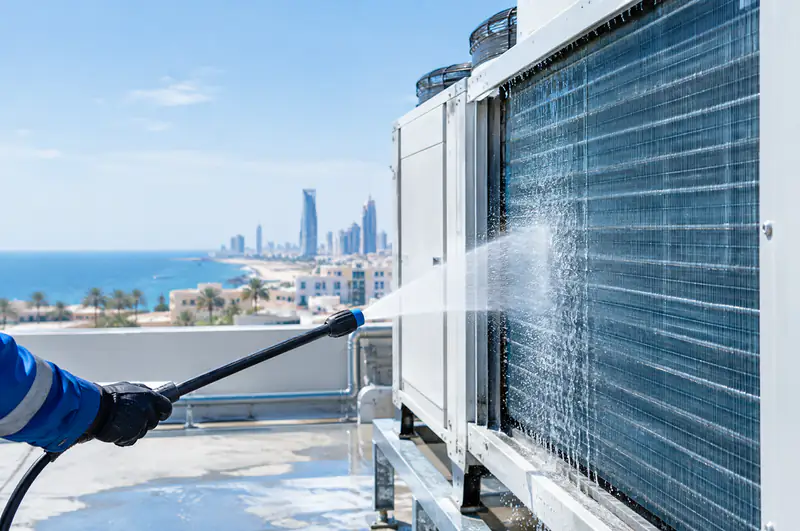

Professional chiller servicing
Chiller maintenance in Al Fadilah
Chiller maintenance in Al Fadilah demands expertise in cooling modern residential buildings, small hospitals and healthcare facilities needing stable, uninterrupted cooling. We inspect the compressor, coils, pressure, flow and controls, and log performance to prevent failure at peak demand.
- Logged pressures
- Clean coils
- Balanced flow
Clients We're Proud to Serve
Organisations and companies that trusted Alrabih with their projects.

































When a chiller needs attention
- 1
Weak cooling across several floors
When users on several floors complain at the same time, the source is usually the chiller, not the terminal units. We measure the supply and return water temperatures and compare them with actual operating conditions to find where cooling is being lost.
- 2
Condenser coils clogged with dust and salt
Jeddah's hot, humid, salt-laden air deposits a crust on condenser coils and slowly raises condensing pressure until the compressor is overloaded. Early inspection and regular cleaning stop the problem reaching that point.
- 3
A chiller alarm or sudden shutdown
A modern chiller shuts itself down on a pressure, temperature or flow fault. We read the fault log in the control unit and trace the root cause, whether it is in the refrigerant circuit, the water pump or a flow sensor.
Who it's for
Running a factory or warehouse with an existing chiller
We inspect the compressor, condenser coils and chilled water flow and record operating readings so a chiller fault does not stop your production line or spoil stored stock.
Ask on WhatsAppManaging a residential tower or multi-floor commercial building
We review operating logs, inspect controls, alarms and pumps, and keep cooling even across every floor throughout peak season.
Ask on WhatsApp
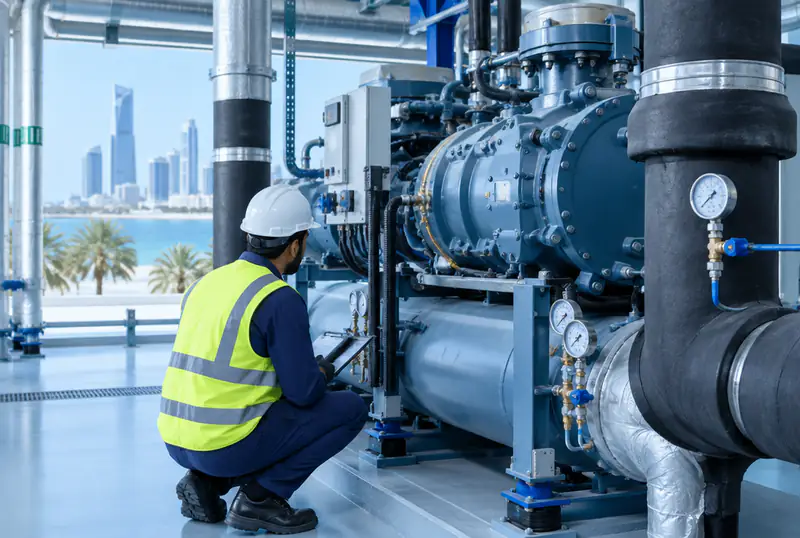
What the service covers
- Compressor check and thermal log
- Condenser coil cleaning
- Refrigerant pressure readings and records
- Chilled water flow and pumps
- Controls alarms and sensors
How we work
How we work
- 1
Review operating logs
We ask for any saved logs or alarms before the visit and note the symptoms you have seen, so the technician arrives knowing exactly what to look for.
- 2
Compressor and circuit check
We measure suction and condensing pressure against the refrigerant type on the unit nameplate, check the compressor thermally and inspect flange joints and heat exchangers.
- 3
Clean coils and check flow
We clean condenser coils of dust and salt deposits, then check chilled water flow through the pipes and verify that the temperature difference between supply and return is within normal range.
- 4
Document and hand over report
We record all readings in an operating report you keep, and we list any immediate recommendations and any points to watch at the next service visit.
Planned servicing or waiting for a breakdown?
| Alrabih | The usual way | |
|---|---|---|
| Condenser coils | Cleaned and inspected | Salt and dust build up |
| Refrigerant pressures | Logged every visit | Only checked at breakdown |
| Chilled water flow | Measured and compared | Assumed to be fine |
| Cooling loss | Caught early | Hits the whole building |
| Fault log | Read and analysed each visit | Ignored until shutdown |
Everything your AC needs, from one team
From system design and duct fabrication to installation, commissioning and maintenance.

Split AC installation
Request this serviceDuct installation
Request this serviceCentral AC installation
Request this serviceDuct fabrication
Request this serviceCold room installation
Request this serviceElectro-mechanical works
Request this serviceChiller & AHU installation
Request this serviceHVAC design
Request this serviceAC repair & faults
Request this serviceAC cleaning
Request this serviceRefrigerant charging
Request this serviceCentral AC maintenance
Request this serviceChiller maintenance
Request this serviceAC removal & refitting
Request this serviceDuct cleaning & sanitising
Request this serviceAC servicing by brand
Request this serviceOperation & maintenance contracts
Request this serviceAHU maintenance
Request this serviceFridge & freezer service
Request this serviceCold rooms
Request this serviceDisplay fridges & chillers
Request this serviceFactory HVAC
Request this serviceWarehouse HVAC
Request this serviceVilla & home HVAC
Request this serviceHotel HVAC
Request this serviceSchool HVAC
Request this serviceHospital HVAC
Request this serviceMosque HVAC
Request this serviceMall & retail HVAC
Request this serviceRestaurant & cafe HVAC
Request this service






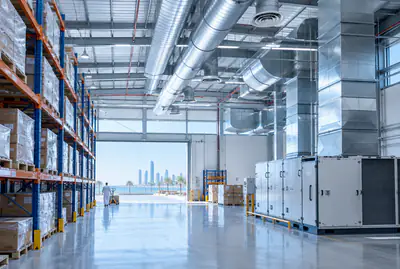







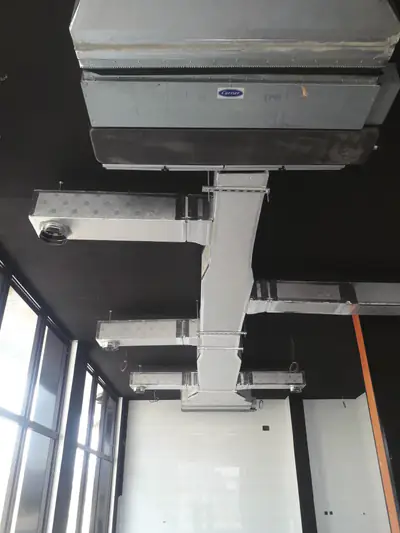
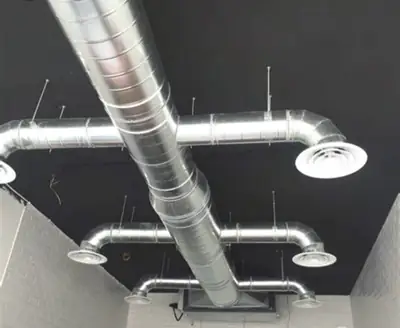
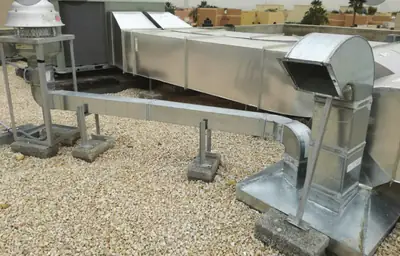
Some of our work
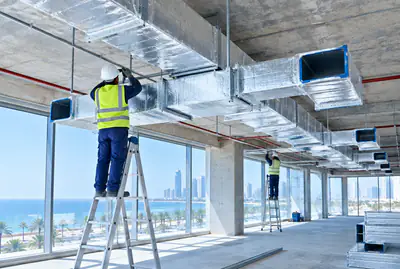
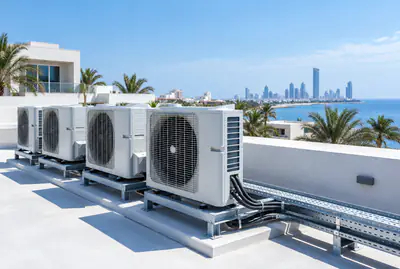
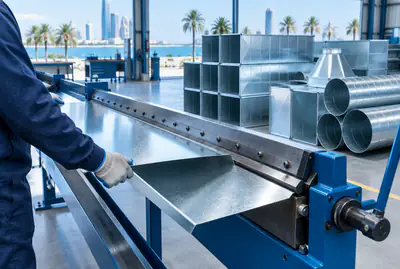
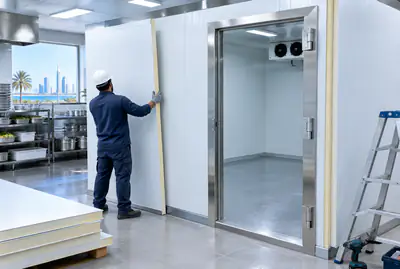
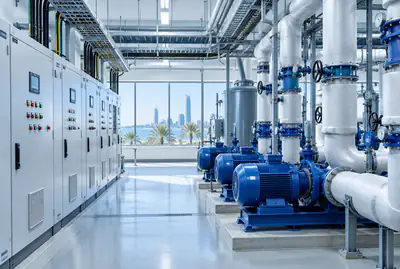
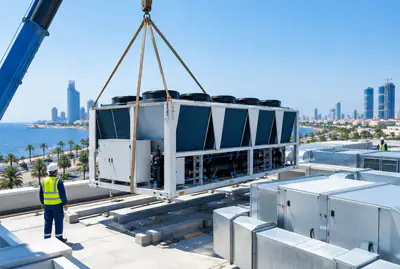
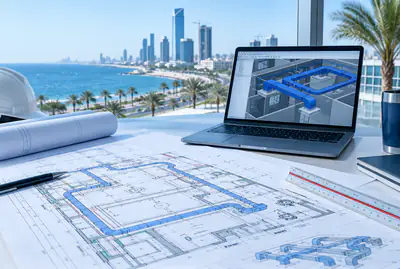
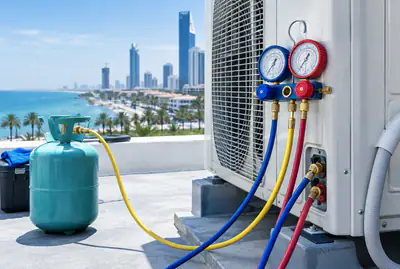
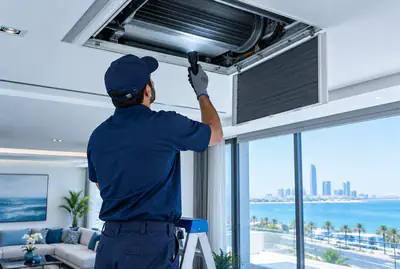
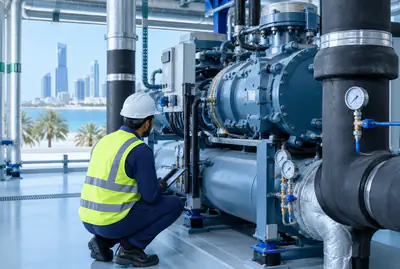
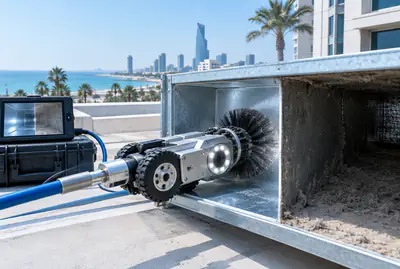
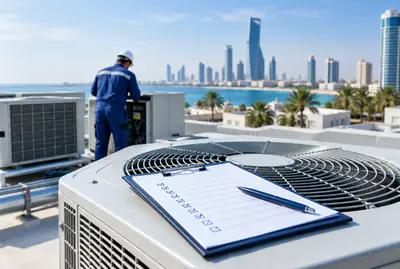
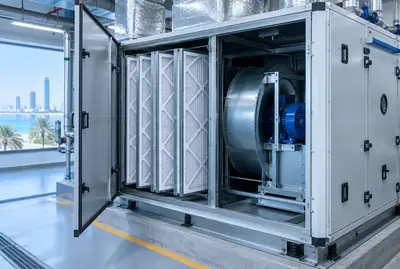
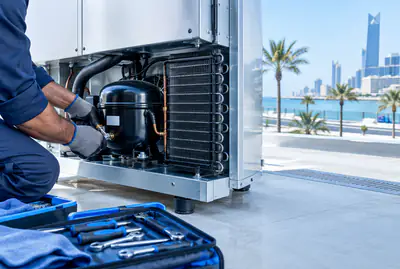
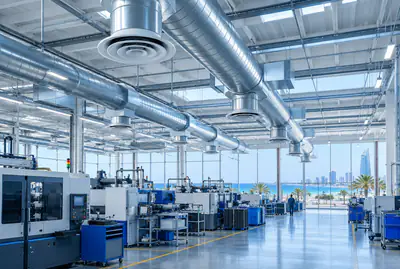
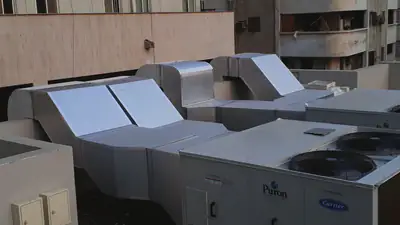
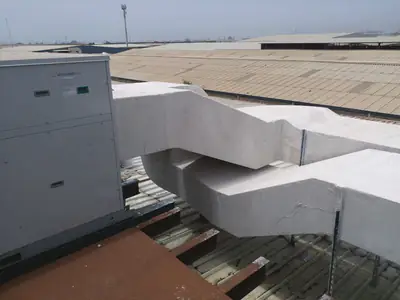
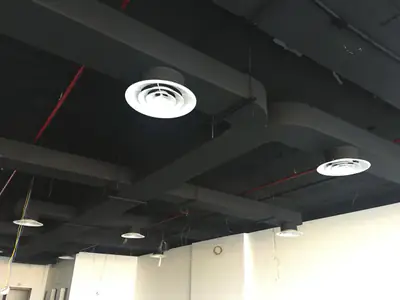
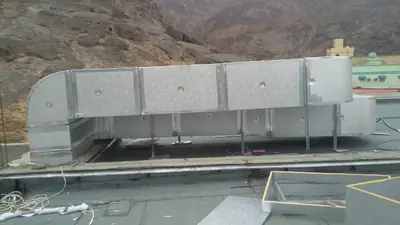
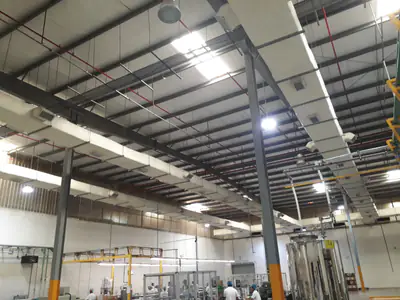
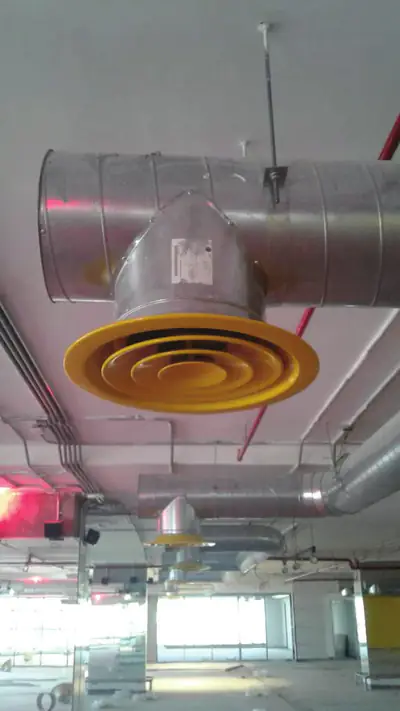
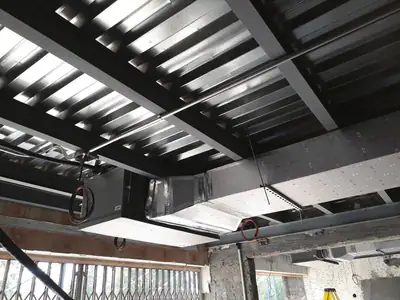
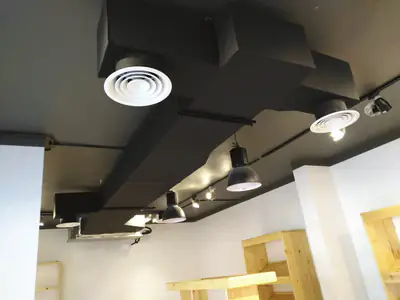
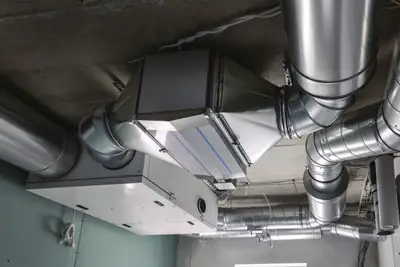
Ductwork, rooftop units and diffusers, from work we've completed in Jeddah.
Customer reviews
What our customers say
- Muhammadramzan 2641
“MashaaAllah. Services are so good. Behaviour and kindness 100/100. Prices are less then Market. Fully recommended”
- shahzeb armani
“Wow. Prices are so comfortable. Outstanding services. People are so talented and nice”
- Tawfik AlyawerLocal Guide
“U can find all u need for air conditioning”
Your satisfaction matters to us! If you had a great experience with us, we'd love a 5-star rating and a kind review.
Worked with us? Leave a reviewService areas
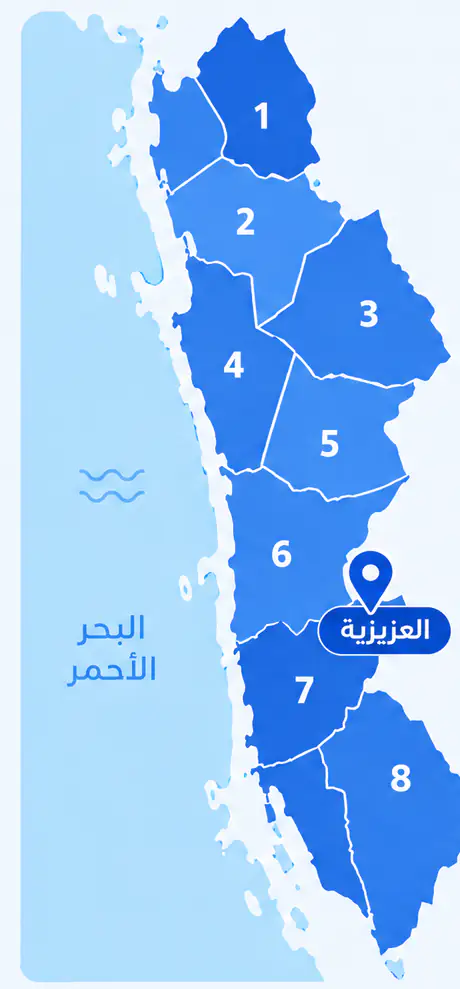
We come to you anywhere in Jeddah
From Al Shiraa and Al Yaqout in the north to Al Thaghr and Al Quraiyat in the south, with our base in Al Aziziyah.
What sets this district apart
Al Fadilah is a relatively modern district in south Jeddah, with contemporary residential blocks, small hospitals and healthcare facilities, most equipped with modern or multiple chillers. Modern buildings usually have advanced control systems and more efficient chilled-water distribution. Hospitals and healthcare centres need stable, uninterrupted performance, so regular maintenance is essential and may need more frequent checks. Jeddah's heat and humidity stress chillers, especially in year-round facilities like hospitals.
Al Fadilah is in south Jeddah, a relatively modern district of contemporary residential blocks, small hospitals and healthcare facilities.
Hospitals and healthcare centres in Al Fadilah usually have one or more chillers with advanced digital controls and often have backup systems to ensure continuous cooling.
The AC setup in Al Fadilah
- 1
Modern chiller with backup system
Hospitals in Al Fadilah typically have a main chiller and sometimes a backup system or second unit to ensure cooling does not stop during emergency maintenance.
- 2
Advanced digital control systems
Most modern buildings and hospitals in Al Fadilah have smart controls with precise sensors, requiring regular calibration and monitoring.
- 3
Efficient chilled-water distribution through insulated pipes
Pipes are well insulated and logically distributed to minimise pressure and heat loss, boosting system efficiency.
Before the visit
Before our visit in Al Fadilah
- 1
Advance coordination with hospital or clinic management
Hospitals have strict schedules. Coordinate in advance to find the best time for maintenance without affecting patients or medical services.
- 2
Have previous documentation and reports ready
Any past checks, maintenance records and system or control information will help our team understand the history and current performance.
- 3
Ensure safe team access to the chiller room
The chiller room in hospitals may be basement-level or restricted. Ensure the team can access it with an engineering or maintenance staff member.
More districts for Chiller maintenance
Other services in Al Fadilah
FAQ
Questions about Chiller maintenance
How do you tell whether the compressor is working properly?
We measure suction and high-side pressure and compare them with expected values for the refrigerant type on the unit nameplate, check the compressor thermally with an infrared camera if needed, and compare current draw with actual load conditions on the day of the visit.
Does Jeddah's climate affect chillers more than other cities?
Yes. Jeddah's humid, salt-laden sea air deposits a layer on outdoor condenser coils faster than in dry inland cities. This raises condensing pressure and makes the compressor work harder, which is why coil inspection and cleaning matter more here than in a dry climate.
Do you repair the chiller on site or does it have to go to a workshop?
Most maintenance and common repairs are done on site: coil cleaning, pressure adjustment, sensor replacement, control circuit repair. Work that requires internal compressor rebuilding is identified after inspection and we explain exactly what it involves.
What goes into the chiller's operating log, and why does it matter?
At every visit we record refrigerant pressures, entering and leaving water temperatures, compressor current and any alarms. Comparing these readings visit by visit shows a slow loss of performance, such as a condenser coil starting to foul or a charge running low, before it turns into a shutdown.
Can the chiller be serviced without cutting cooling to the whole building?
It depends on how many chillers the building has and how the hydronic circuit is designed. With a single chiller, a full inspection needs a brief shutdown agreed with you in advance. Where more than one chiller is installed, we schedule maintenance in sequence so partial cooling stays available. The first visit establishes what is possible.
The hospital needs uninterrupted cooling; how do you ensure that?
We inspect the chiller and system regularly without interrupting service, and monitor performance through regular logs. If you have a backup system, we check both chillers to ensure one is always ready.
Modern control systems are complex; how do you work with them?
Our team is trained on modern digital systems. We inspect sensors, calibration and programming, and verify that readings are accurate and performance matches design.
The hospital is in a hot location; how does that affect the chiller?
High heat increases pressure on the condenser and compressor. We regularly check pressure and flow and ensure the condenser is clean and fans work efficiently.
How often should the hospital chiller be checked?
For hospitals and healthcare facilities, we recommend monthly or bi-monthly checks at minimum, instead of six-monthly for residential buildings, to prevent sudden failures.