
Cooling fit for a mosque
Mosque HVAC in Al Qaws
Mosque cooling in Al Qaws, east Jeddah, must handle very high eastern heat and fine desert dust, distributing cold air evenly across the hall and prayer areas without sound disturbance. Alrabih designs for tall domes and high ceilings with effective dust protection.
- Even distribution
- Quiet units
- Scheduled servicing
Clients We're Proud to Serve
Organisations and companies that trusted Alrabih with their projects.


































When a mosque needs a specialist approach
- 1
Heat reaching the back rows
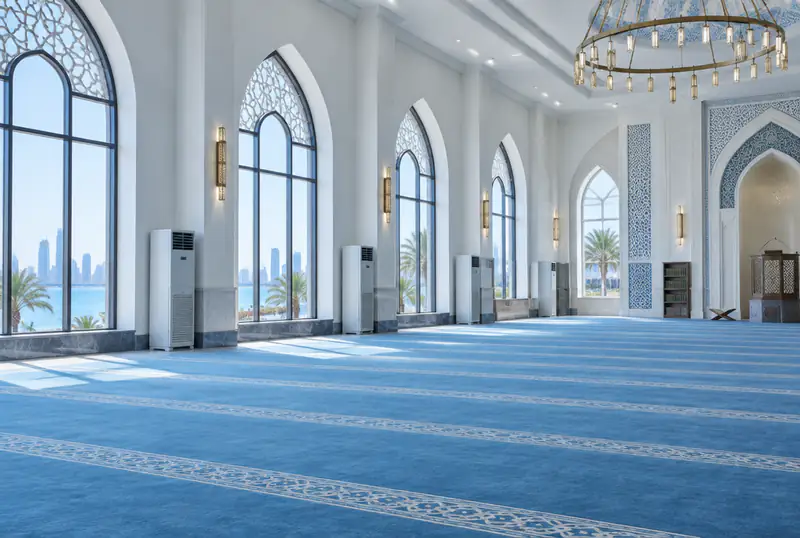
Cold air pools near the units and never reaches the back of the hall. In Jeddah's humidity, worshippers in the far rows feel the heat even with the system running. That is a design problem, not a unit fault.
- 2
Noise that disturbs prayer
Unit noise in a quiet hall distracts worshippers and breaks concentration. The right unit type, its position and the air velocity setting all reduce noise to the lowest possible level, and those choices are made at the survey.
- 3
A dome or high ceiling that traps heat
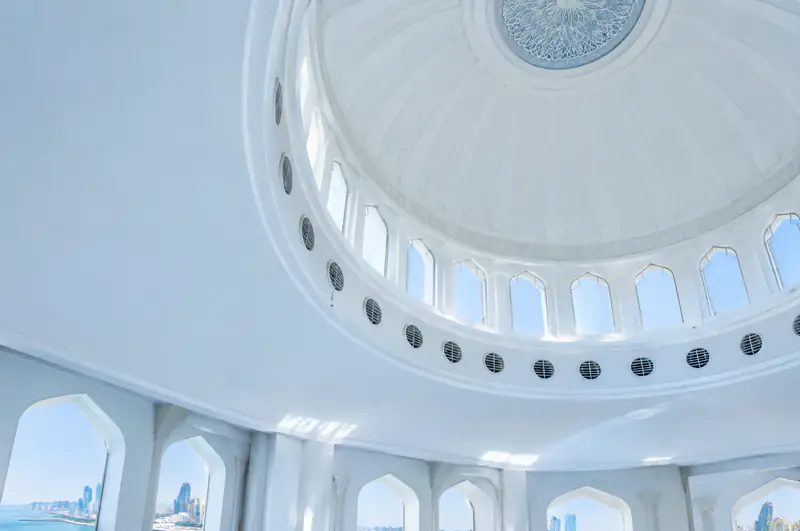
Hot air rises and collects under the dome, so the breathing level stays warm even with large units running. We set diffuser angles and air paths at the survey to push that hot layer out rather than cool over the top of it.
Who it's for
Building a new mosque that needs AC from the start
We join the design stage to fix duct routes and unit positions before ceilings are closed, so the installation is clean and efficient with no remedial work needed later.
Ask on WhatsAppYour existing mosque cools unevenly across the rows
We survey the existing system, find the cause of uneven distribution and propose changes to the airflow paths or units without disrupting the mosque.
Ask on WhatsApp
What the work covers
- Hall survey and airflow mapping
- Ductwork to SMACNA standard
- Units fitted at surveyed positions
- Airflow check across the rows
- Contracts scheduled between prayers
How we work
How we work
- 1
Mosque survey
We visit the mosque outside prayer times to measure the hall, ceiling height and dome, and agree diffuser positions, duct routes and unit locations before any work begins.
- 2
Design and fabrication
We design the system from the survey data and fabricate the ducts in our own workshop from G90 galvanised sheet, then prepare them for installation.
- 3
Installation at agreed times
We coordinate with mosque management to work between prayers or at times that do not interrupt activities, and we leave the hall clean at the end of each working day.
- 4
Testing and handover
We run the system and measure air distribution at the front and back rows and sound levels, adjusting the balance until comfort is even across the whole hall.
Designed for a mosque or units placed at random?
| Alrabih | The usual way | |
|---|---|---|
| Air distribution | Even across every row | Cold front, hot back |
| Sound | Assessed at survey | Not considered |
| Dome and high ceiling | Planned airflow paths | Hot layer left above |
| Maintenance | Scheduled between prayers | Visits that disrupt use |
| Startup scheduling | Programmed before each prayer | Manual, inconsistent start |
Everything your AC needs, from one team
From system design and duct fabrication to installation, commissioning and maintenance.

Split AC installation
Request this serviceDuct installation
Request this serviceCentral AC installation
Request this serviceDuct fabrication
Request this serviceCold room installation
Request this serviceElectro-mechanical works
Request this serviceChiller & AHU installation
Request this serviceHVAC design
Request this serviceAC repair & faults
Request this serviceAC cleaning
Request this serviceRefrigerant charging
Request this serviceCentral AC maintenance
Request this serviceChiller maintenance
Request this serviceAC removal & refitting
Request this serviceDuct cleaning & sanitising
Request this serviceAC servicing by brand
Request this serviceOperation & maintenance contracts
Request this serviceAHU maintenance
Request this serviceFridge & freezer service
Request this serviceCold rooms
Request this serviceDisplay fridges & chillers
Request this serviceFactory HVAC
Request this serviceWarehouse HVAC
Request this serviceVilla & home HVAC
Request this serviceHotel HVAC
Request this serviceSchool HVAC
Request this serviceHospital HVAC
Request this serviceMosque HVAC
Request this serviceMall & retail HVAC
Request this serviceRestaurant & cafe HVAC
Request this service











Some of our work
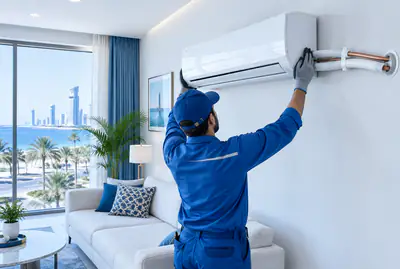
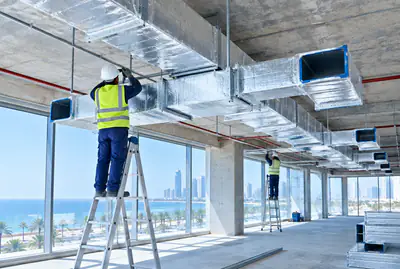
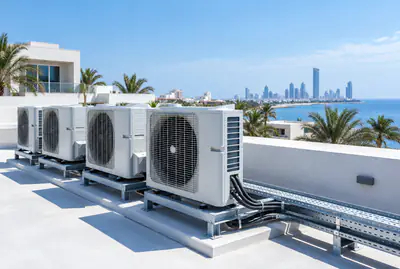
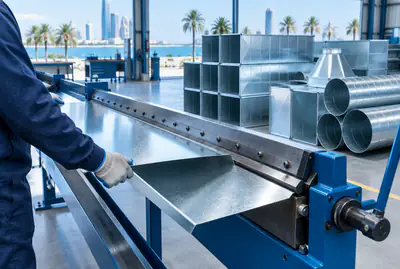
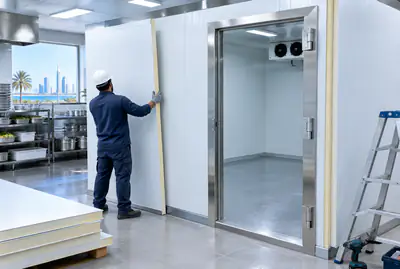
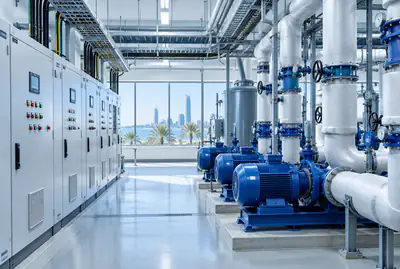
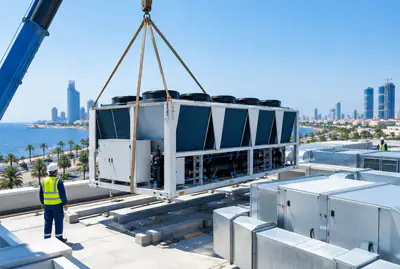
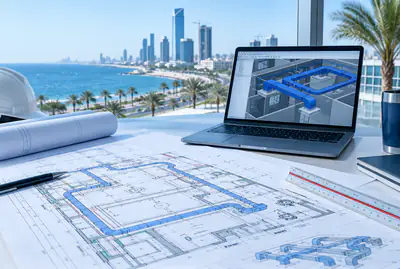
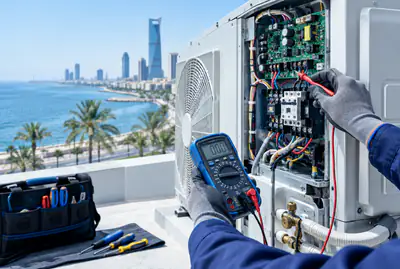
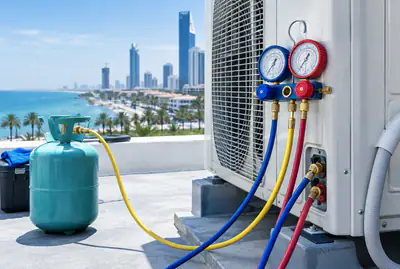
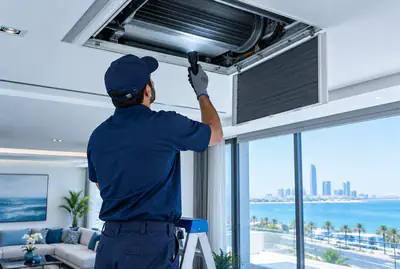
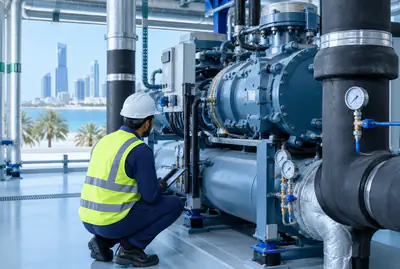
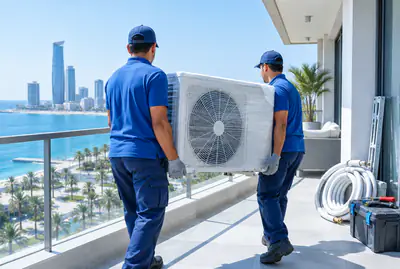
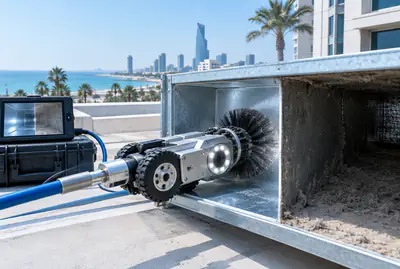
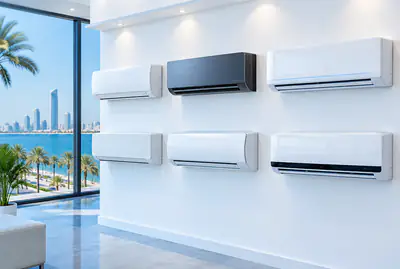
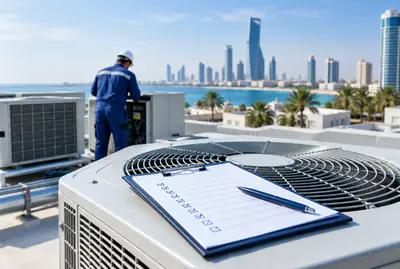
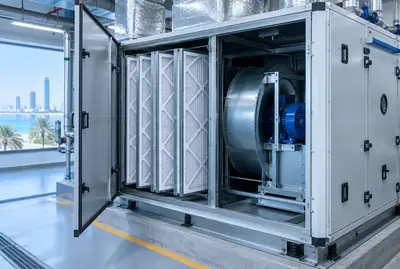
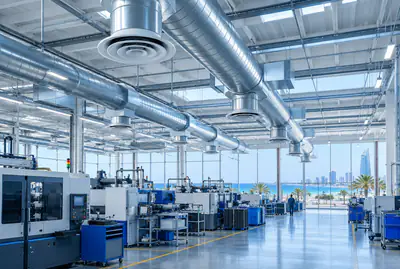
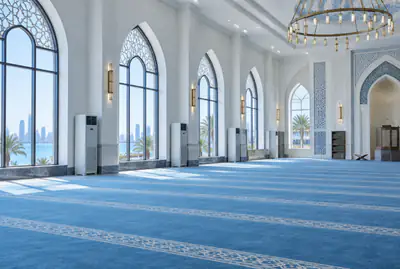
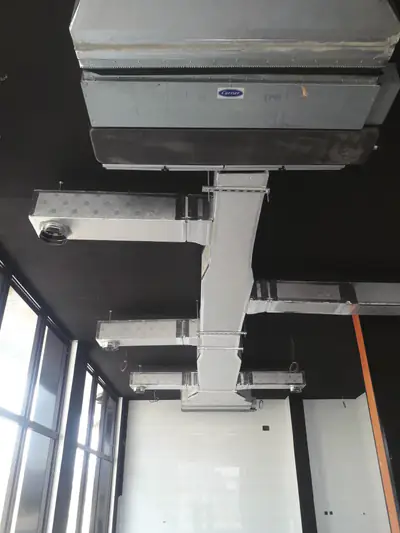
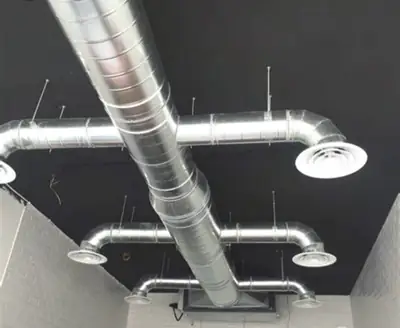
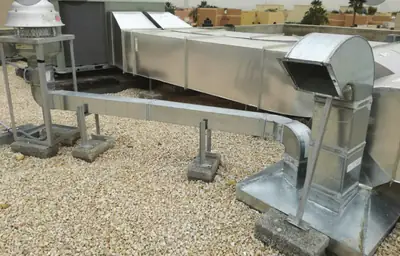
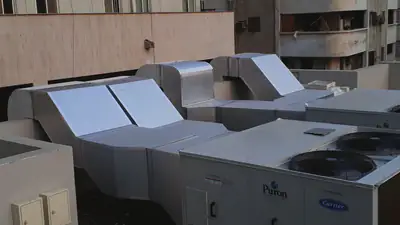
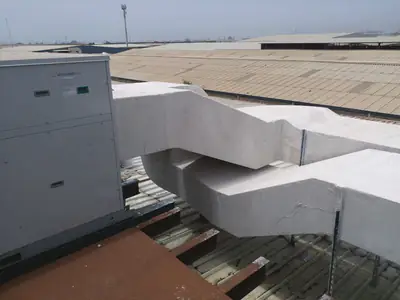
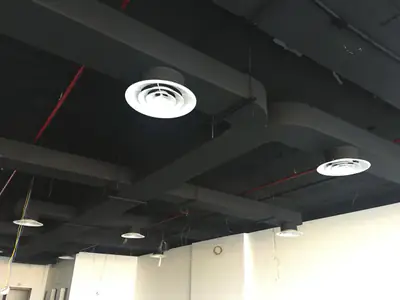
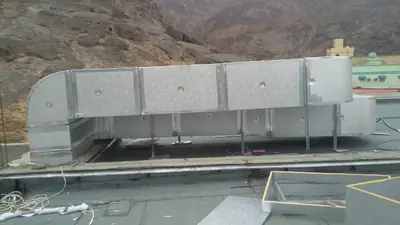
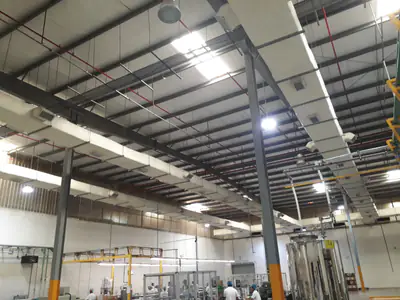
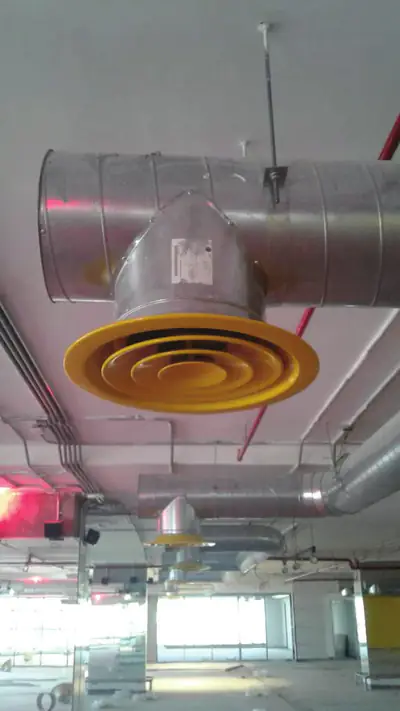
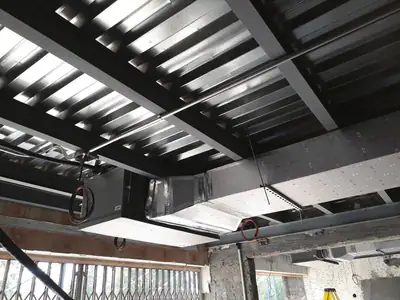
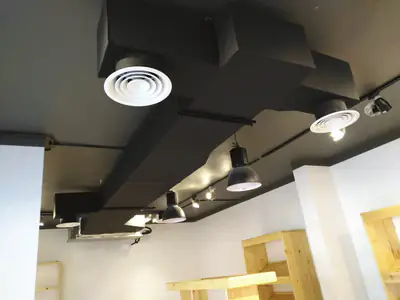
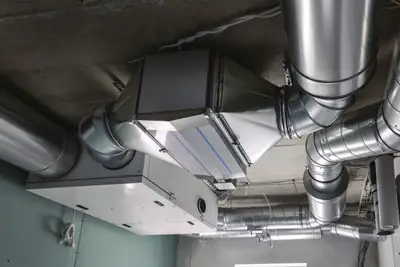
Ductwork, rooftop units and diffusers, from work we've completed in Jeddah.
Customer reviews
What our customers say
- Muhammadramzan 2641
“MashaaAllah. Services are so good. Behaviour and kindness 100/100. Prices are less then Market. Fully recommended”
- shahzeb armani
“Wow. Prices are so comfortable. Outstanding services. People are so talented and nice”
- Tawfik AlyawerLocal Guide
“U can find all u need for air conditioning”
Your satisfaction matters to us! If you had a great experience with us, we'd love a 5-star rating and a kind review.
Worked with us? Leave a reviewService areas
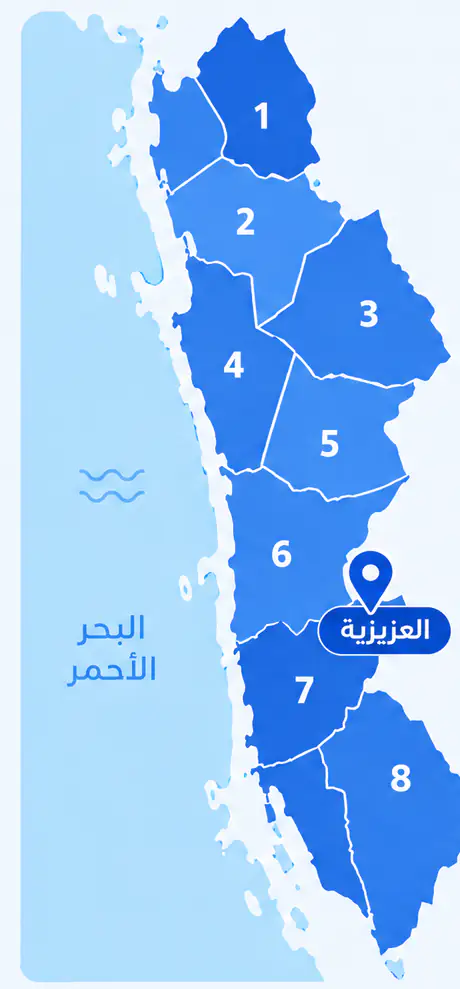
We come to you anywhere in Jeddah
From Al Shiraa and Al Yaqout in the north to Al Thaghr and Al Quraiyat in the south, with our base in Al Aziziyah.
What sets this district apart
Al Qaws is an eastern residential district with modern mosques featuring spacious halls and tall domes, positioned far enough east to experience very intense heat and heavy desert dust most of the year. The high ceilings and large domes demand a very powerful central system with high cooling capacity. Fine dust and strong eastern winds increase the importance of advanced filtration and intensive maintenance, whilst energy efficiency must be balanced with the high performance required.
Al Qaws lies in the far eastern reaches of east Jeddah, with contemporary mosques and very tall ceilings, in the hottest and dustiest zone.
Modern Al Qaws mosques need very powerful central units and multi-stage filtration because of intense eastern heat and heavy dust.
The AC setup in Al Qaws
- 1
Ultra-high-capacity central system with HEPA filtration
Extreme heat and heavy dust require a very powerful system with high-grade filters for reliable performance.
- 2
Protected and elevated outdoor units
Outdoor units are positioned high and sheltered from direct eastern winds and dust exposure as much as possible.
- 3
Fans and coils engineered for intensive cleaning
All internal components are designed for quick, frequent access and cleaning without complex dismantling or extended downtime.
Before the visit
Before our visit in Al Qaws
- 1
Coordinate maintenance timing well in advance
We agree on a regular maintenance schedule with the mosque, respecting prayer times and religious activities.
- 2
Provide detailed specifications of hall and dome design
We need detailed drawings or exact measurements to calculate total volume and required capacity, especially dome height and design.
- 3
Identify outdoor unit locations and available shelter
We assess rooftop space, protection from eastern winds and accessibility for frequent, efficient maintenance visits.
More districts for Mosque HVAC
Other services in Al Qaws
FAQ
Questions about Mosque HVAC
How do you make sure the far rows get enough cooling?
At the survey we set diffuser angles, air velocity and duct routing so cold air travels to the last row. After installation we measure the temperature difference between the front and back rows and adjust each diffuser's balance until that difference is as small as the space allows.
Can you work in a functioning mosque without disrupting prayers?
Yes. We agree a phased schedule with mosque management in advance and divide the work into sessions between prayers. Before each call to prayer we lift tools, cover any temporary openings and return the hall to a usable state, then resume afterwards.
What type of ductwork do you use in prayer halls?
We fabricate ducts in our own workshop from G90 galvanised sheet, round or rectangular as the design requires. We use Armaflex and Kimmco insulation and Foster sealants to limit heat gain and keep sound transmission through the ductwork as low as possible.
Can the system be set to start just before each prayer time?
Yes. The controls on Carrier, YORK, General, Midea, Gree and Smart Gold units support scheduled start and stop times. At the survey we confirm the scheduling options for the chosen units and programme the timings at handover, so the hall is already cool when worshippers arrive.
Can we cool only part of the hall when fewer people attend?
Yes, if the system is designed in zones. We divide the hall into sections, each with its own unit or closable outlets, so you run the front rows alone when few people attend and the whole hall for Friday prayer and occasions, cutting power use without affecting worshippers.
Does Al Qaws's extreme eastern heat require higher cooling capacity than other mosques?
Yes, we recommend higher cooling capacity than standard calculations to ensure cold even at peak heat and high summer electricity loads.
Does heavy dust in Al Qaws need special filters?
Yes, we use multi-stage filters (HEPA or equivalent) and recommend cleaning every month or two depending on dust conditions.
Do strong eastern winds affect system performance?
Yes, they increase strain on coils and filters and may reduce outdoor unit efficiency, so we choose sheltered locations and recommend frequent maintenance.
How often do filters need replacing yearly in such a dusty environment?
Main filters may need replacement every six weeks, secondary stages every three months, depending on dust density and usage.