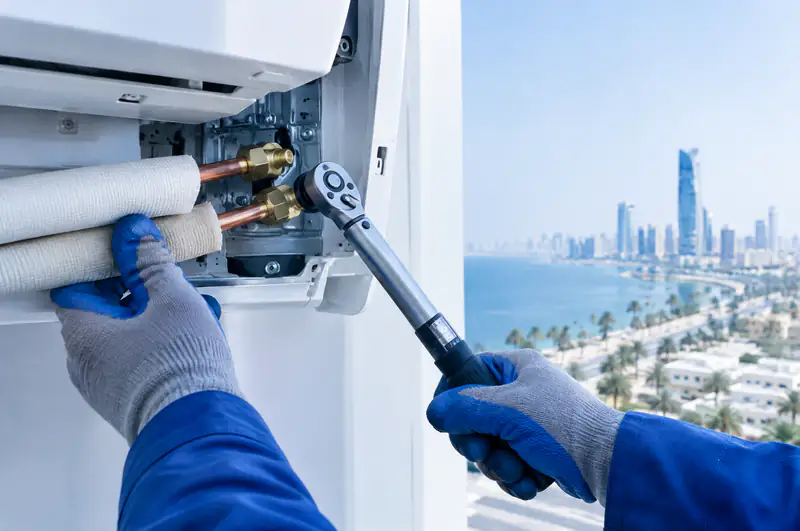

Charged right, not just topped up
Split AC refrigerant charging in Old Airport
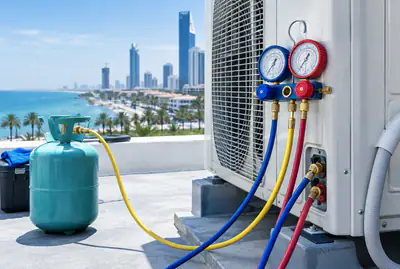
In Old Airport, central Jeddah, split units in villas and shops suffer rapid refrigerant loss through leaks in the copper lines under heavy load. Alrabih locates the leak with detection equipment, repairs it, then vacuums and charges with the correct refrigerant.
- Leak found first
- Vacuum and test
- Correct charge
Clients We're Proud to Serve
Organisations and companies that trusted Alrabih with their projects.



































When your split needs a refrigerant charge
- 1
Weak cooling with a clean filter
If the filter is clean and the compressor is running but the air from the indoor unit is barely cool, the cause is usually low refrigerant from a leak at the flare joints or the outdoor service valves.
- 2
Frost on the pipes or unusual water drips
Frost on the large pipe at the indoor unit, or water dripping from the unit in an unusual way, means refrigerant pressure has dropped below the range set by the manufacturer. The inspection finds the leak before any charging begins.
- 3
A split that was moved and refitted
When a split is removed for painting, renovation or a room move, the flare joints are disconnected and remade. These joints are the most likely source of a leak after refitting, and the system needs a careful check, a vacuum and a fresh charge.
Who it's for
Your bedroom split cools only at night
We find and fix the leak at the flare joints, then vacuum and charge to the nameplate refrigerant type.
Ask on WhatsAppYour split was removed for renovation and refitted
We inspect every remade flare joint, vacuum the full line, then charge and confirm cooling has returned.
Ask on WhatsApp
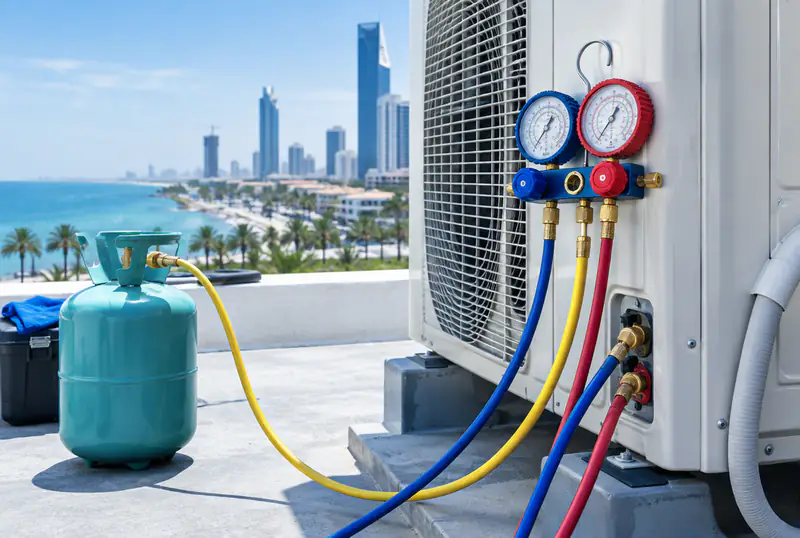
What the job covers
- Check flare joints and valves
- Repair or remake flare
- Vacuum line and pressure test
- Charge to nameplate refrigerant type
- Run unit confirm cooling
How we work
How we work
- 1
Describe the fault
Tell us on WhatsApp what is happening and send a photo of the outdoor unit nameplate so we know the refrigerant type before we arrive.
- 2
Inspect and find the leak
The technician checks the flare joints at the indoor unit and the service valves at the outdoor unit and locates the leak before taking any further step.
- 3
Repair and vacuum
We tighten or remake the flare joint as its condition requires, then vacuum the line and watch the pressure hold to confirm the line is tight.
- 4
Charge and run
We charge with the nameplate type at the amount the inspection determines, then run the unit and confirm that cooling has returned to the normal level.
Fix the leak first or just top it up?
| Alrabih | The usual way | |
|---|---|---|
| The leak | Found and fixed first | Ignored, charged over it |
| Flare joint | Checked, remade if needed | Not checked |
| Vacuum | Before every charge | Often skipped |
| Refrigerant type | Nameplate only | Whatever is available |
| Line moisture | Removed by vacuum | Left inside the line |
Everything your AC needs, from one team
From system design and duct fabrication to installation, commissioning and maintenance.

Split AC installation
Request this serviceDuct installation
Request this serviceCentral AC installation
Request this serviceDuct fabrication
Request this serviceCold room installation
Request this serviceElectro-mechanical works
Request this serviceChiller & AHU installation
Request this serviceHVAC design
Request this serviceAC repair & faults
Request this serviceAC cleaning
Request this serviceRefrigerant charging
Request this serviceCentral AC maintenance
Request this serviceChiller maintenance
Request this serviceAC removal & refitting
Request this serviceDuct cleaning & sanitising
Request this serviceAC servicing by brand
Request this serviceOperation & maintenance contracts
Request this serviceAHU maintenance
Request this serviceFridge & freezer service
Request this serviceCold rooms
Request this serviceDisplay fridges & chillers
Request this serviceFactory HVAC
Request this serviceWarehouse HVAC
Request this serviceVilla & home HVAC
Request this serviceHotel HVAC
Request this serviceSchool HVAC
Request this serviceHospital HVAC
Request this serviceMosque HVAC
Request this serviceMall & retail HVAC
Request this serviceRestaurant & cafe HVAC
Request this service
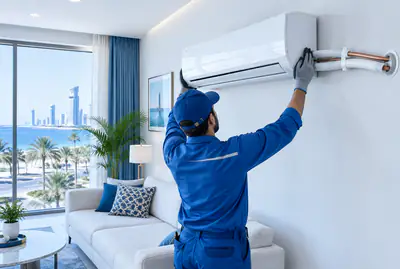
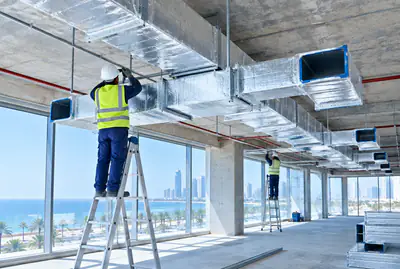

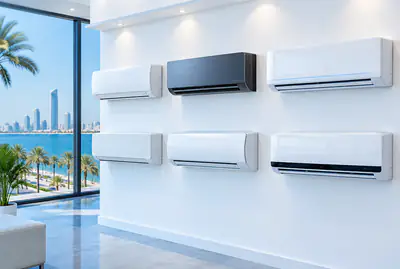
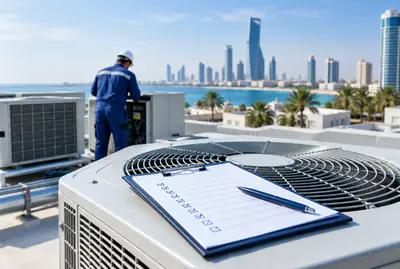
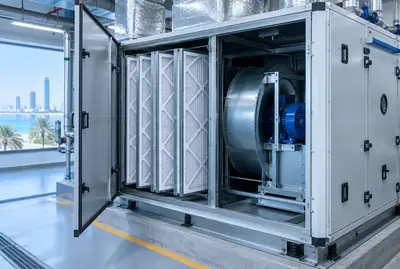
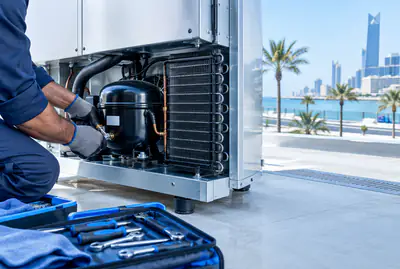









Some of our work
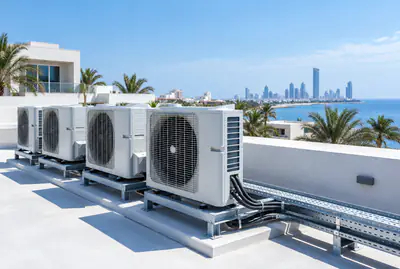
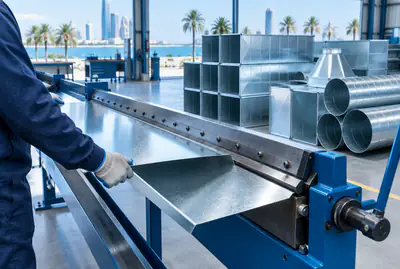
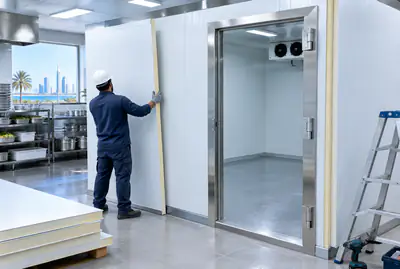
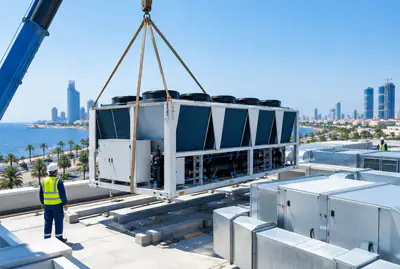
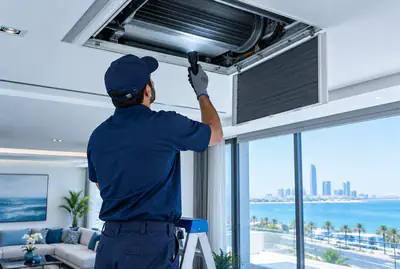
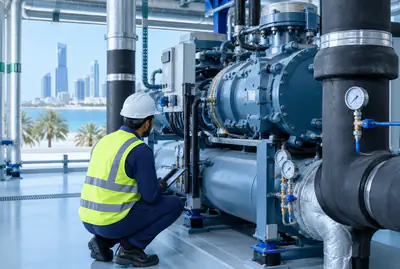
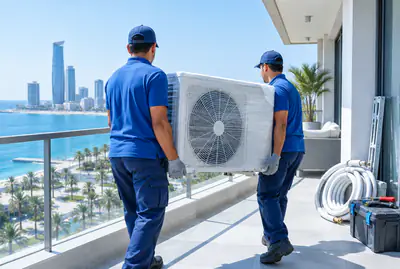
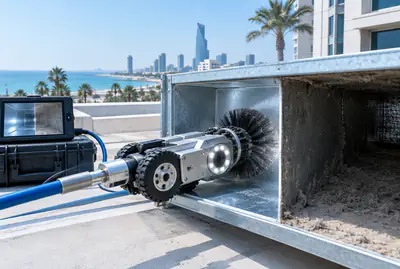
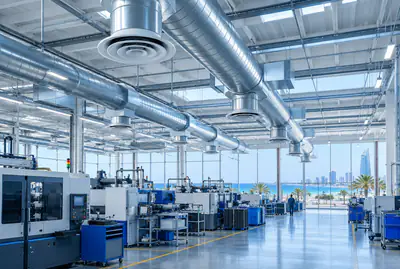
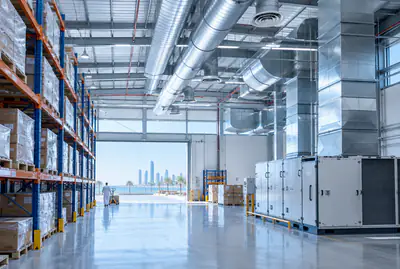
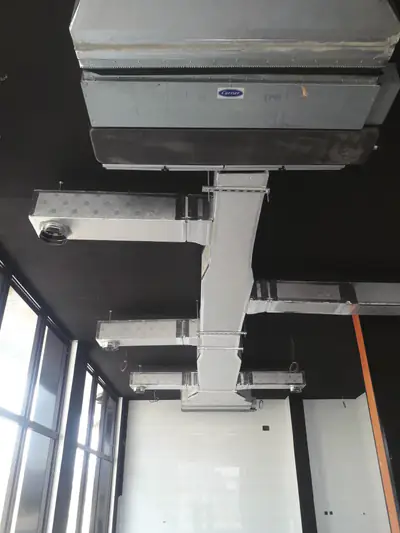
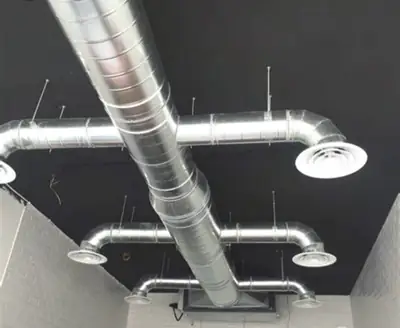
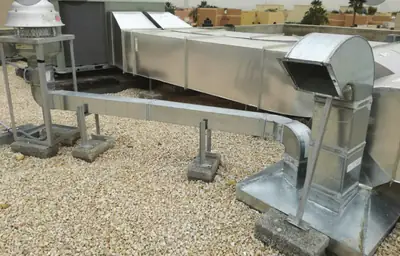
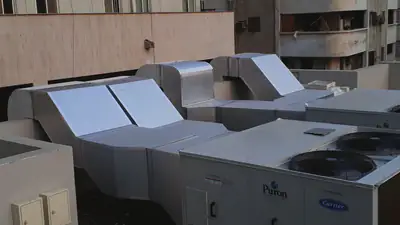
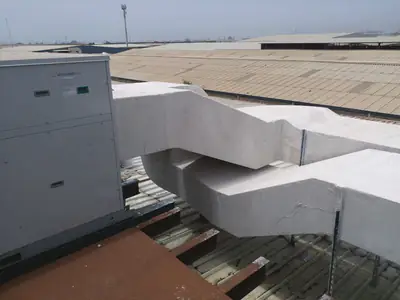
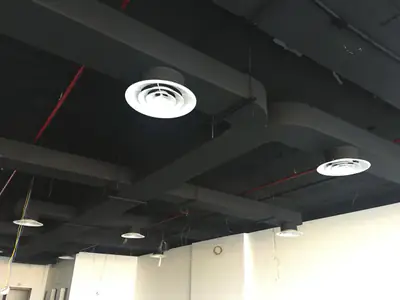
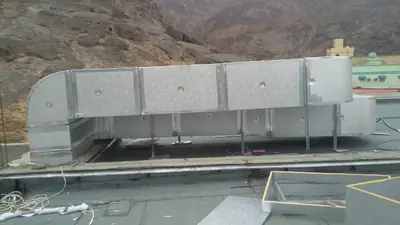
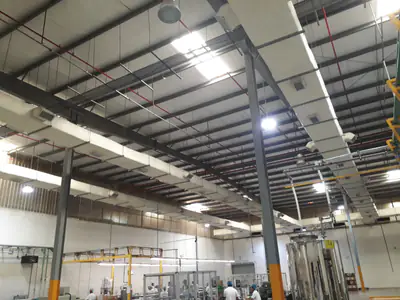
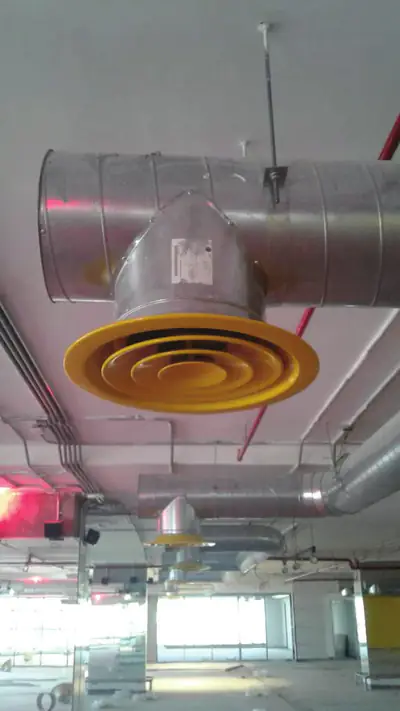
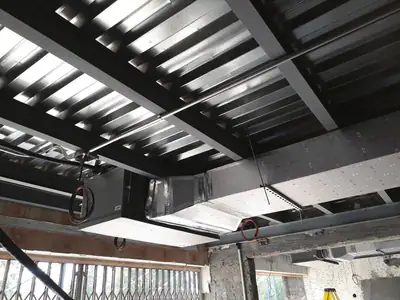
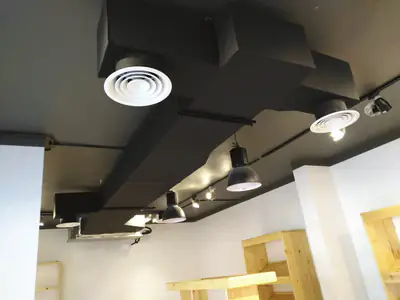
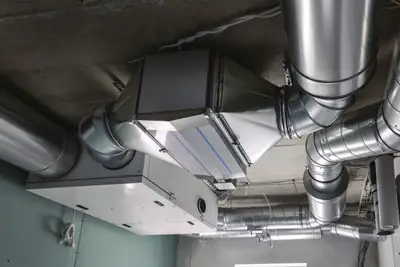
Ductwork, rooftop units and diffusers, from work we've completed in Jeddah.
Customer reviews
What our customers say
- Muhammadramzan 2641
“MashaaAllah. Services are so good. Behaviour and kindness 100/100. Prices are less then Market. Fully recommended”
- shahzeb armani
“Wow. Prices are so comfortable. Outstanding services. People are so talented and nice”
- Tawfik AlyawerLocal Guide
“U can find all u need for air conditioning”
Your satisfaction matters to us! If you had a great experience with us, we'd love a 5-star rating and a kind review.
Worked with us? Leave a reviewService areas
We come to you anywhere in Jeddah
From Al Shiraa and Al Yaqout in the north to Al Thaghr and Al Quraiyat in the south, with our base in Al Aziziyah.

What sets this district apart
Old Airport is a mixed neighbourhood with villas, apartments and commercial spaces, where many units are relatively older or installed with varying quality. Leaks are common here because the copper lines may have been weak from the start or exposed to vibration and corrosion over time. Refilling without repairing the leak will see the problem return quickly, especially during hot summer months.
Old Airport is in central Jeddah, a mixed-use neighbourhood with villas, apartments and shops, with units of varying age.
Units here range from 1.5 to 3 tonnes, and the copper lines are often old or exposed to corrosion.
The AC setup in Old Airport
- 1
Split units from 1.5 to 3 tonnes in various sizes
Villas, shops and apartments here use various capacities, some very old and others relatively recent.
- 2
Older copper lines vulnerable to corrosion
Many lines are from older installations, prone to corrosion from moisture and direct sun exposure.
- 3
Outdoor units in varied locations
Outdoor units are mounted on villa roofs, shop walls or apartment balconies, so potential leak points vary widely.
Before the visit
Before our visit in Old Airport
- 1
Identify the outdoor unit location and how to reach it
Tell us clearly where the outdoor unit is located and whether the roof or wall is safe to access during inspection.
- 2
Disconnect power from the entire unit
Disconnect power from both indoor and outdoor units before our arrival to ensure safety while we inspect the lines.
- 3
Clear the entire copper run for inspection
Remove any covers or obstructions around the lines so we can inspect the entire copper run from outdoor to indoor unit.
More districts for Split AC refrigerant charging
Other services in Old Airport
FAQ
Questions about Split AC refrigerant charging
Does the split have to come off the wall to be recharged?
Usually not. Charging is done at the service valve on the outdoor unit, and if the leak is at the flare joints behind the indoor unit we reach them by lifting the lower cover or tilting the unit on its bracket. It only comes down when the joint is inside the wall.
Where do leaks usually occur in a wall split?
The most common points in a wall split are the flare joints at the indoor unit, which loosen over time from vibration, and the service valves at the outdoor unit. In Jeddah's humid and salty air, oxidation at copper connections can develop faster, which raises the chance of a leak.
Does the charging process differ when a split has been moved?
When a split is moved, the flare joints are disconnected and remade, and this is when air and moisture enter the line. A full vacuum before charging becomes especially important, and the technician checks every remade flare joint before the line is closed.
Why does my split cool only at night?
This is a common sign of low refrigerant. At night, lower outdoor air temperature lets the compressor partly compensate for the shortage. During Jeddah's daytime heat, the reduced charge is not enough and cooling weakens or stops. The inspection confirms whether this is the cause or whether another factor such as the compressor or capacitor is involved.
Does the length of the copper pipe run affect how much refrigerant is needed?
Yes, a longer copper pipe run between the two units requires more refrigerant. The site inspection measures the actual run length, and the technician sets the charge amount based on the nameplate figure and the installed pipe length.
My unit started leaking years after installation, is it normal for copper lines to degrade over time?
Yes, older copper lines are vulnerable to corrosion and vibration, especially if exposed to moisture or direct sun. Regular inspection helps catch leaks early.
The lines run through tight gaps between walls, how do you find leaks there?
We use an electronic refrigerant detector that senses even tiny leaks in tight spaces, and we trace the entire line from outside.
If the lines are very old and leak at multiple points, should I replace them entirely?
If the leak is at one clear point, we repair that spot and charge. If the lines are severely degraded along their length, we discuss full replacement with you before proceeding.
After repair, how often should I have the refrigerant checked?
After repair and correct charging, inspect the unit at least once yearly, since older lines can slowly develop new leaks over time.