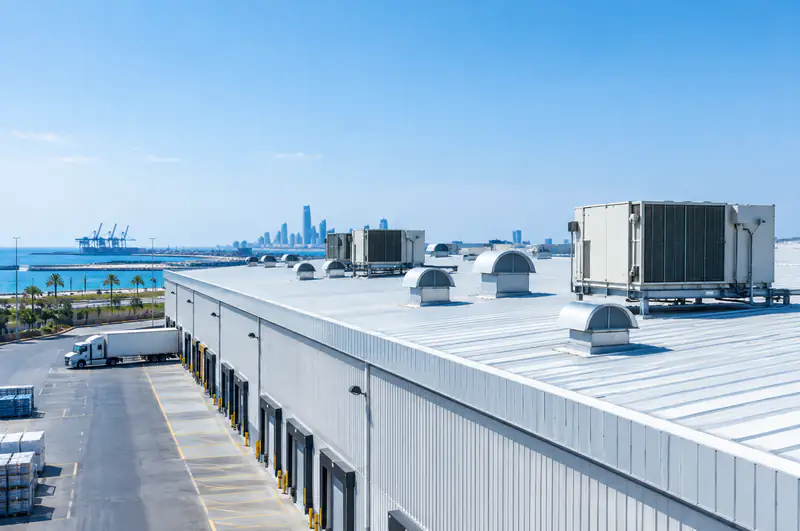

Warehouse Cooling
Warehouse HVAC in Harat Al Mazloum
In Harat Al Mazloum at the heart of old downtown, closely built warehouses and storage rooms with simple roofs suffer intense heat and tight spaces. We install distributed cooling carefully that fits the old building's structure and protects stock and workers.
- Zone control
- Stock protection
- Directed ventilation
Clients We're Proud to Serve
Organisations and companies that trusted Alrabih with their projects.
































When your warehouse needs a proper HVAC system
- 1
Heat that damages stored stock
Food, pharmaceutical and electronics stock all have storage temperature limits. When a metal warehouse roof bakes under Jeddah's sun, the air inside becomes a direct threat to shelf life and product quality. The solution starts with a survey of the racking layout to find the critical zones.
- 2
Workers overheating in the picking area
Workers in the picking and loading area move constantly under a hot roof. Natural ventilation alone is not enough in summer. We choose between direct cooling and evaporative cooling based on a site survey and the indoor humidity level.
- 3
Warehouse offices that are never comfortable
Supervisor and reception offices have different needs from the large storage hall. Putting them on one system raises cost and weakens performance in both areas. We give the office zone its own system and link it to the warehouse with pressure-control points.
Who it's for
Storing heat-sensitive stock in a warehouse
We locate the critical zone in the racking layout and design an independent cooling system with its own controls, keeping that area at a safe temperature separate from the rest of the warehouse.
Ask on WhatsAppBuilding a new warehouse and need HVAC from the start
We join the project at design stage before the roof closes, mapping cooling zones, ventilation and duct routes to fit the racking plan and loading doors from the outset.
Ask on WhatsApp
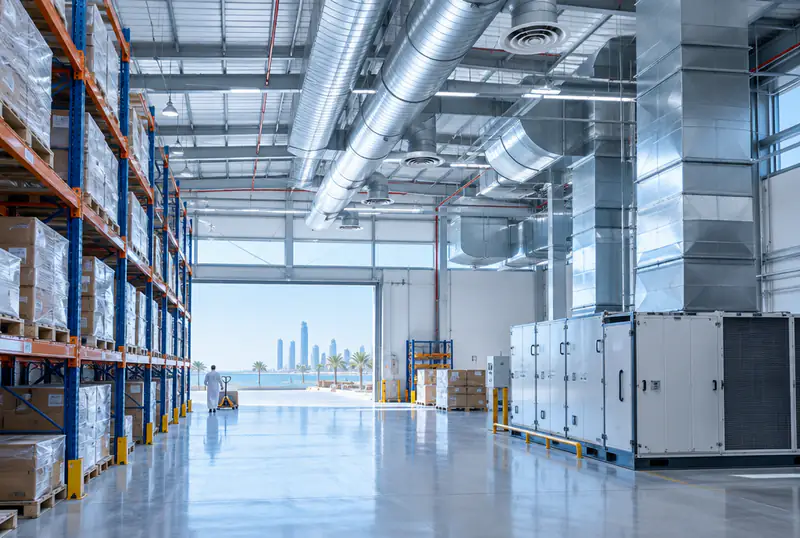
What the system covers
- Racking layout and zone map
- Cooling units per zone
- Ductwork from our workshop
- Independent controls per zone
- Airflow check after start-up
How we work
How we work
- 1
Site survey
We visit the warehouse, measure the internal height, review the racking layout and the positions of loading doors and offices, then map the main thermal zones before proposing any system.
- 2
System design and zoning
We design a system for each zone: central or split units for offices and critical stock areas, and evaporative or mechanical ventilation for the picking area where indoor humidity allows it.
- 3
Duct fabrication and installation
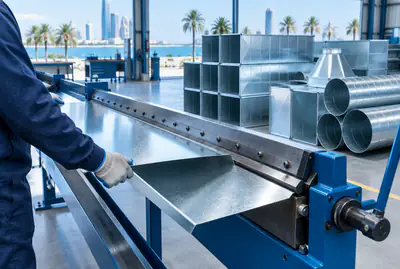
We fabricate round and rectangular ductwork in our workshop from G90 galvanised sheet to the site dimensions, insulate with Armaflex or Kimmco materials, then mount the units, run the copper and connect the control points.
- 4
Start-up and handover
We start each zone separately, measure airflow at multiple points across the warehouse floor, and check that all drain lines are clear before handing over.
A zoned system or unplanned scattered units?
| Alrabih | The usual way | |
|---|---|---|
| Zone design | Surveyed and mapped before fitting | Units added when complaints come |
| Ductwork | Fabricated to site dimensions | Flex duct without calculation |
| Evaporative cooling | Where humidity allows it | Fitted without measuring humidity |
| Sensitive stock | Separate zone with its own control | Left in the general air |
| Copper runs | Mueller, weld-free to 30 m | Multiple welded joints |
Everything your AC needs, from one team
From system design and duct fabrication to installation, commissioning and maintenance.

Split AC installation
Request this serviceDuct installation
Request this serviceCentral AC installation
Request this serviceDuct fabrication
Request this serviceCold room installation
Request this serviceElectro-mechanical works
Request this serviceChiller & AHU installation
Request this serviceHVAC design
Request this serviceAC repair & faults
Request this serviceAC cleaning
Request this serviceRefrigerant charging
Request this serviceCentral AC maintenance
Request this serviceChiller maintenance
Request this serviceAC removal & refitting
Request this serviceDuct cleaning & sanitising
Request this serviceAC servicing by brand
Request this serviceOperation & maintenance contracts
Request this serviceAHU maintenance
Request this serviceFridge & freezer service
Request this serviceCold rooms
Request this serviceDisplay fridges & chillers
Request this serviceFactory HVAC
Request this serviceWarehouse HVAC
Request this serviceVilla & home HVAC
Request this serviceHotel HVAC
Request this serviceSchool HVAC
Request this serviceHospital HVAC
Request this serviceMosque HVAC
Request this serviceMall & retail HVAC
Request this serviceRestaurant & cafe HVAC
Request this service






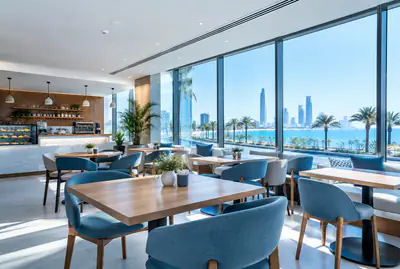
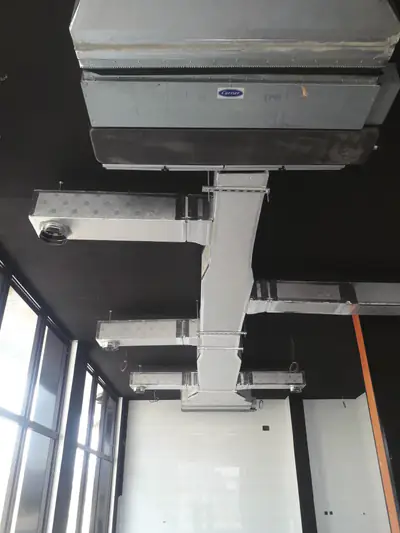
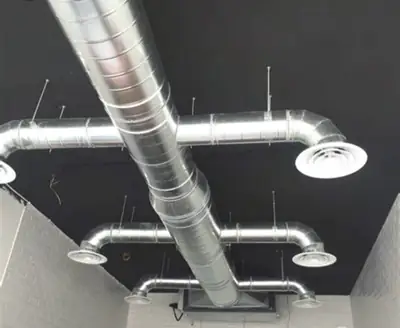
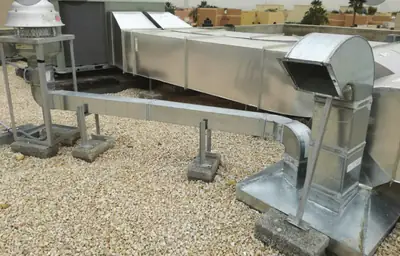
Some of our work
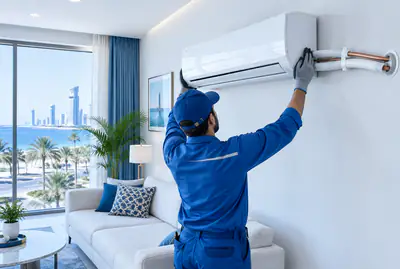
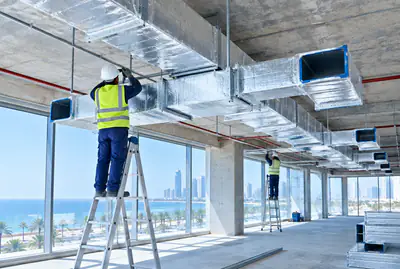
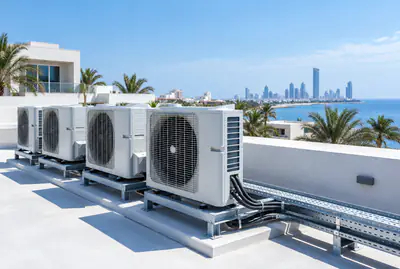
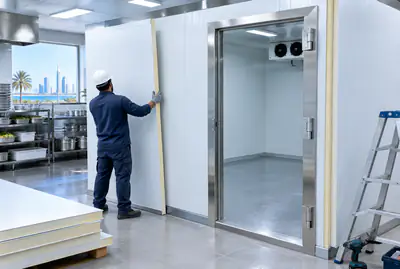
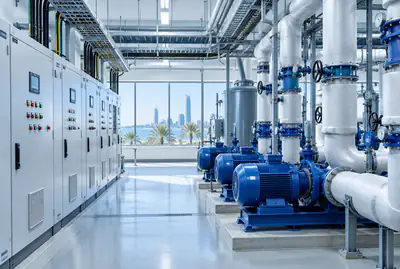
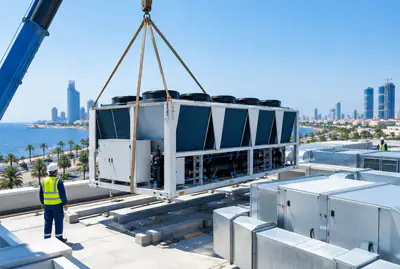
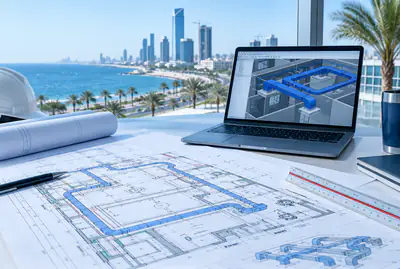
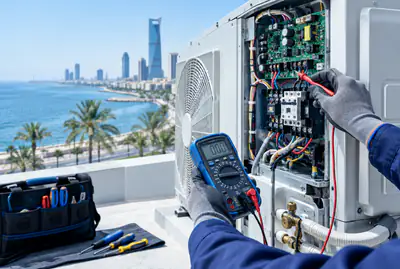
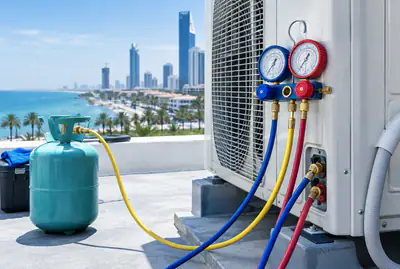
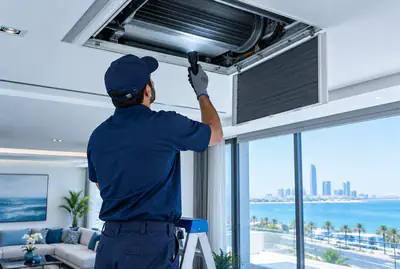
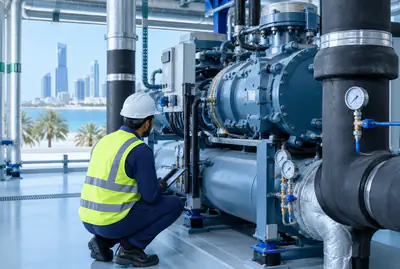
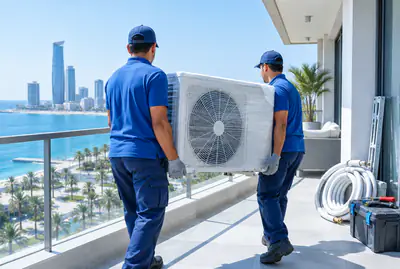
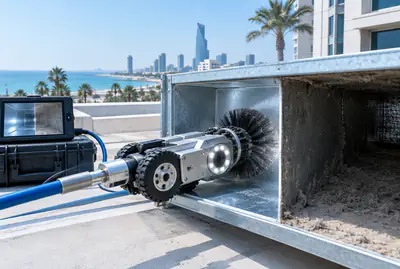
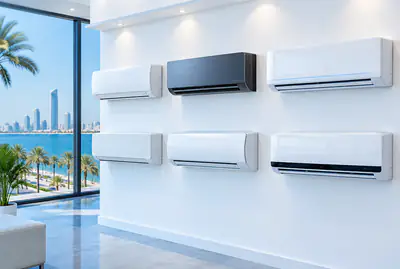
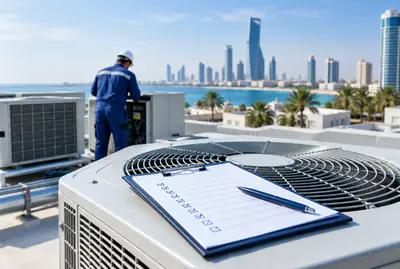
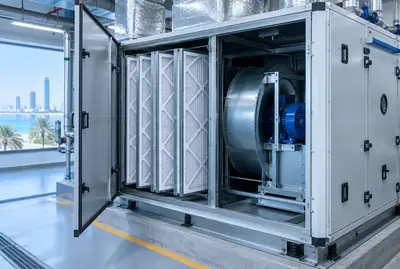
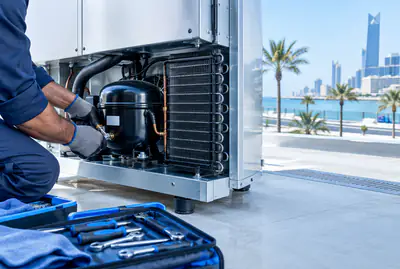
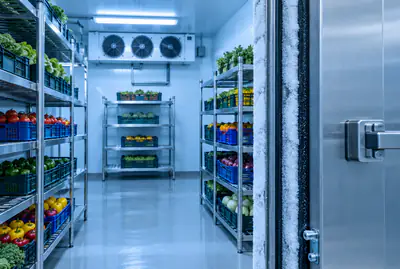
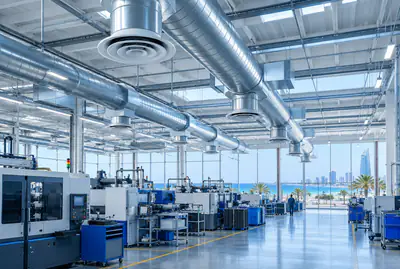
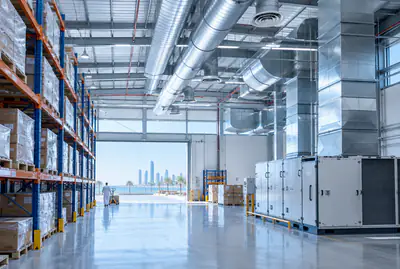
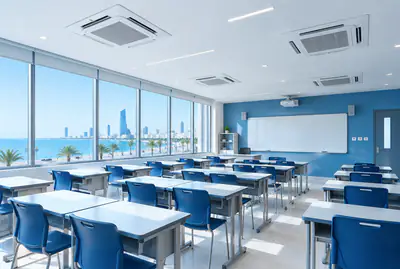
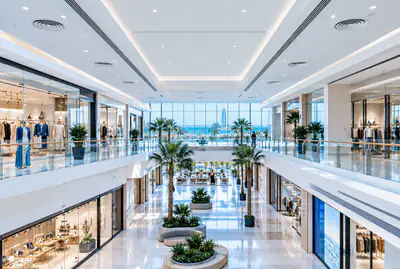
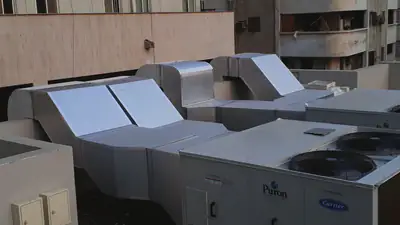
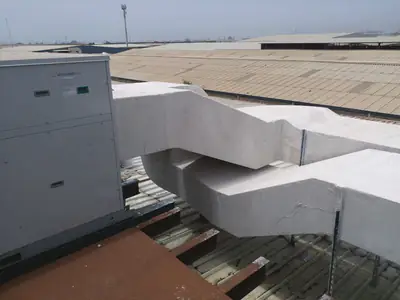
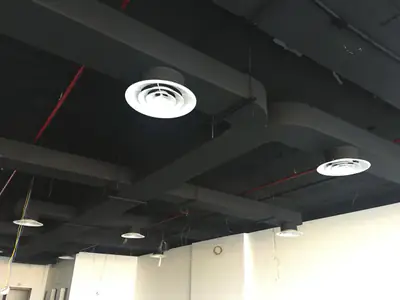
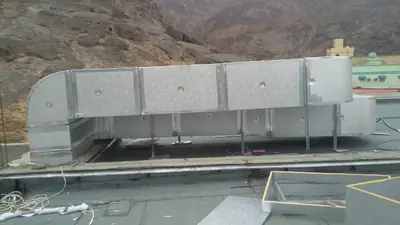
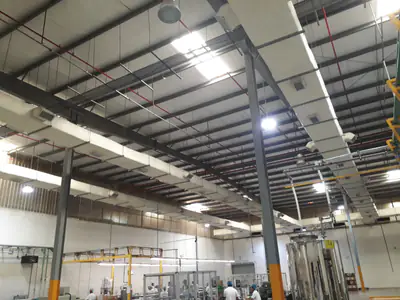
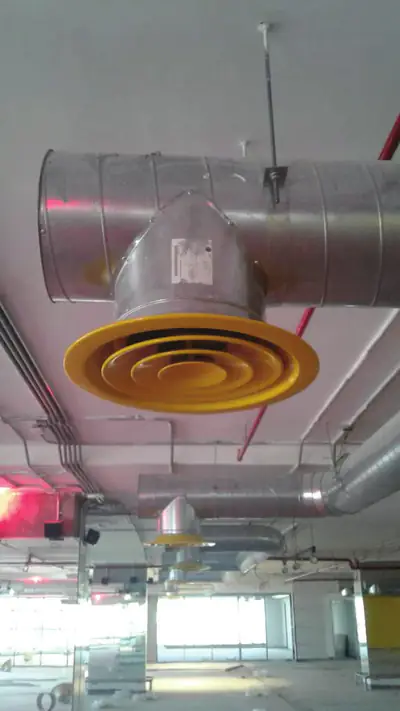
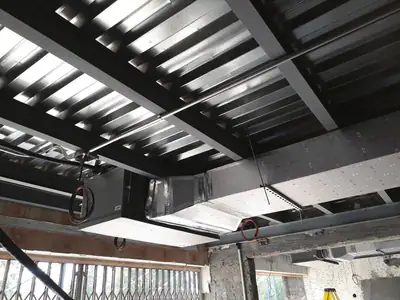
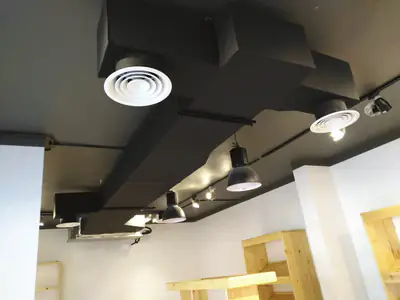
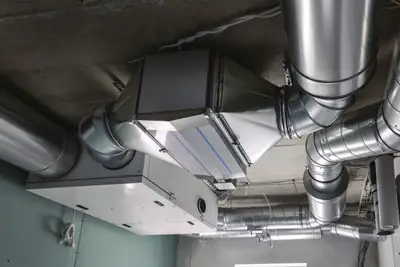
Ductwork, rooftop units and diffusers, from work we've completed in Jeddah.
Customer reviews
What our customers say
- Muhammadramzan 2641
“MashaaAllah. Services are so good. Behaviour and kindness 100/100. Prices are less then Market. Fully recommended”
- shahzeb armani
“Wow. Prices are so comfortable. Outstanding services. People are so talented and nice”
- Tawfik AlyawerLocal Guide
“U can find all u need for air conditioning”
Your satisfaction matters to us! If you had a great experience with us, we'd love a 5-star rating and a kind review.
Worked with us? Leave a reviewService areas
We come to you anywhere in Jeddah
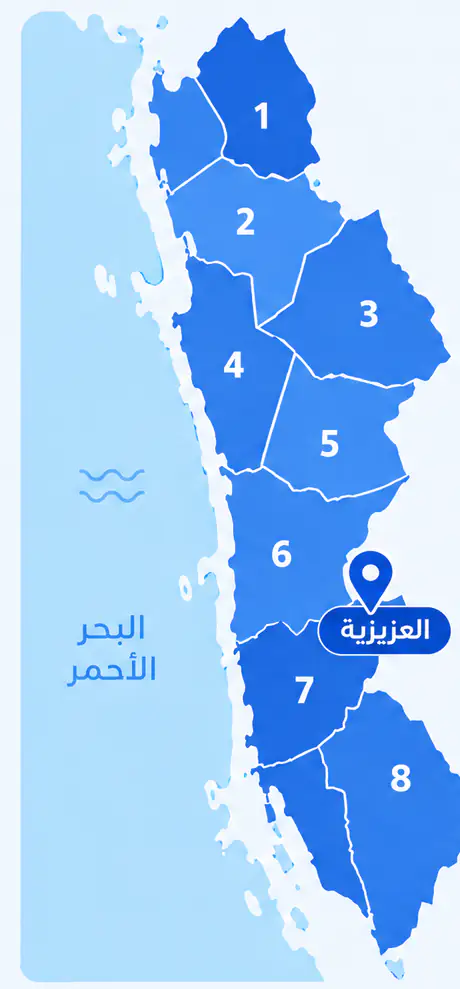
From Al Shiraa and Al Yaqout in the north to Al Thaghr and Al Quraiyat in the south, with our base in Al Aziziyah.
What sets this district apart
Harat Al Mazloum's buildings are relatively old, holding warehouses and storage across multiple floors with very narrow streets between them, and ceilings that are not tall and may be plain concrete or basic metal. Natural ventilation is very weak due to the closely built blocks and tight streets, so heat builds up fast indoors, especially in summer. Warehouse cooling here needs a thoughtful system that respects the old building's structure, avoids cutting old walls where possible, uses low vents and multi-storey internal ducts, and requires advance coordination with the warehouse owner and neighbouring buildings.
Harat Al Mazloum sits in Jeddah's historic downtown, an older zone of closely built residential, commercial and storage blocks around the popular markets.
Most warehouses here use old window units or limited split systems, and outdoor units are hard to mount because the facades are narrow and balconies small.
The AC setup in Harat Al Mazloum
- 1
Separate units per floor
Multi-storey warehouses here need separate cooling units per floor to avoid long complex ducts and maintain thermal balance.
- 2
Interior ducts through walls and ceilings
Old buildings need ducts hidden inside walls or below ceilings to avoid cutting into load-bearing walls.
- 3
Outdoor units on shared roofs
Roofs here are often shared between multiple buildings, so outdoor unit placement needs the owner's or municipality's approval.
Before the visit
Before our visit in Harat Al Mazloum
- 1
Coordinate with the warehouse owner and neighbouring building owners
If the outdoor unit will sit on a shared roof, ensure all stakeholders agree before the visit date.
- 2
Explain the duct routes in detail
At the first visit, ask the team about the best duct path through floors and walls that will not damage the old structure.
- 3
Check roof and window conditions
Inspect the roof and windows near the outdoor unit location to ensure the structure is safe and can bear the weight.
More districts for Warehouse HVAC
Other services in Harat Al Mazloum
FAQ
Questions about Warehouse HVAC
Is evaporative cooling right for a warehouse in Jeddah?
It depends on indoor humidity levels and the type of stock stored. In well-ventilated open areas where stock is not sensitive to a small rise in humidity, evaporative cooling can work well. The site survey gives a clear answer before any decision is made.
How do you handle the height in tall warehouse bays?
In a tall bay, cool air settles low and hot air rises, which works in your favour when diffusers are aimed correctly at the working level and the racking. We set diffuser angles and positions during design based on the racking height and the movement aisles.
Can cold storage zones link to the rest of the warehouse system?
Cold rooms and freezer rooms run on their own refrigeration systems, which we install as a separate service. What we handle here is the ambient air around those room doors, so warm warehouse air does not rush in when they open, managed by pressure zoning between the two spaces.
Do warehouse air ducts need insulation?
Yes, especially ducts that run close to the hot metal roof. Without insulation, cool air gains heat before it reaches the diffusers and loses much of its effect. We insulate with Armaflex or Kimmco materials and seal joints with Foster sealants to stop air leaks.
Does airflow distribution differ between tall racking aisles and open floor areas?
Yes. In tall racking aisles the airflow path narrows and slows, so we choose directional diffusers that push air along the aisle length rather than spreading it sideways. In open floor areas we use wider-angle diffusers. The angle and position of each diffuser are set at design stage based on the aisle width and racking height.
My warehouse is on an upper floor, how do you route the ducts and outdoor units?
We visit first to study the building and map duct routes through the floors and the outdoor unit location on roof or balcony that fits the old structure.
The streets around my warehouse are very tight, can you bring in equipment and piping?
We carry pipes and small parts by hand through the tight street and agree with the warehouse owner on the closest point to unload larger equipment.
Humidity here is very high and the warehouse is close to the sea, will cold air damage the stock?
Cold air alone does not damage stock, but high humidity needs constant monitoring and proper drying, and we advise adding a dehumidifier if needed.
The warehouse building is old with dampness in the foundations, does that affect the cooling?
Foundation dampness increases the cooling load and reduces efficiency, so we recommend checking for leaks and fixing them before or alongside the AC installation.