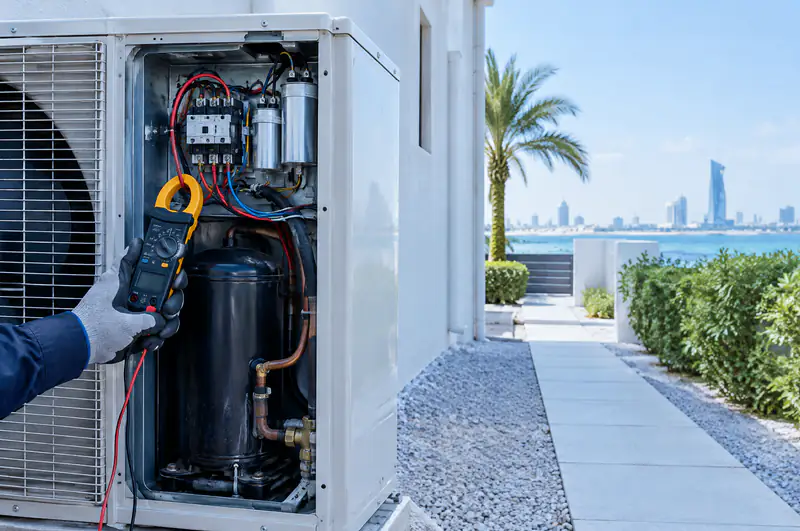

Central AC compressor
Central AC compressor service in Al Wadi
Central AC compressor service in Al Wadi starts with thorough testing before any replacement. When the compressor hums or trips the breaker, Alrabih's team tests the windings, capacitor, contactor and refrigerant pressures to identify the real problem.
- Winding tests
- Root-cause diagnosis
- Repair or replace
Clients We're Proud to Serve
Organisations and companies that trusted Alrabih with their projects.



































When the compressor needs a specialist
- 1
Outdoor unit runs but no cooling
The outdoor fan turns and the unit draws power, but the air inside stays warm. The compressor is usually not building pressure, and the fault may lie in the capacitor, the contactor or the windings themselves. A site test shows which one.
- 2
Compressor trips the breaker on start
The circuit breaker trips the moment the compressor tries to start. This points to excessive starting current from a weak capacitor, a grounded winding or high pressure trapped in the circuit. Running the unit in this state accelerates compressor failure.
- 3
Compressor runs hot or makes odd noise
Jeddah's summer heat already pushes every compressor hard. Add low refrigerant or a blocked outdoor unit and it overheats, knocking or hissing. These are early warnings where intervention is still possible before the compressor fails completely.
Who it's for
Commercial building with AC down in summer
The compressor hums or trips the breaker and the building has no cooling. We test the windings, capacitor and pressures, fix the root cause, then return the unit to service.
Ask on WhatsAppYour villa is running but cooling stopped suddenly
The outdoor unit is running but inside air is warm. We find whether the fault is in the contactor, capacitor or the compressor itself, and repair what we can on site.
Ask on WhatsApp
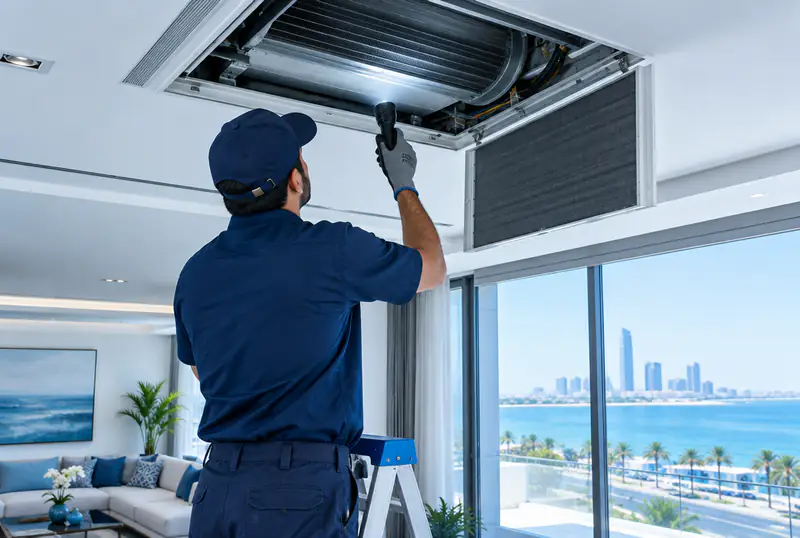
What the compressor service covers
- Winding resistance and insulation test
- Capacitor check and replacement
- Contactor and electrical connections check
- Suction and discharge pressure readings
- Repair or replacement decision
How we work
How we work
- 1
Describe the fault
WhatsApp us what the unit does, the system type and your district. We bring the right test instruments and book the visit.
- 2
Electrical and mechanical tests
We measure the winding resistance and insulation, test the capacitor and contactor, and read the circuit pressures to understand exactly what is happening in the compressor.
- 3
Repair surrounding parts
If the fault is in the capacitor, contactor or wiring we fix it on the spot. If the compressor itself has failed, we explain why and what must be corrected before a replacement is fitted.
- 4
Start-up and verification
After the repair or replacement we run the unit, read the pressures and operating current, and confirm the compressor is working within the correct range in the current conditions.
Full diagnosis or a quick swap?
| Alrabih | The usual way | |
|---|---|---|
| Capacitor | Measured before any decision | Swapped without measuring |
| Compressor windings | Resistance and insulation tested | Ignored until shutdown |
| Circuit pressures | Read and interpreted | Not checked |
| Root cause | Fixed before start-up | Left to repeat |
| Contactor | Inspected and replaced when worn | Ignored until it burns out |
Everything your AC needs, from one team
From system design and duct fabrication to installation, commissioning and maintenance.

Split AC installation
Request this serviceDuct installation
Request this serviceCentral AC installation
Request this serviceDuct fabrication
Request this serviceCold room installation
Request this serviceElectro-mechanical works
Request this serviceChiller & AHU installation
Request this serviceHVAC design
Request this serviceAC repair & faults
Request this serviceAC cleaning
Request this serviceRefrigerant charging
Request this serviceCentral AC maintenance
Request this serviceChiller maintenance
Request this serviceAC removal & refitting
Request this serviceDuct cleaning & sanitising
Request this serviceAC servicing by brand
Request this serviceOperation & maintenance contracts
Request this serviceAHU maintenance
Request this serviceFridge & freezer service
Request this serviceCold rooms
Request this serviceDisplay fridges & chillers
Request this serviceFactory HVAC
Request this serviceWarehouse HVAC
Request this serviceVilla & home HVAC
Request this serviceHotel HVAC
Request this serviceSchool HVAC
Request this serviceHospital HVAC
Request this serviceMosque HVAC
Request this serviceMall & retail HVAC
Request this serviceRestaurant & cafe HVAC
Request this service

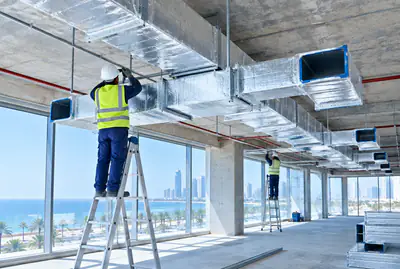
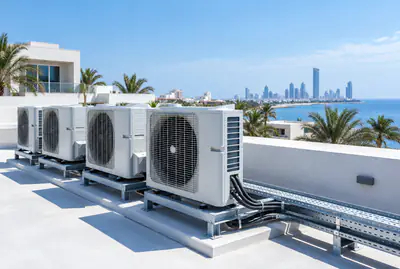



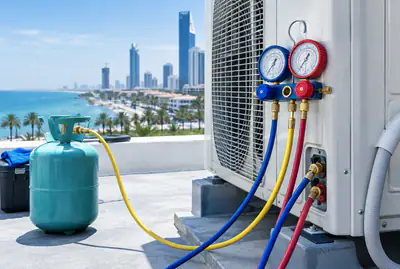
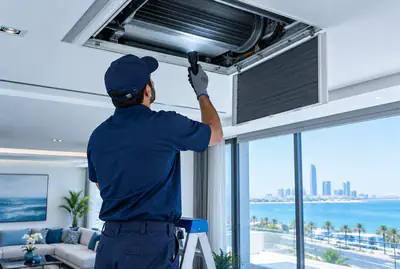

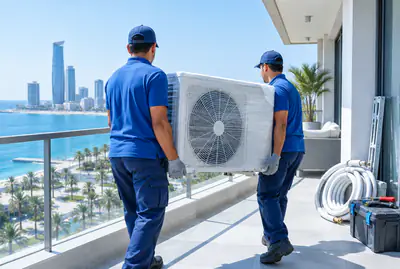
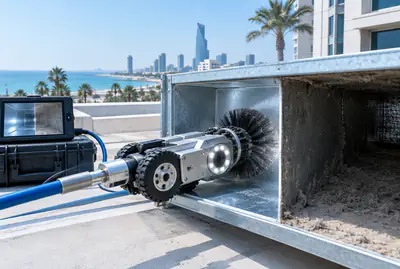











Some of our work
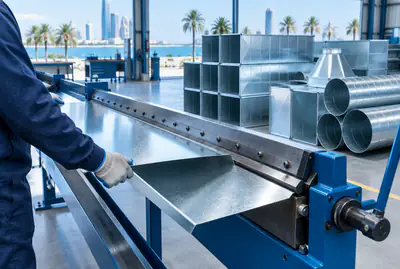
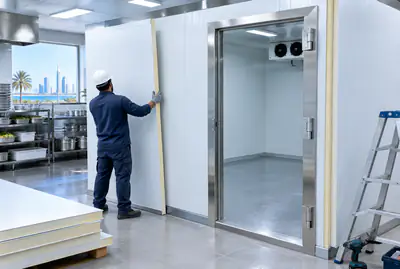
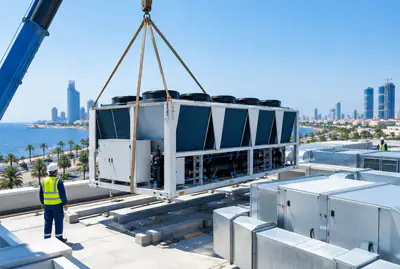
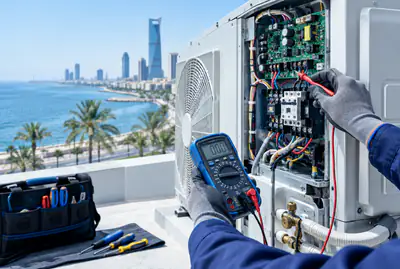
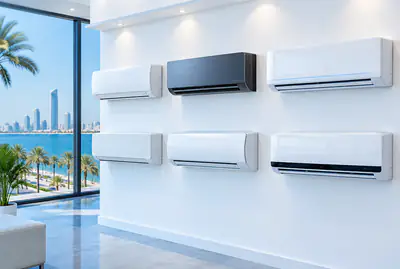
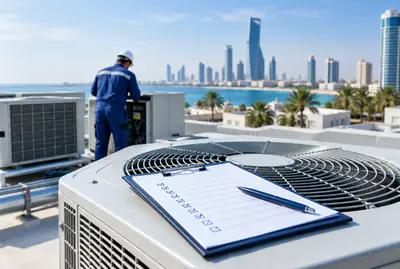
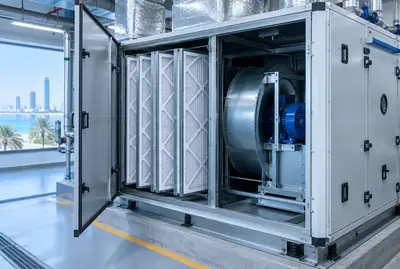
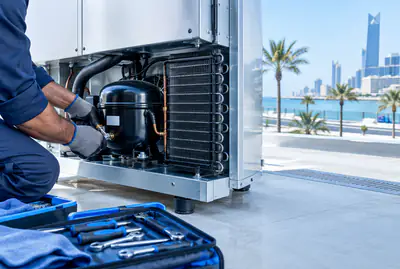
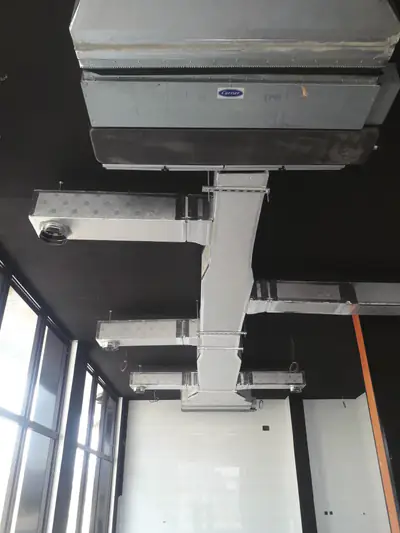
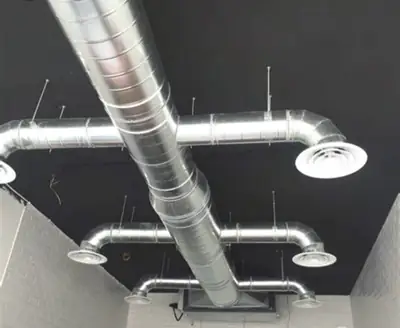
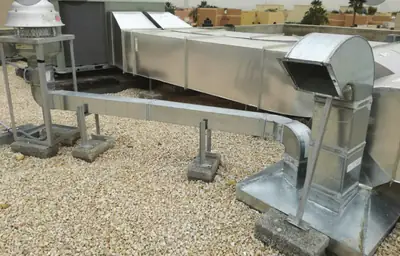
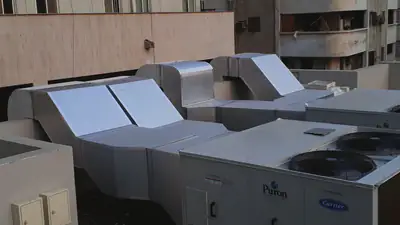
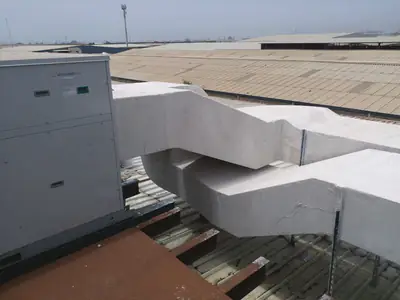
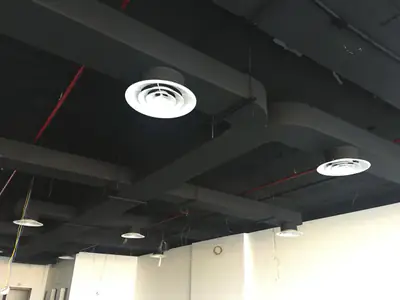
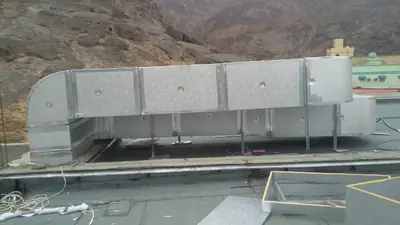
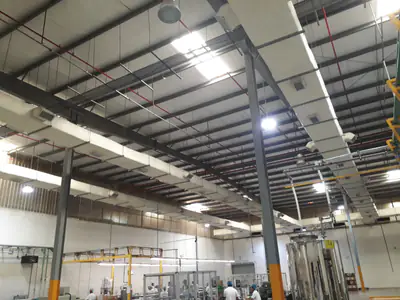
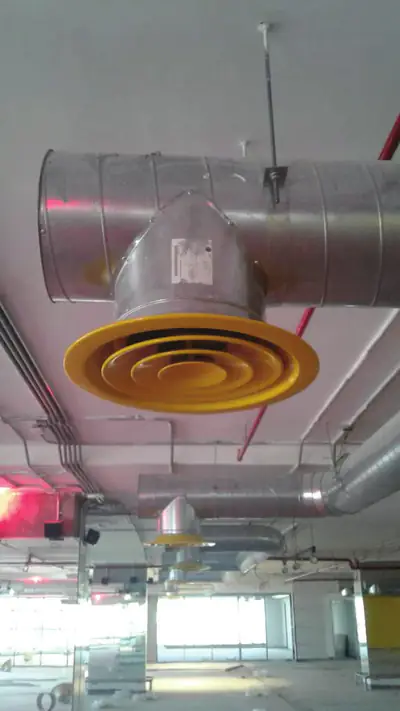
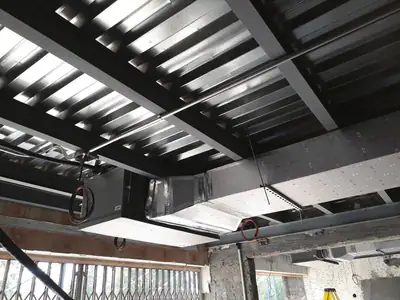
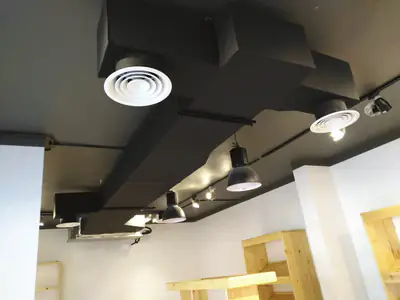
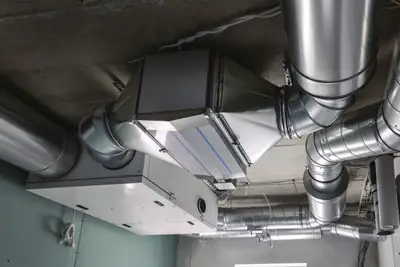
Ductwork, rooftop units and diffusers, from work we've completed in Jeddah.
Customer reviews
What our customers say
- Muhammadramzan 2641
“MashaaAllah. Services are so good. Behaviour and kindness 100/100. Prices are less then Market. Fully recommended”
- shahzeb armani
“Wow. Prices are so comfortable. Outstanding services. People are so talented and nice”
- Tawfik AlyawerLocal Guide
“U can find all u need for air conditioning”
Your satisfaction matters to us! If you had a great experience with us, we'd love a 5-star rating and a kind review.
Worked with us? Leave a reviewService areas
We come to you anywhere in Jeddah
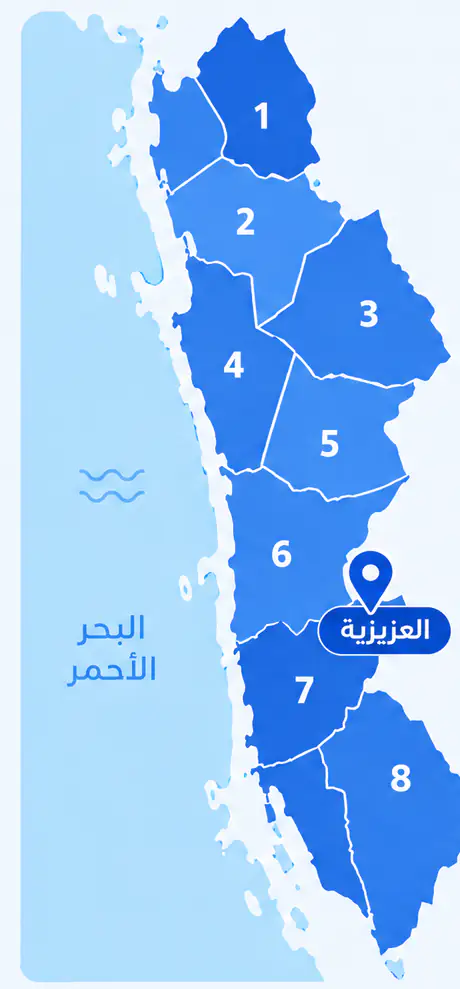
From Al Shiraa and Al Yaqout in the north to Al Thaghr and Al Quraiyat in the south, with our base in Al Aziziyah.
What sets this district apart
Al Wadi is a medium-density residential district in south Jeddah mixing small villas and flats in scattered green areas, so the central AC units run at moderate efficiency because the buildings are less crowded than downtown. However, when a compressor fails, the long copper lines running through the garden or across the roof may have weakened from intense heat or oxidation, or the capacitor and electrical contactor may have degraded over time.
Al Wadi sits in south Jeddah, a medium-density residential district with small villas and flats interspersed with green spaces.
Most buildings in Al Wadi have one central compressor feeding indoor units, with copper lines running moderate distances through gardens or across roofs.
The AC setup in Al Wadi
- 1
Single central compressor with multiple indoor units
Most Al Wadi buildings rely on a single powerful compressor serving multiple rooms through a network of copper lines.
- 2
Long copper lines through gardens and roofs
Pipes run relatively long distances from outdoor to indoor units, exposing them to heat, moisture and oxidation.
- 3
Outdoor unit on roof or in the courtyard
The outdoor unit is usually directly exposed to sun, intense heat and humidity, speeding up capacitor and contactor wear.
Before the visit
Before our visit in Al Wadi
- 1
Clear the path to the outdoor unit
If the unit is on the roof or in the courtyard, make sure there is a clear, safe path for the team to reach it with testing equipment.
- 2
Gather previous maintenance receipts
If the compressor has a service history, tell us about previous maintenance dates and issues fixed to guide our diagnosis.
- 3
Show us the main electrical panel
Make sure our team knows where the main breaker for the central AC is located so they can safely disconnect power before testing.
More districts for Central AC compressor service
Other services in Al Wadi
FAQ
Questions about Central AC compressor service
Can the compressor be repaired or does it always need replacing?
Many cases labelled 'failed compressor' are actually a weak capacitor, a burnt contactor or a loose connection, all of which can be fixed without touching the compressor. If winding tests show insulation breakdown or there is an internal mechanical fault, replacement is needed, and the root cause must be dealt with first.
Why does a new compressor also trip the breaker after a short time?
This happens when the new compressor is fitted without fixing the original problem: a mismatched capacitor, high pressure left trapped in the circuit, or oil contamination in the line. The new unit faces the same load that destroyed the old one, so it trips the breaker or fails in its turn.
How does Jeddah's summer heat affect the compressor?
High temperatures raise the discharge pressure in the circuit and push the compressor beyond its normal operating load. Add warm air trapped around the outdoor unit or low refrigerant and the compressor overheats, shuts down on thermal protection or fails. The check covers outdoor unit ventilation and circuit pressures together.
What happens if I leave the compressor running when it overheats or trips repeatedly?
Each forced start-and-stop cycle raises the winding temperature and speeds up insulation breakdown. The lubricating oil loses its properties under excess heat and builds up in the line. Within a few weeks a simple capacitor fault becomes a complete compressor failure that needs replacement rather than repair.
Can liquid slugging in the refrigerant circuit damage a new compressor?
Yes. If liquid refrigerant reaches the compressor instead of vapour, the valve reeds inside break quickly. The technician checks the charge level, the condition of the evaporator coil and the fall of the suction line before starting the unit, and confirms that the pressures on both sides of the circuit match what is printed on the unit's nameplate.
The compressor stopped after years of use. Do I need to replace it right away?
Not necessarily. The capacitor, contactor or even the windings may need repair or cleaning. We test all components first to determine if replacement is actually needed.
The copper lines run far from the house. Does this affect the compressor?
Yes, long lines can cause pressure drop or delay in refrigerant circulation, straining the compressor and making it more prone to failure. We check refrigerant pressures at both the start and end points.
Does the intense summer heat in Al Wadi damage the compressor?
Yes, the intense heat and moderate humidity in Al Wadi speed up oxidation of the copper lines and wear on the electrical capacitor, raising the likelihood of compressor failure.
Our power sometimes cuts out suddenly. Does this harm the compressor?
Sudden power cuts can damage the electrical contactor and cause voltage spikes when power returns, which may burn the compressor windings. We inspect the contactor and windings after repeated outages.