
Professional duct routing
Duct installation in Al Fadilah
In Al Fadilah, south Jeddah, duct installation serves densely built residential blocks with modern designs. Alrabih's team plans a central distribution system from a roof unit, running cool air through a vertical spine and horizontal branches to each flat with low humidity and no leakage.
- Sealed joints
- Proper insulation
- Balanced branches
Clients We're Proud to Serve
Organisations and companies that trusted Alrabih with their projects.


































When you need a specialist duct installer
- 1
Rooms that cool unevenly
One room freezing, another barely cool, even though they share the same system. The cause is usually a wrong branch takeoff or an unbalanced diffuser. We inspect the existing route and fix the fault at its real source, not at the thermostat.
- 2
Adding a room or a new wing
You have added a room or extended office space and need to connect it to the existing duct network. We inspect the current network to confirm it can carry the extension, then connect the new branch in a way that does not reduce airflow to the other rooms.
- 3
Air leaking above the false ceiling
You can hear air above the suspended ceiling, or some diffusers have grown weak since a previous maintenance visit. Unsealed joints waste cold air in the ceiling void before it reaches the rooms. Sealing them with Foster sealants solves the problem at its source.
Who it's for
Fitting out a new office that needs duct runs
We survey the ceiling voids before they are closed and route duct runs with correct hangers and branch takeoffs.
Ask on WhatsAppSome rooms barely cool and you suspect the duct
We inspect the duct route and fix wrong branch takeoffs and open joints at their exact location.
Ask on WhatsApp
What the work covers
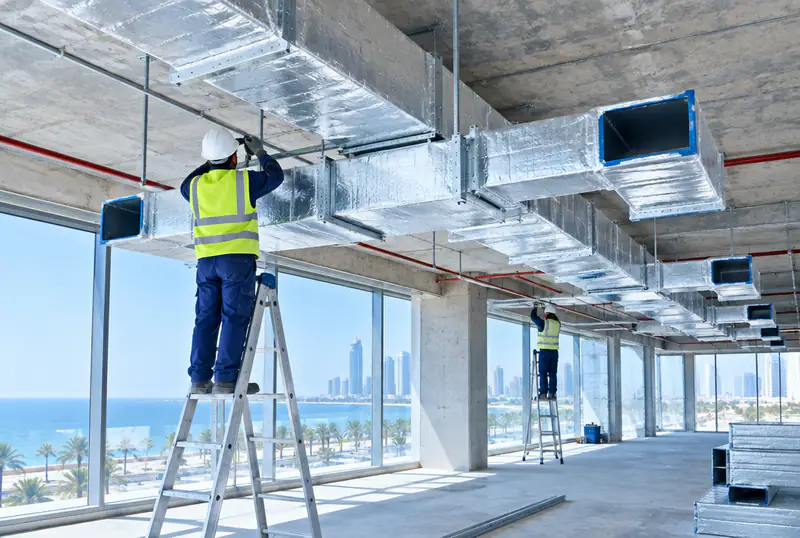
- Duct routed above false ceiling
- Hangers and supports fitted
- Branch takeoffs and diffusers connected
- Joints sealed with Foster
- Duct insulated with Armaflex
How we work
How we work
- 1
Site survey
We inspect the ceiling void, plan a route clear of electrical and plumbing conflicts, and measure the actual dimensions of every section of the network.
- 2
Hang and route the duct
We fix hangers at correct spacing to prevent sag, then mount duct sections, connect branch takeoffs, and fit diffusers and grilles in the positions agreed at the survey.
- 3
Seal and insulate
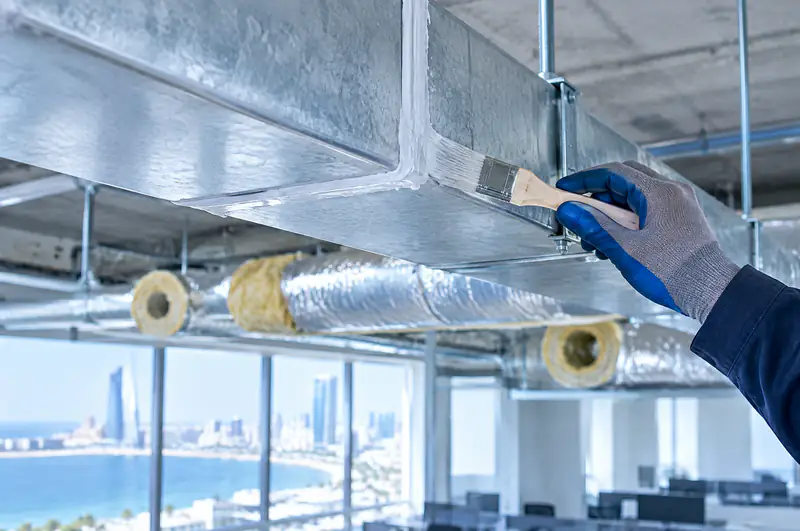
We seal every joint with Foster sealants to stop air leakage, then insulate the duct with Armaflex or Kimmco to prevent condensation in Jeddah's humid air and keep the air cold along its full run.
- 4
Check and hand over
We run the system and confirm that air comes from every diffuser, then address any diffuser that seems weak before the false ceiling is closed and the site is handed over.
Planned routing or quick routing?
| Alrabih | The usual way | |
|---|---|---|
| Joints | Sealed with Foster sealants | Tape that fails in heat |
| Insulation | Full Armaflex or Kimmco | Patchy or missing |
| Hangers | Correct spacing, no sag | Too few, duct sags |
| Branch takeoffs | Positioned to balance airflow | Wherever space allows |
| Duct route | Planned at survey | Decided on site |
Everything your AC needs, from one team
From system design and duct fabrication to installation, commissioning and maintenance.

Split AC installation
Request this serviceDuct installation
Request this serviceCentral AC installation
Request this serviceDuct fabrication
Request this serviceCold room installation
Request this serviceElectro-mechanical works
Request this serviceChiller & AHU installation
Request this serviceHVAC design
Request this serviceAC repair & faults
Request this serviceAC cleaning
Request this serviceRefrigerant charging
Request this serviceCentral AC maintenance
Request this serviceChiller maintenance
Request this serviceAC removal & refitting
Request this serviceDuct cleaning & sanitising
Request this serviceAC servicing by brand
Request this serviceOperation & maintenance contracts
Request this serviceAHU maintenance
Request this serviceFridge & freezer service
Request this serviceCold rooms
Request this serviceDisplay fridges & chillers
Request this serviceFactory HVAC
Request this serviceWarehouse HVAC
Request this serviceVilla & home HVAC
Request this serviceHotel HVAC
Request this serviceSchool HVAC
Request this serviceHospital HVAC
Request this serviceMosque HVAC
Request this serviceMall & retail HVAC
Request this serviceRestaurant & cafe HVAC
Request this service






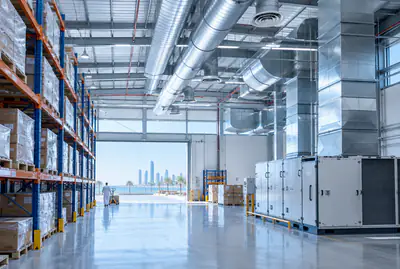







Some of our work
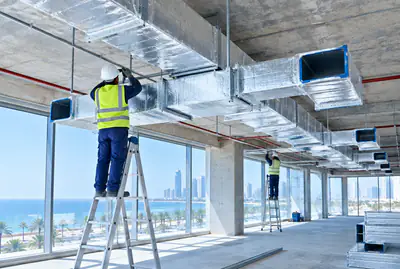
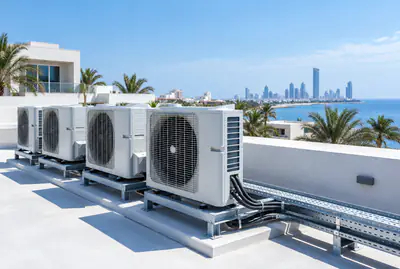
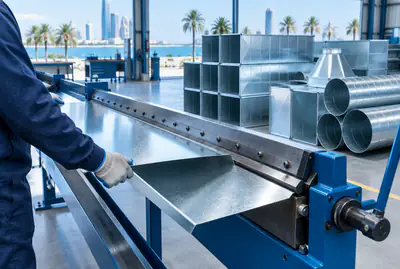
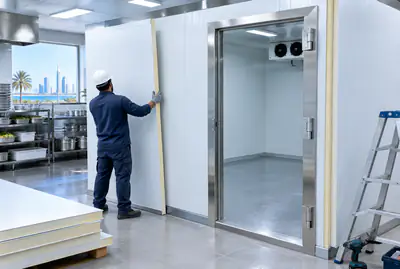
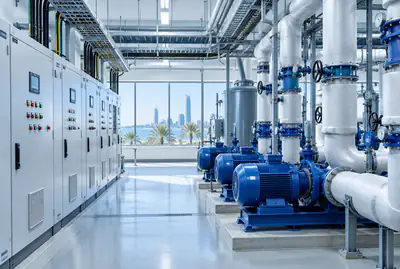
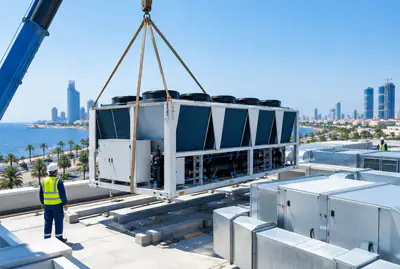
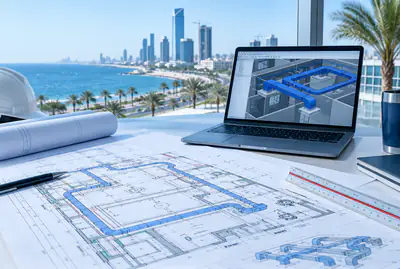
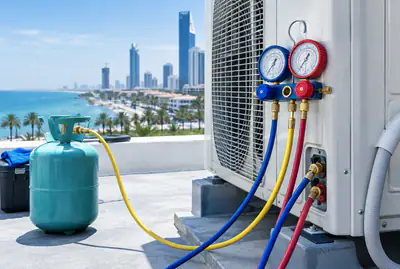
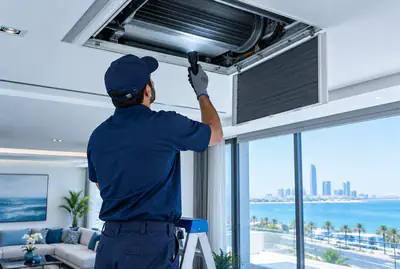
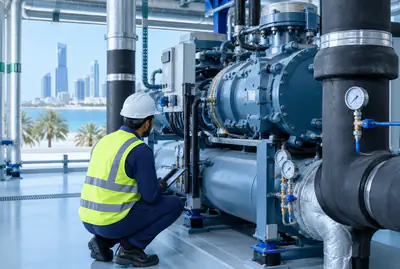
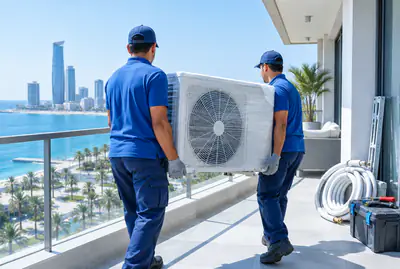
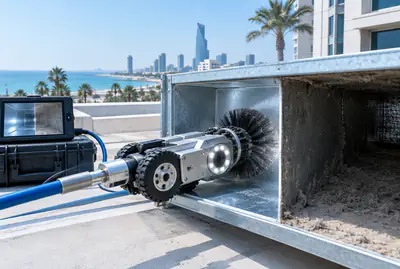
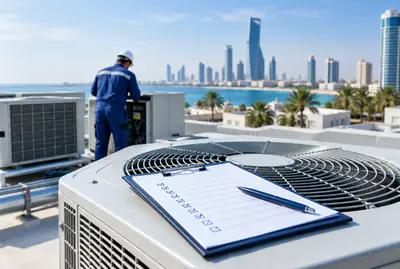
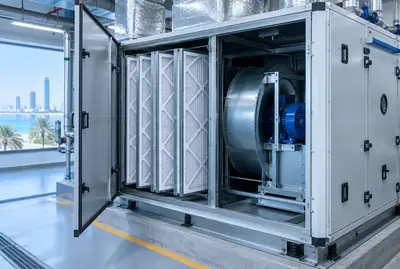
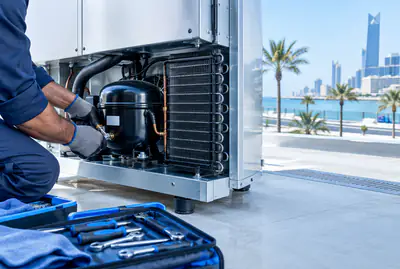
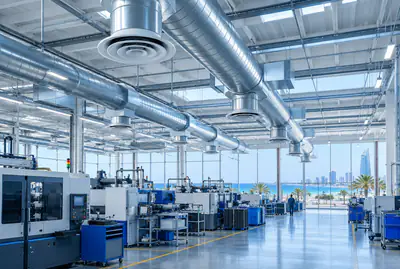
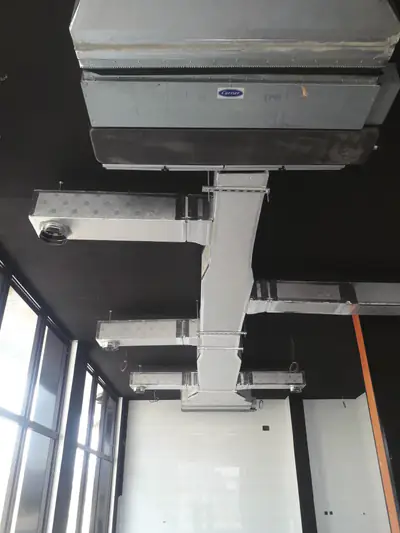
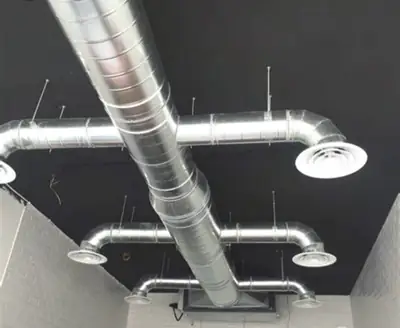
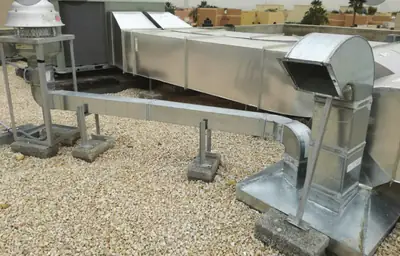
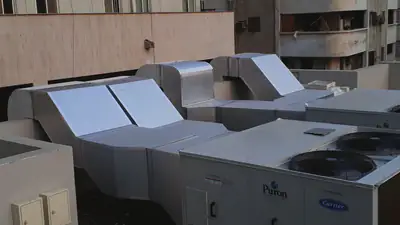
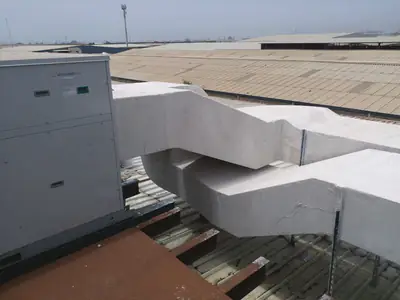
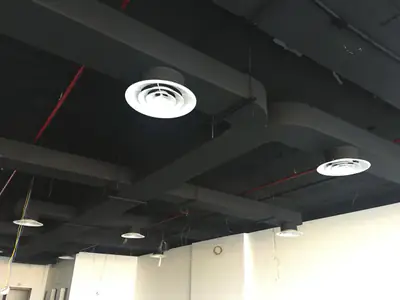
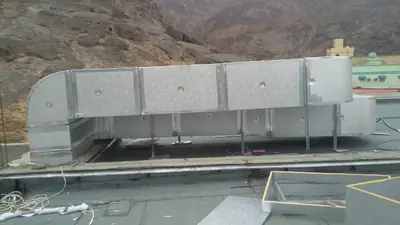
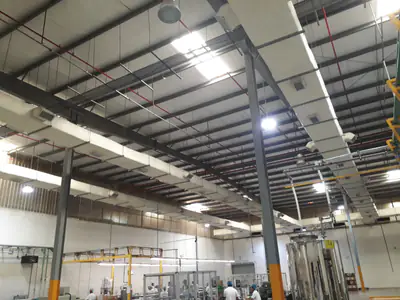
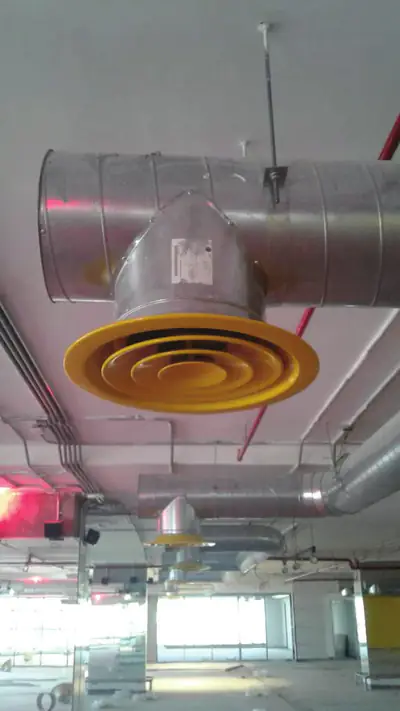
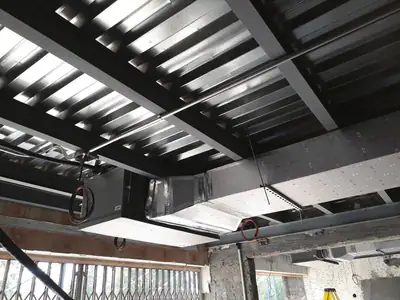
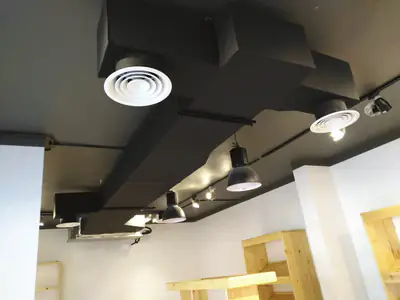
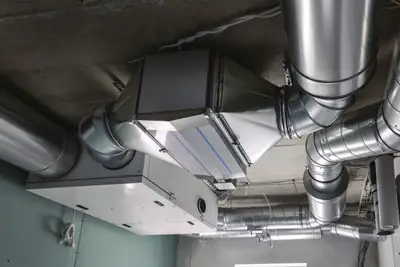
Ductwork, rooftop units and diffusers, from work we've completed in Jeddah.
Customer reviews
What our customers say
- Muhammadramzan 2641
“MashaaAllah. Services are so good. Behaviour and kindness 100/100. Prices are less then Market. Fully recommended”
- shahzeb armani
“Wow. Prices are so comfortable. Outstanding services. People are so talented and nice”
- Tawfik AlyawerLocal Guide
“U can find all u need for air conditioning”
Your satisfaction matters to us! If you had a great experience with us, we'd love a 5-star rating and a kind review.
Worked with us? Leave a reviewService areas
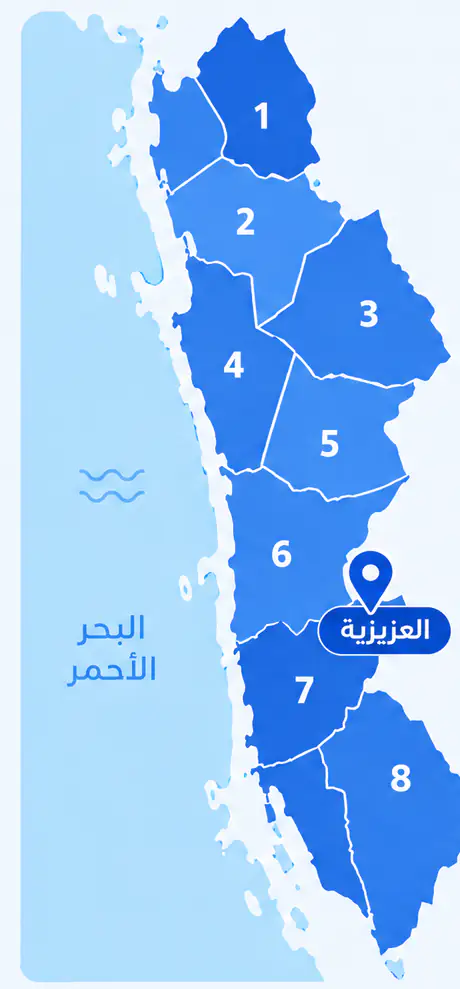
We come to you anywhere in Jeddah
From Al Shiraa and Al Yaqout in the north to Al Thaghr and Al Quraiyat in the south, with our base in Al Aziziyah.
What sets this district apart
Al Fadilah features relatively modern buildings of 5 to 7 storeys with standardised flat sizes, making a uniform duct system feasible for all units. These buildings have pre-routed duct channels and pipe chases that provide a pre-planned path. The challenge is that small flats need precise, low-velocity outlets without strong draughts, and condensation can form in vertical branches because external humidity and heat are high. Installation requires coordination with building management and existing residents.
Al Fadilah is in south Jeddah, a district of dense modern blocks of 5 to 7 storeys, mostly standardised-size residential flats.
The central duct system typically serves 10 to 20 flats from a single cooling unit, using an existing design shaft for the vertical spine.
The AC setup in Al Fadilah
- 1
Single central unit for 10 to 20 flats
The outdoor unit sits on the roof, the vertical spine runs through the existing design shaft, then short horizontal branches serve each flat.
- 2
Low-profile outlets with low air velocity
Outlets are compact and shallow, angled to distribute air without strong draughts in compact rooms.
- 3
Dampers and zone control
Each main horizontal branch has a damper, and zone controls may limit airflow to unoccupied floors.
Before the visit
Before our visit in Al Fadilah
- 1
Verify the design shaft and its dimensions
Ensure the shaft can accommodate the main duct freely and is clear of other electrical or water piping.
- 2
Coordinate timing with management and occupants
Installation may require access to flats and common areas. Agree on a schedule that coordinates with occupancy.
- 3
Prepare the rooftop outdoor unit location
Ensure the roof is safe for work, with adequate space away from other equipment and existing vents.
More districts for Duct installation
Other services in Al Fadilah
FAQ
Questions about Duct installation
How do you know the existing network can carry an extension?
Before any extension the technician checks the main duct dimensions and existing branch takeoffs, and measures air velocity at the current diffusers. If velocity is already low or the main run is narrow, he explains what must be corrected first. The site survey determines whether the extension is feasible on the existing network or whether the supply section needs to be enlarged.
Why does moisture form on the duct above the false ceiling?
Warm humid air trapped above the false ceiling meets the cold duct surface and moisture condenses on the outside of the duct wall. The most common cause is torn insulation or open joints that let warm air reach the bare metal. Armaflex or Kimmco insulation is fitted around the full perimeter and every joint is sealed with Foster sealants so no path remains for outside air to reach the duct surface.
Can you re-hang sagging duct without replacing the whole network?
Usually yes. The technician first identifies the cause of the sag: a failed hanger, a loose anchor point in the ceiling structure, or deformation of the duct itself. If the duct is undamaged, hangers are repositioned and spaced to prevent the sag from recurring. If the duct is deformed or the insulation has failed, the technician explains what needs replacing before re-hanging proceeds.
When is a damper needed at a branch takeoff?
A damper is fitted at a branch takeoff when the cooling load differs between zones connected to the same main duct run, for example a room with a large window compared with an interior corridor. Without a damper the path of least resistance takes most of the air and the other rooms receive less. The site survey identifies which branch points require a damper and which can be balanced by adjusting the takeoff size alone.
Can duct runs be extended after the false ceiling is closed?
It is usually possible by opening access panels or cutting limited sections in the false ceiling to reach the void above. The technician maps the route before starting to keep the number of openings to a minimum. Once the duct run, insulation and sealing are complete, panels are refitted or the cut sections are restored. The complexity and number of openings depend on the false ceiling type and any obstructions present, which the site survey establishes.
The building is new and has a design shaft, does this save cost and time?
Yes, the existing shaft provides a ready path, but we check its dimensions and condition first. A pre-quote site visit confirms adequate space and compatibility.
The flats are very small, will the outlets cause strong draughts?
We use low-velocity outlets angled to distribute air gently, sizing airflow precisely to each flat's volume.
Humidity is high and the sea is close, will condensation form in the duct?
We use thick Armaflex insulation and install condensation traps in vertical branches to collect and drain moisture.
One building has twenty flats, how do you balance the flow?
We size branches with varying diameters based on distance and load, installing dampers on main branches. Post-fitting flow testing confirms balance across all units.