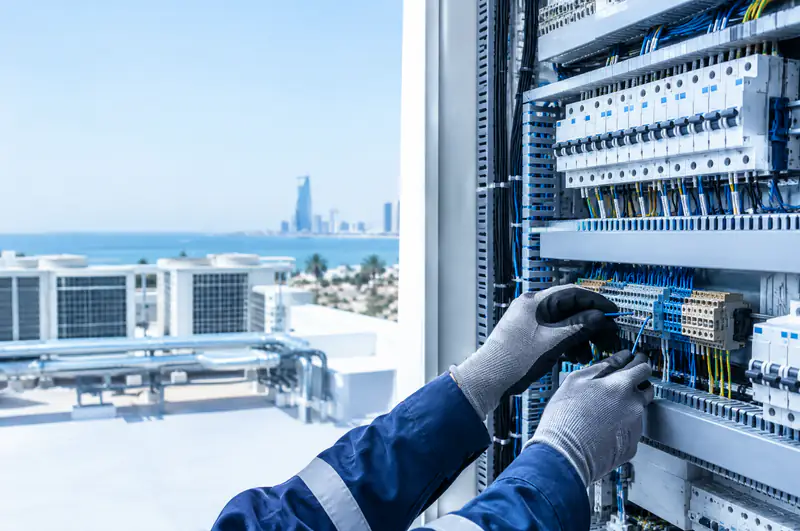

HVAC electro-mechanical
Electro-mechanical works in Taiba
In Taiba, North-East Jeddah, large residential and commercial projects need centralised cooling systems with robust electrical panels and precise control wiring. Alrabih delivers full electro-mechanical works from design through testing and commissioning.
- Power panels
- Control automation
- Site coordination
Clients We're Proud to Serve
Organisations and companies that trusted Alrabih with their projects.





























When these works are needed
- 1
A new central HVAC project
In commercial, government and industrial buildings, fitting units and ducts is not enough. You need electrical runs sized for the loads, a control panel that starts and stops equipment in the right order, and pumps and pipework designed for the building.
- 2
Extending an existing HVAC system
Adding units or new control zones means extra load on the panel and new control cabling. We review the available capacity on site and define what the extension needs before any work starts.
- 3
Electrical faults stopping the equipment
A unit that will not start despite being in good order, a pump that burns out repeatedly, breakers tripping for no clear reason: these are usually a wiring or panel problem, not a fault in the equipment, and need diagnosis from a technician who understands both sides.
Who it's for
Building a new commercial or government project
We review drawings with the main contractor and take on power panels, electrical runs, control automation, pumps and ventilation from start to handover.
Ask on WhatsAppYour HVAC equipment keeps breaking down
We diagnose the electrical and mechanical side of the system and identify whether the fault is in the panel, the wiring or the control circuits before any work begins.
Ask on WhatsApp
What the works cover
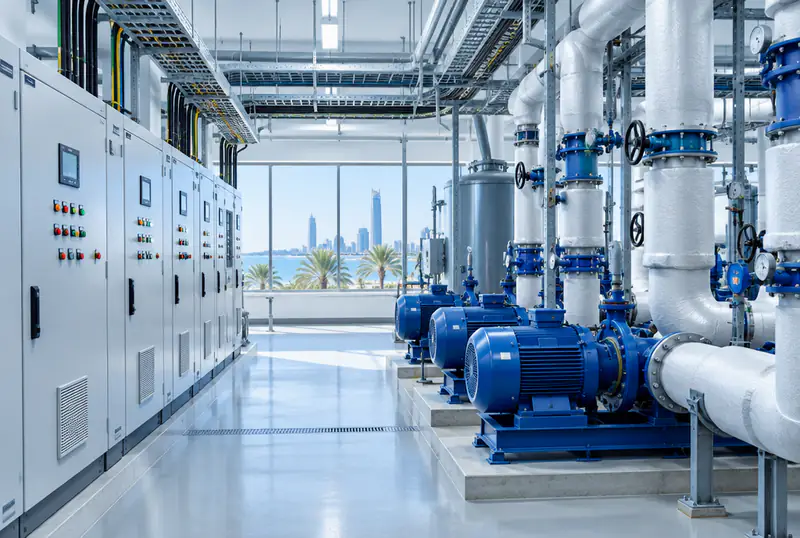
- Power panels and load distribution
- Electrical runs for HVAC
- Automation and control circuits
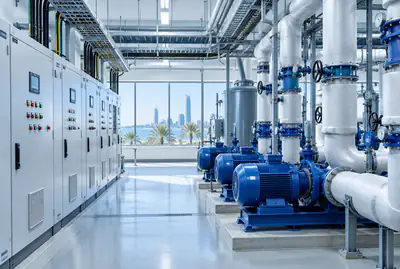
- Pumps and pipework installation
- Ventilation and exhaust fans
How we work
How we work
- 1
Review project drawings
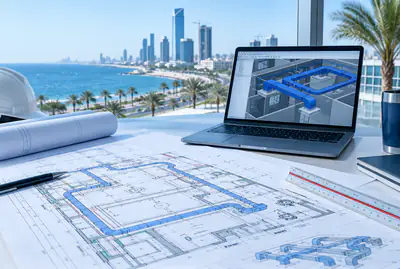
We go through the electrical and mechanical drawings with the designer or main contractor and define the power requirements and cable routes before any materials are prepared.
- 2
Site coordination
Electro-mechanical works cross paths with civil works and finishes. We follow the site programme and agree the sequence with other contractors so no trade is held up by a clash.
- 3
Run cables and fit equipment
We pull cables, mount panels, pumps and ventilation fans, then wire the control and automation circuits according to the approved site drawings.
- 4
Coordinated testing and start-up
We test each circuit individually then run the full system together with the AC equipment, checking that automation starts and stops everything in the right order before handover.
Planned coordination or clashes that delay the project?
| Alrabih | The usual way | |
|---|---|---|
| Electrical panel | Sized for the actual load | Rough sizing causes problems later |
| Control wiring | Documented to drawings | Run without documentation |
| Site coordination | Followed with every trade | Each trade works in isolation |
| Start-up test | Full test before handover | Faults found after handover |
| Change documentation | Recorded at handover | Verbal changes, no record |
Everything your AC needs, from one team
From system design and duct fabrication to installation, commissioning and maintenance.

Split AC installation
Request this serviceDuct installation
Request this serviceCentral AC installation
Request this serviceDuct fabrication
Request this serviceCold room installation
Request this serviceElectro-mechanical works
Request this serviceChiller & AHU installation
Request this serviceHVAC design
Request this serviceAC repair & faults
Request this serviceAC cleaning
Request this serviceRefrigerant charging
Request this serviceCentral AC maintenance
Request this serviceChiller maintenance
Request this serviceAC removal & refitting
Request this serviceDuct cleaning & sanitising
Request this serviceAC servicing by brand
Request this serviceOperation & maintenance contracts
Request this serviceAHU maintenance
Request this serviceFridge & freezer service
Request this serviceCold rooms
Request this serviceDisplay fridges & chillers
Request this serviceFactory HVAC
Request this serviceWarehouse HVAC
Request this serviceVilla & home HVAC
Request this serviceHotel HVAC
Request this serviceSchool HVAC
Request this serviceHospital HVAC
Request this serviceMosque HVAC
Request this serviceMall & retail HVAC
Request this serviceRestaurant & cafe HVAC
Request this service



Some of our work
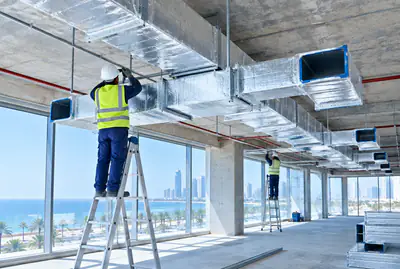
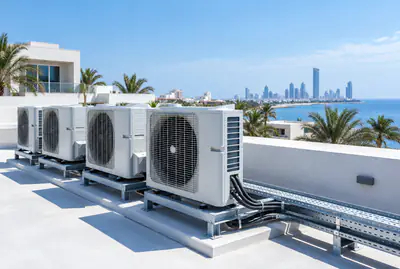
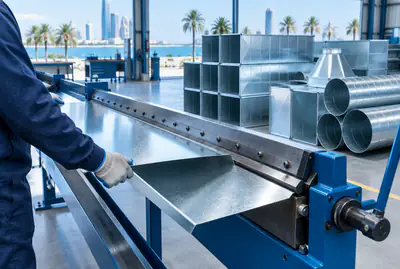
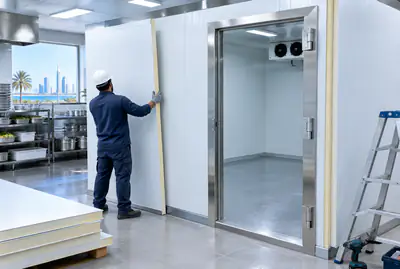
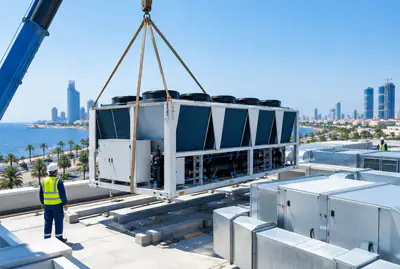
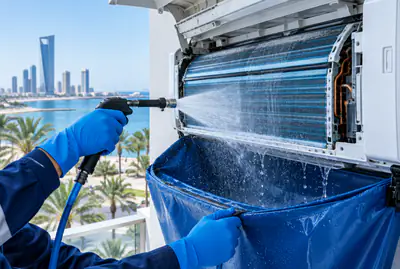
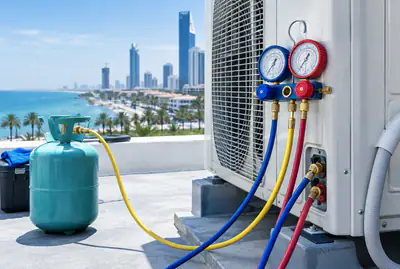
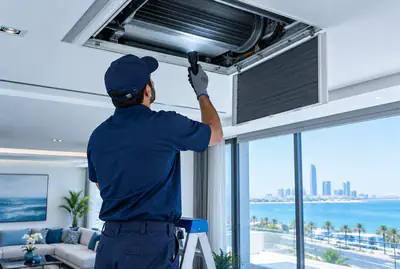
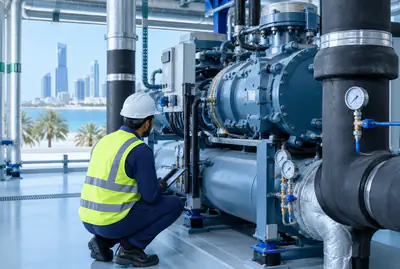
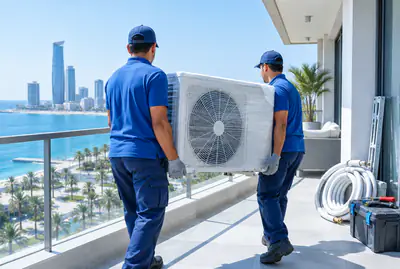
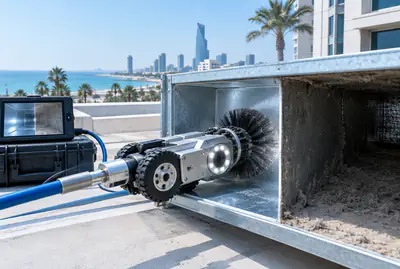
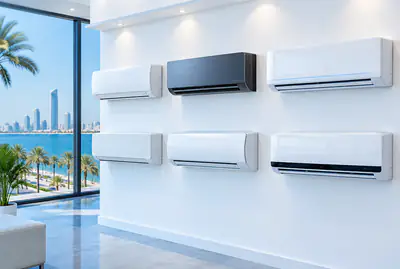
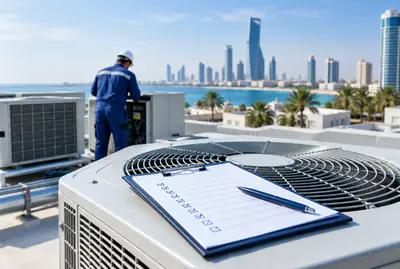
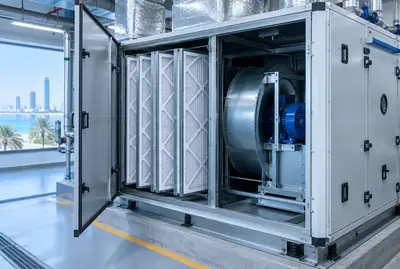
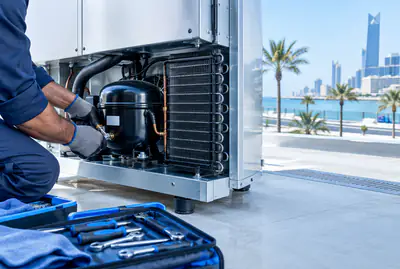
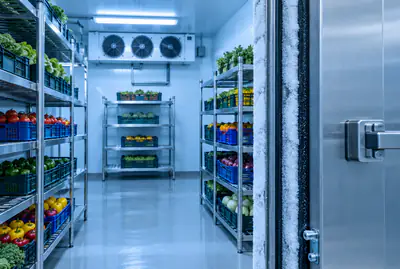
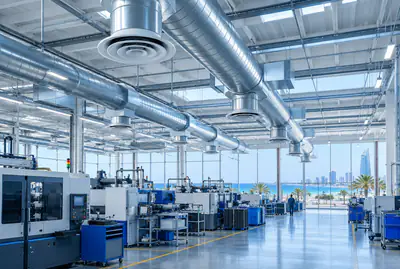
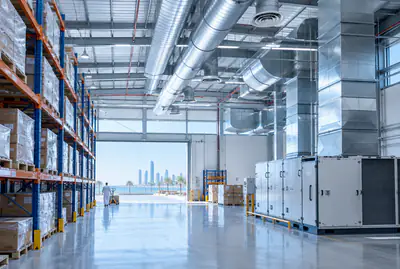
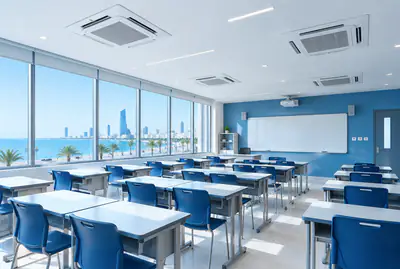
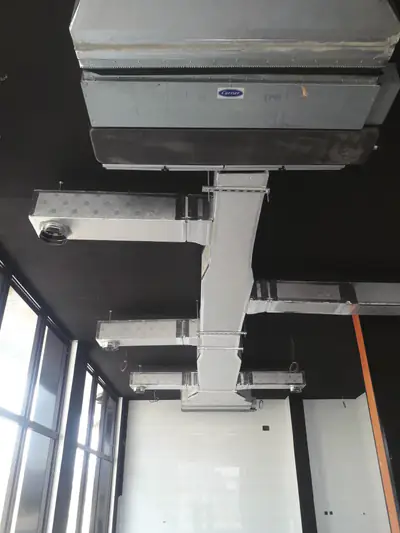
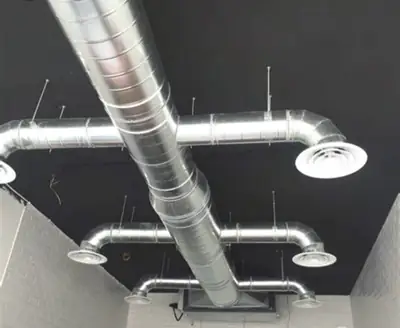
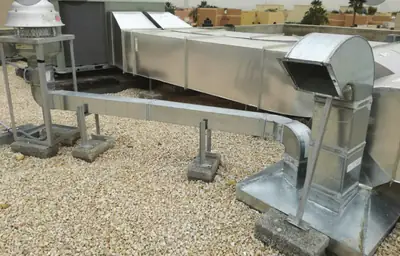
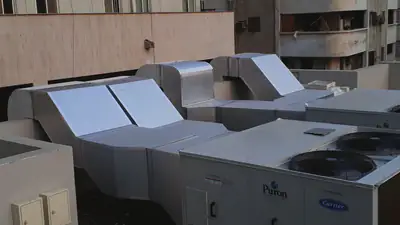
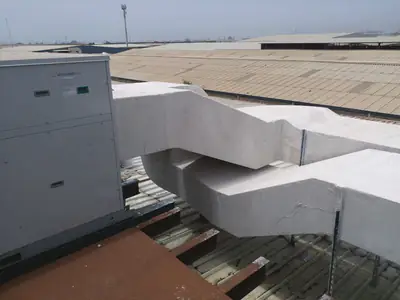
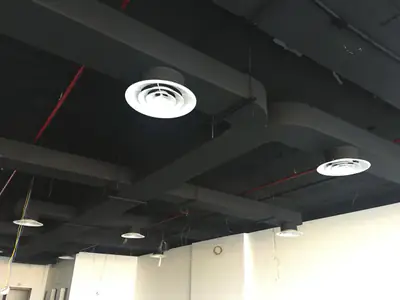
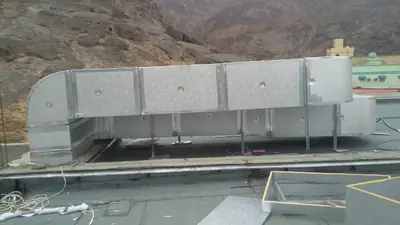
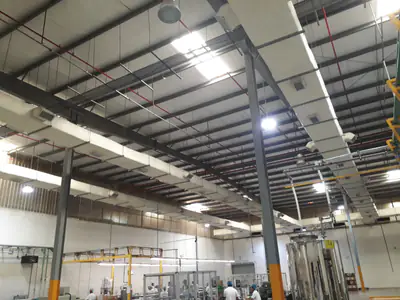
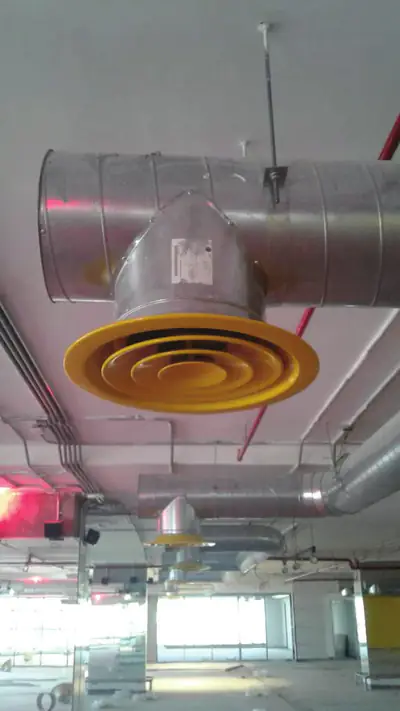
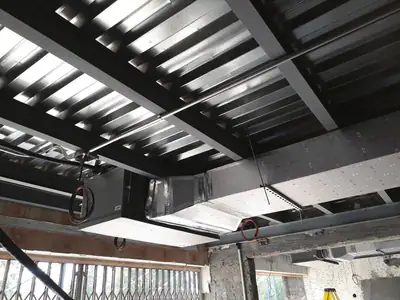
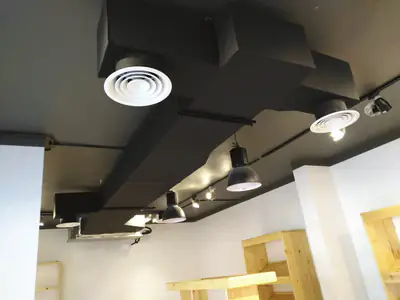
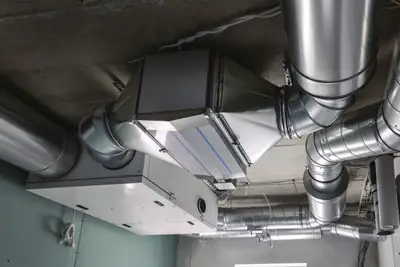
Ductwork, rooftop units and diffusers, from work we've completed in Jeddah.
Customer reviews
What our customers say
- Muhammadramzan 2641
“MashaaAllah. Services are so good. Behaviour and kindness 100/100. Prices are less then Market. Fully recommended”
- shahzeb armani
“Wow. Prices are so comfortable. Outstanding services. People are so talented and nice”
- Tawfik AlyawerLocal Guide
“U can find all u need for air conditioning”
Your satisfaction matters to us! If you had a great experience with us, we'd love a 5-star rating and a kind review.
Worked with us? Leave a reviewService areas
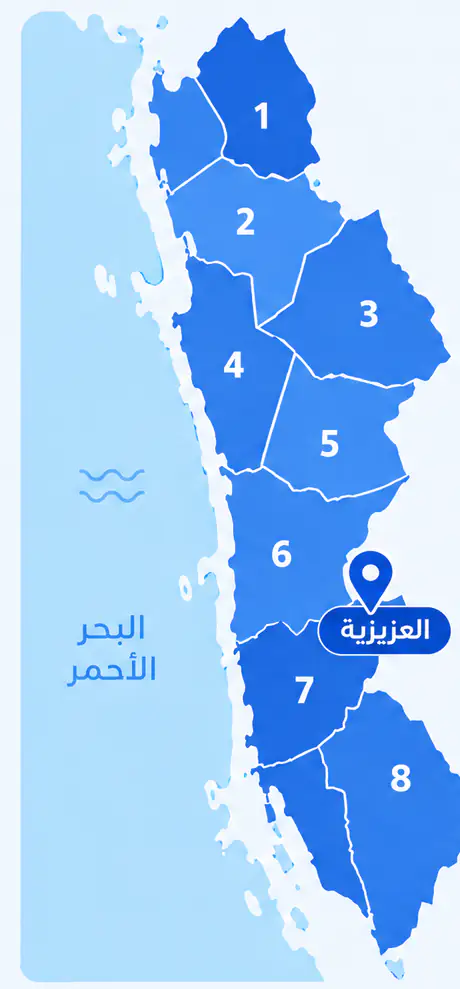
We come to you anywhere in Jeddah
From Al Shiraa and Al Yaqout in the north to Al Thaghr and Al Quraiyat in the south, with our base in Al Aziziyah.
What sets this district apart
Taiba is a fast-growing area with dense residential projects, commercial towers and apartment complexes, each needing a strong central AC system with a complex electrical panel to coordinate power and control across multiple units. Swift, precise coordination between the electro-mechanical team, main contractor and site engineer is essential because these projects move fast with no time for delay. The dust and high heat in the north-east means extra protection for cables and connections against corrosion and cracking.
Taiba is in North-East Jeddah, an area of rapid urban growth with dense residential and commercial towers.
Most projects here rely on large central pumps and advanced electrical panels with complex protection systems, since unit counts are high and electrical loads are heavy.
The AC setup in Taiba
- 1
Advanced electrical panel with complex protection systems
Large Taiba projects need a sophisticated panel with individual switches and monitoring devices to manage very heavy electrical loads.
- 2
Heavy-duty central pumps and fans
Dense projects need large pumps and banks of parallel fans, connected to a separate panel with three-phase power supply.
- 3
Control wiring protected from dust and heat
Supply wires and control lines run through heavy metal conduit with thermal insulation, protecting against dust and high temperatures.
Before the visit
Before our visit in Taiba
- 1
Meet with the site engineer and main contractor
Before starting, gather on site to pinpoint the main panel, pump and fan locations, and exact cable routes.
- 2
Prepare up-to-date engineering drawings
Ensure electrical and mechanical drawings are current and match site reality, especially cable routes and connection points.
- 3
Confirm the main power source and earthing
Ensure the main power inlet is ready and the primary earthing point is safe and documented before start day.
More districts for Electro-mechanical works
Other services in Taiba
FAQ
Questions about Electro-mechanical works
Can you handle the electro-mechanical works when there is already another civil contractor on site?
Yes. We work as a specialist subcontractor alongside the main contractor, coordinating cable routes, pipework and equipment positions with the other trades on site. Before work begins, we identify where our scope crosses the civil and structural work and agree on the sequence of installation to avoid clashes.
What is the difference between the power circuit and the control circuit in an HVAC project?
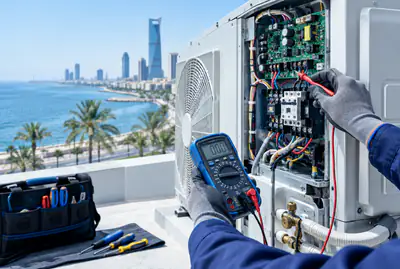
The power circuit carries current from the panel to the compressor, motor or fan; cable size is set by the load. The control circuit carries low-voltage signals between sensors, thermostats and the controller; it issues run, stop and modulation commands. A fault in either circuit disables the whole system, so each is routed and terminated independently.
Does your work include connecting the automation system to a building management network?
Yes, when a building management network is already present on site. We connect the HVAC control units to the designated interface points and test signal exchange between the two sides. Protocol details and configuration are agreed with the team responsible for the building management network before installation begins.
How do you handle a clash between cable routes and ducts or pipework?
We identify clashes at the planning stage before installation starts, then consult the relevant trades to agree on an alternative route. If a site resolution is not possible, the clash is escalated to the project supervisor for a decision. Priority is always given to keeping the correct bending radius for cables and the required fall on condensate drain pipes, as compromising either affects system performance.
How do you handle a clash between cable routes and ducts or pipework?
Clashes between cable routes, ducts and pipework are common on medium and large projects. We identify them during the drawing review stage, before any trenching or pulling begins, and agree an alternative route with the trades involved. Changing a route on paper is far simpler than reworking it on site.
Do dense projects here need very complex electrical panels?
Yes, projects with dozens of indoor units need an advanced panel with individual protective switches per circuit and sophisticated monitoring and control systems.
Project schedules here are very tight; how do you avoid delays?
We start from the design phase with close coordination with the site engineer, setting a separate work schedule linking material delivery, execution and testing.
Does the heat and dust here damage cables and connections?
Yes, high heat and dust corrode connections quickly, so we use heavily shielded cables and rust-painted metal conduit for protection.
Do you test the panel before final handover?
Yes, we run comprehensive tests on every circuit and protection device, verify fan and pump operation after connection, and deliver a documented test report.