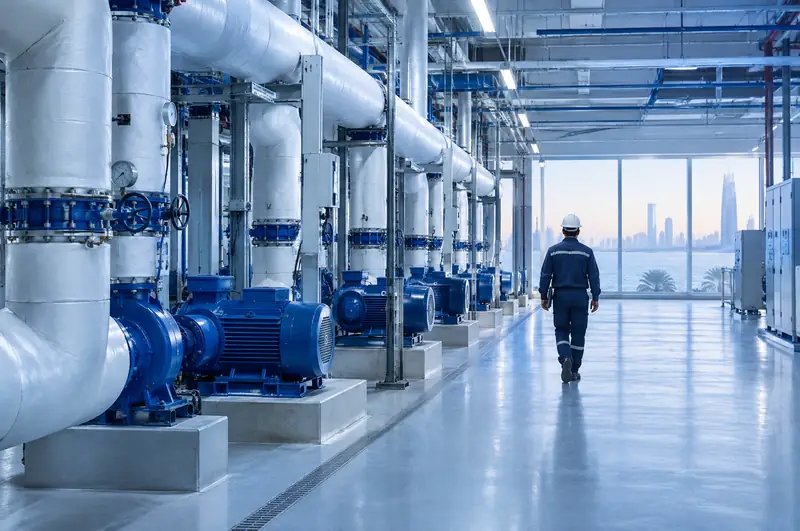

One contractor, whole plant
Operation & maintenance contracts in Obaid
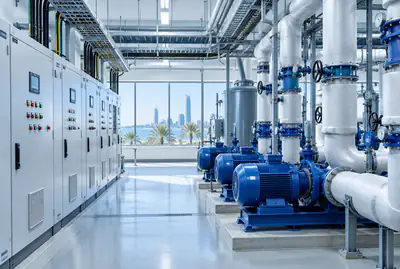
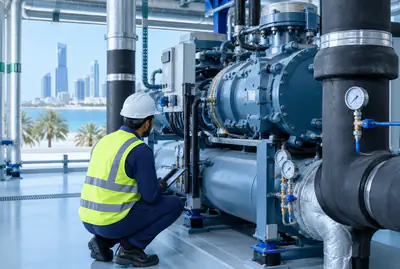
In Obaid, south Jeddah, large hospitals and hotels rely on complex central cooling systems linking chillers, air handlers, pumps, ducts and controls together. Our operation and maintenance contracts keep all these interconnected systems running without interruption through Jeddah's intense summer heat.
- Daily operation
- Preventive maintenance
- Documented reports
Clients We're Proud to Serve
Organisations and companies that trusted Alrabih with their projects.

























Who needs an operation and maintenance contract?
- 1
A facility without an in-house team
Hotels, factories and government buildings need someone daily to start chillers, watch pumps and log readings. Without a specialist team, a small fault grows before anyone notices.
- 2
A facility with repeated breakdowns
Repeated breakdowns usually point to missed preventive work: a blocked filter, a compressor running under load, a worn pulley in an AHU. A contract catches these causes before they become full failures.
- 3
A government or hotel project that requires records
Some government and hotel clients require operating logs and regular maintenance reports. We produce these on schedule and keep them available whenever you need them.
Who it's for
Managing a hotel where the HVAC plant runs all day
We handle daily operation of chillers, AHUs and pumps, and produce the reading logs and reports your hotel management requires.
Ask on WhatsAppRunning a factory where an HVAC stoppage halts production
We carry out preventive maintenance on compressors, coils and valves on schedule so your production line is not stopped in Jeddah's summer, and we repair any fault as soon as it appears.
Ask on WhatsApp
What the contract covers
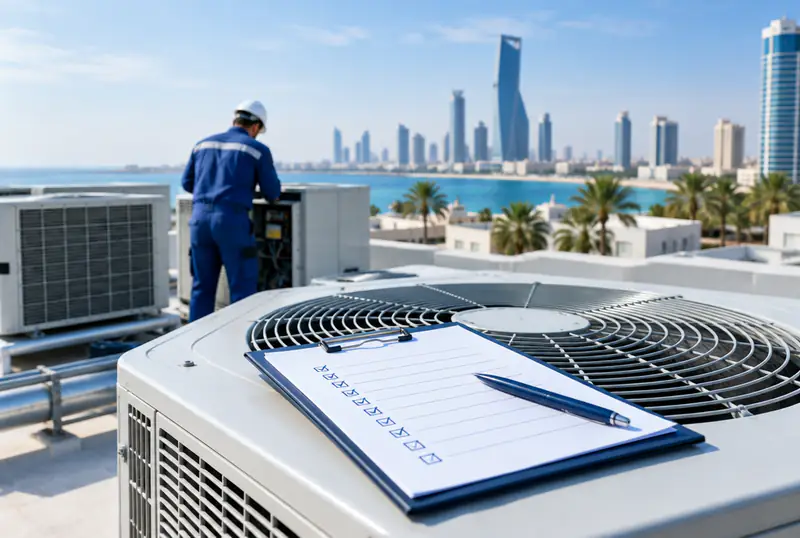
- Daily chiller and pump operation
- Preventive equipment and duct maintenance
- Fault repair and parts replacement
- Performance testing and readings log
- Periodic facility management reports
How we work
How we work
- 1
Site survey and plant assessment
We visit the facility and record all HVAC equipment, assessing the condition of each unit before signing, because the scope depends on what the survey finds.
- 2
Agree scope and schedule
We set the preventive maintenance schedule with you, define the daily operating tasks and each party's responsibilities, and agree the format and frequency of reports.
- 3
Start operations and preventive work
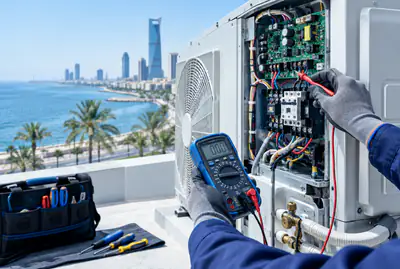
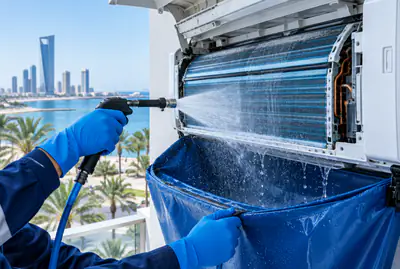
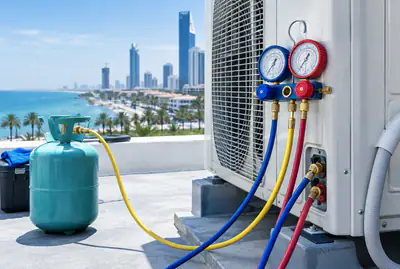
Our team handles daily operation and carries out preventive work on schedule: cleaning coils, inspecting compressors, testing valves and manifolds, and logging readings each round.
- 4
Regular reports and ongoing follow-up
We send periodic reports covering work completed, observations and any parts replaced, so facility management stays fully informed about the plant's condition.
A full contract or repair-only calls?
| Alrabih | The usual way | |
|---|---|---|
| Accountability | One contractor follows all | No clear party |
| Fault detection | Before breakdown | After the equipment stops |
| Documentation | Regular logs and reports | No records kept |
| Major fault costs | Reduced by prevention | Arrive unplanned |
| Reading logs | Recorded every round | Left to operator if any |
Everything your AC needs, from one team
From system design and duct fabrication to installation, commissioning and maintenance.

Split AC installation
Request this serviceDuct installation
Request this serviceCentral AC installation
Request this serviceDuct fabrication
Request this serviceCold room installation
Request this serviceElectro-mechanical works
Request this serviceChiller & AHU installation
Request this serviceHVAC design
Request this serviceAC repair & faults
Request this serviceAC cleaning
Request this serviceRefrigerant charging
Request this serviceCentral AC maintenance
Request this serviceChiller maintenance
Request this serviceAC removal & refitting
Request this serviceDuct cleaning & sanitising
Request this serviceAC servicing by brand
Request this serviceOperation & maintenance contracts
Request this serviceAHU maintenance
Request this serviceFridge & freezer service
Request this serviceCold rooms
Request this serviceDisplay fridges & chillers
Request this serviceFactory HVAC
Request this serviceWarehouse HVAC
Request this serviceVilla & home HVAC
Request this serviceHotel HVAC
Request this serviceSchool HVAC
Request this serviceHospital HVAC
Request this serviceMosque HVAC
Request this serviceMall & retail HVAC
Request this serviceRestaurant & cafe HVAC
Request this service









Some of our work
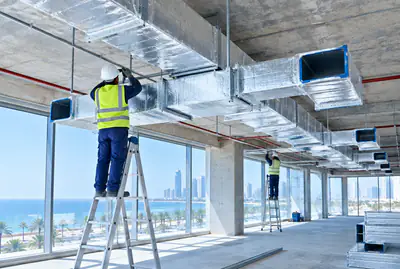
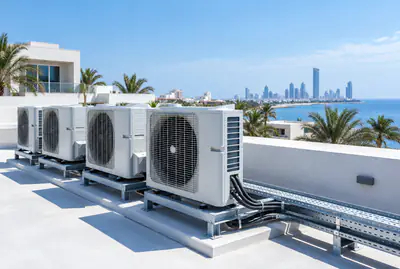
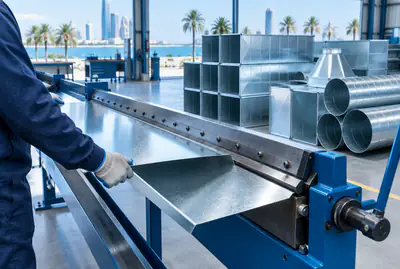
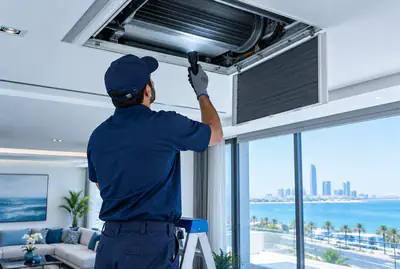
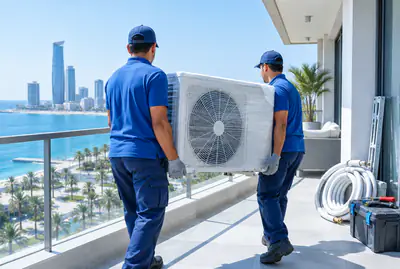
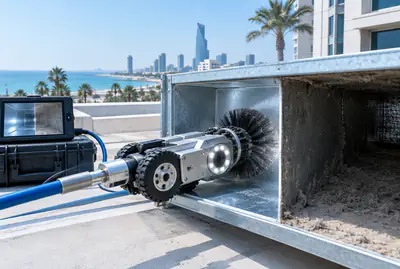
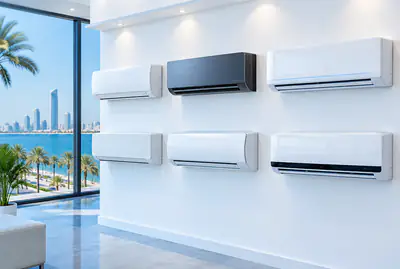
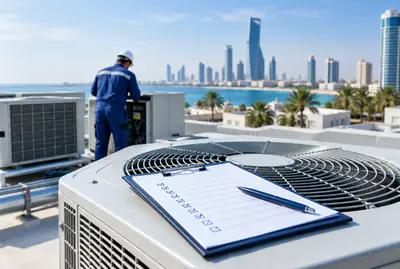
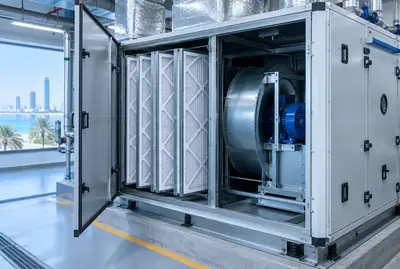
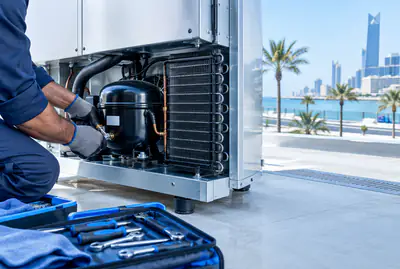
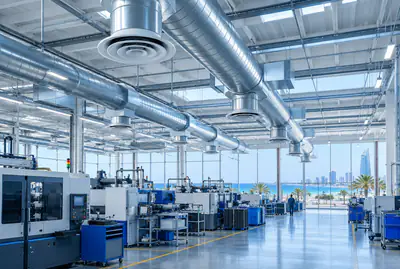
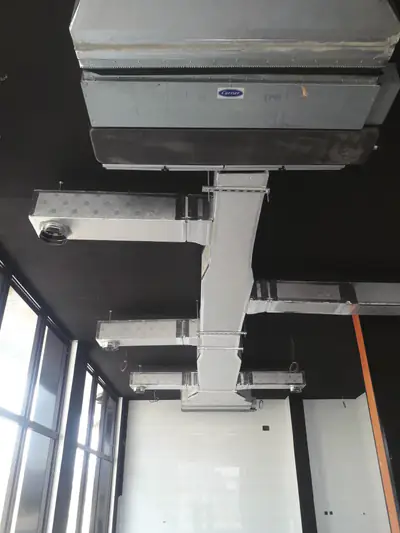
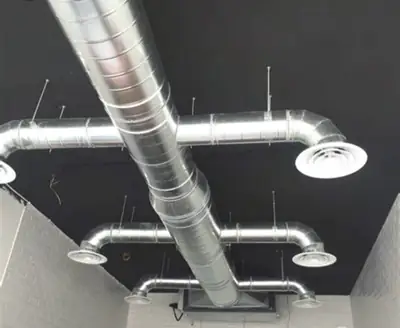
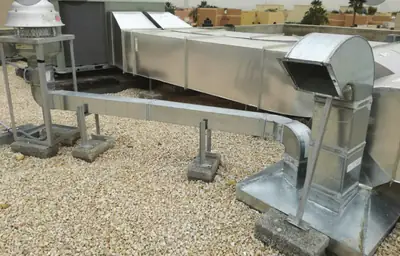
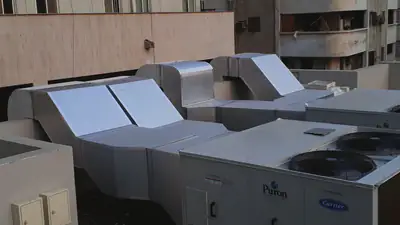
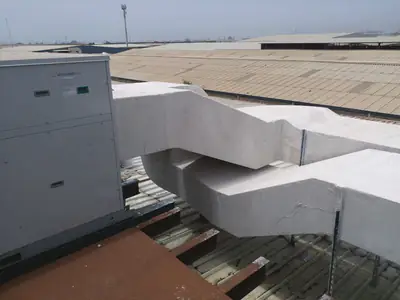
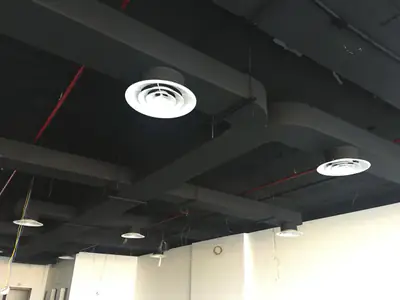
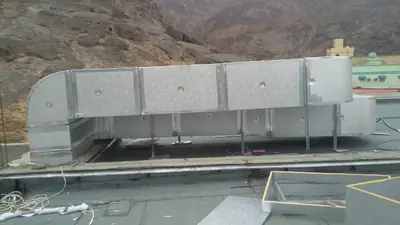
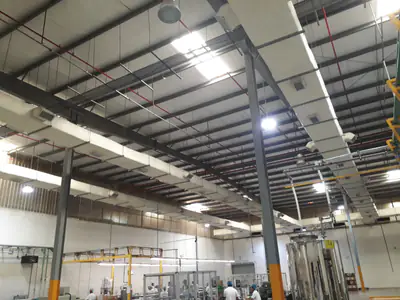
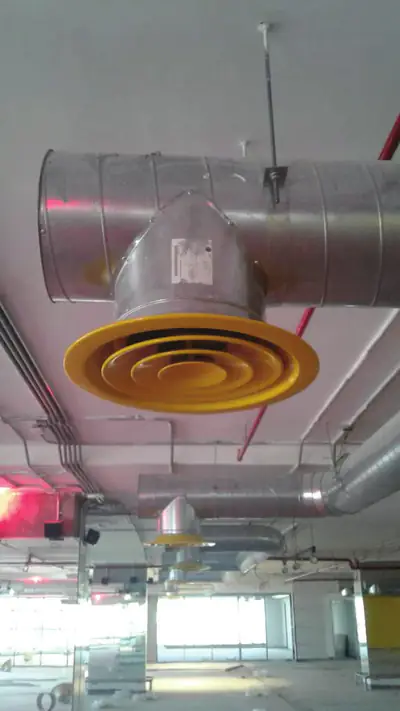
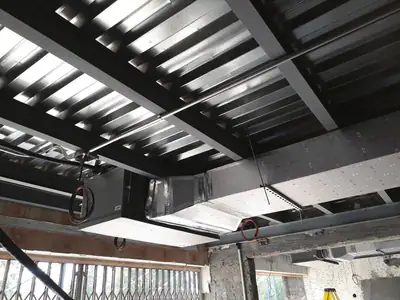
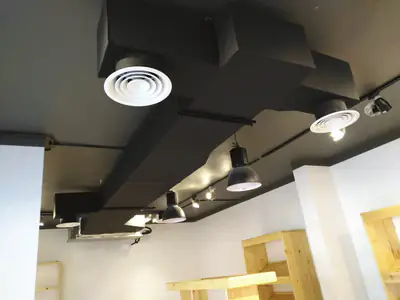
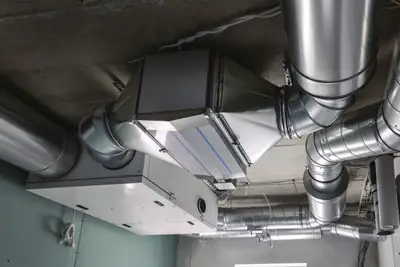
Ductwork, rooftop units and diffusers, from work we've completed in Jeddah.
Customer reviews
What our customers say
- Muhammadramzan 2641
“MashaaAllah. Services are so good. Behaviour and kindness 100/100. Prices are less then Market. Fully recommended”
- shahzeb armani
“Wow. Prices are so comfortable. Outstanding services. People are so talented and nice”
- Tawfik AlyawerLocal Guide
“U can find all u need for air conditioning”
Your satisfaction matters to us! If you had a great experience with us, we'd love a 5-star rating and a kind review.
Worked with us? Leave a reviewService areas
We come to you anywhere in Jeddah
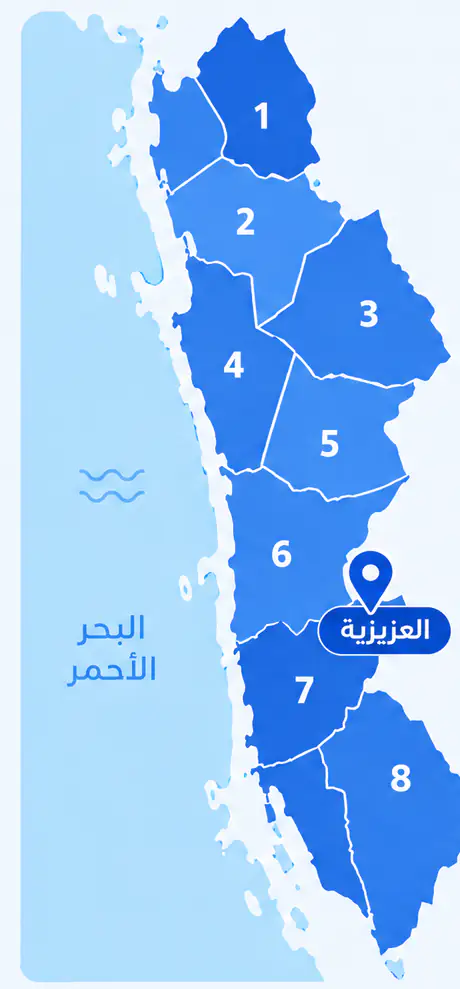
From Al Shiraa and Al Yaqout in the north to Al Thaghr and Al Quraiyat in the south, with our base in Al Aziziyah.
What sets this district apart
Obaid hosts large medical complexes, hotels and specialist clinics, each needing a reliable cooling system and regular maintenance. These buildings run their HVAC systems year-round under very high load, so chillers, pumps and central ducts must be inspected, cleaned and serviced on a strict schedule to prevent sudden breakdown or leakage. A comprehensive maintenance contract hands you full oversight and gives you clear monthly reports on system health.
Obaid lies in south Jeddah, a district of large medical and hospitality buildings with complex central cooling systems.
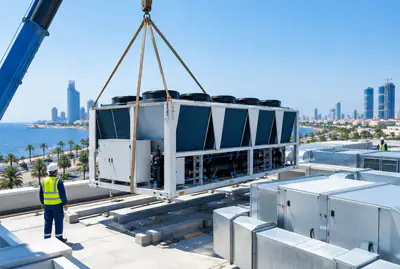
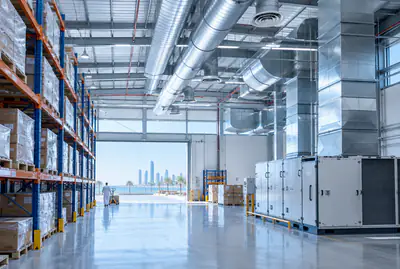
Most medical and hospitality buildings here are fitted with large-capacity chillers and multi-unit air handling plants on the roof.
The AC setup in Obaid
- 1
Multi-unit central chiller system
Large medical and hospitality buildings here use major chillers serving multiple wings or floors, requiring constant monitoring of pressure and flow.
- 2
Air handling units mounted on roofs
Most primary equipment sits on building roofs, meaning direct exposure to dust, extreme heat and sediment buildup.
- 3
Extensive duct distribution network
Systems here have long duct networks linking chillers and units to various floors and departments, requiring periodic cleaning.
Before the visit
Before our visit in Obaid
- 1
Prepare the system layout and equipment list
Send us a diagram or list of chiller, pump and main unit locations, with brand names and models if available.
- 2
Coordinate with your current maintenance team
If you have a current maintenance team, notify them of the visit and initial inspection so they can hand over keys and documentation.
- 3
Ensure roof and equipment access is safe
Ensure building roofs and chiller areas are safe and accessible, with a clear entry point for maintenance tools and gauges.
More districts for Operation & maintenance contracts
Other services in Obaid
FAQ
Questions about Operation & maintenance contracts
Do you handle plant operation as well as maintenance?
We cover both. Our team operates the plant daily: monitoring circuit pressures, water temperatures and flow rates, logging control-panel readings, and adjusting settings to match the load. Alongside daily operation, the contract includes preventive and corrective maintenance, with regular reports submitted to facility management.
What is the difference between preventive and corrective maintenance in your contract?
Preventive maintenance means inspecting components while they are still running: cleaning AHU coils, checking pump belts and fan bearings, verifying copper-pipe connections, and testing condenser and evaporator performance. Corrective maintenance starts when an actual fault is found, such as a tripping breaker, a degraded capacitor or a circuit leak, and the goal is to restore full plant performance.
Can you work on different brands of equipment in the same facility?
Yes. Many facilities combine equipment from several manufacturers on a single network. Our team works with Carrier, YORK, General, Midea, Gree and Smart Gold equipment within one unified operating system. When a contract covers multi-brand equipment, the initial site survey sets the specific procedures for each unit.
What happens when a worn part is found during a preventive maintenance round?
The technician records the finding in the inspection log and notifies the facility supervisor immediately. The extent of the damage and its effect on the rest of the plant is assessed, then the part is replaced or repaired under corrective maintenance before the fault develops and disrupts operation. The full incident is entered in the visit report.
What happens when a worn part is found during a preventive maintenance round?
We record the finding immediately in the round log and inform facility management of the part and the cause of the wear. After approval we replace the part and record it in the maintenance report. The final decision stays with you, and identifying the right part depends on the unit specifications noted in the survey.
What is the difference between a maintenance contract and emergency repairs?
A maintenance contract includes regular inspections, cleaning and preventive repairs before breakdown, plus monthly reports. Emergency repair comes after the AC fails, and that delay can be costly for a hospital or hotel.
Do you manage large chiller systems in hospitals?
Yes, our team is trained on inspecting and servicing large chillers, pumps and auxiliary equipment in medical systems, including pressure, flow and temperature readings.
Summers in Obaid are very hot, how often should outdoor units be cleaned?
In Obaid's extreme heat and coastal humidity, we recommend full condenser and chiller cleaning every two months minimum as part of the contract.
How does the contract help manage the electricity bill?
A clean and balanced system runs at higher efficiency, reducing energy consumption. Regular inspections detect refrigerant leaks or pump faults before they drive up the power load.