
Ducted and central recharge
AC refrigerant charging in Al Ghawla
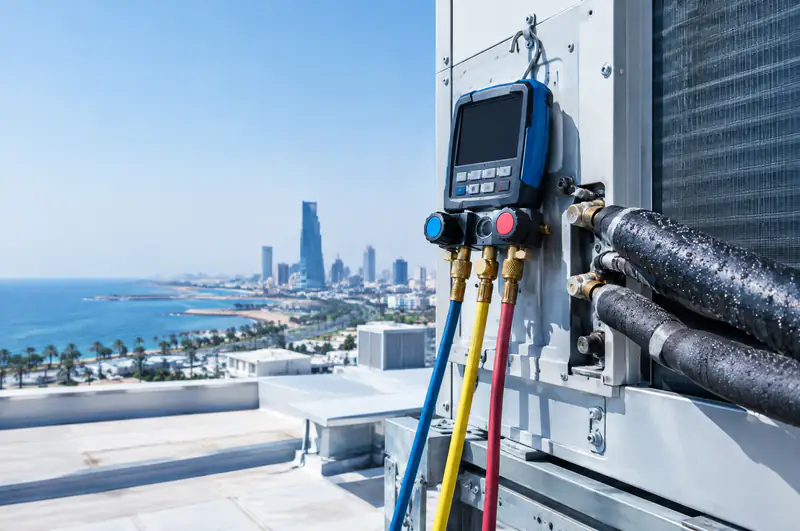
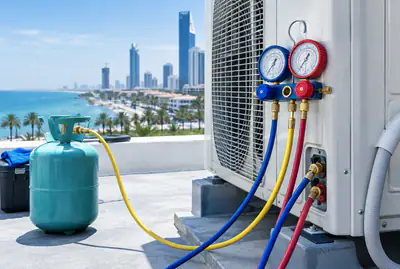
AC refrigerant charging in Al Ghawla requires first measuring pressure and temperature on your central unit before any charging. If we find a leak in the copper lines, we repair it, then vacuum and charge the unit with the correct refrigerant.
- Accurate pressure readings
- Charge recovery
- Nameplate-type charge
Clients We're Proud to Serve
Organisations and companies that trusted Alrabih with their projects.



































When your system needs a refrigerant charge
- 1
Uneven cooling across zones
One office or floor feels hot while the rest of the building is cool. Before adding any refrigerant, the technician reads pressures and temperatures at several points to confirm that a low charge is actually the cause.
- 2
After a repair or component swap
Replacing a compressor, a valve or any part that opens the circuit means the old charge escapes. It must be recovered with a dedicated machine, then the line is vacuumed and recharged after the repair is done.
- 3
A system restarted after long shutdown
A central or rooftop unit shut down for a full season in Jeddah's salty coastal air may have lost part of its charge. We verify with pressure readings before adding anything, and look for a leak if the readings point to one.
Who it's for
Your villa's ducted system has lost its cooling
We read system pressures and line temperatures, find any leak in the long pipe runs, then vacuum and charge to the refrigerant type on the unit nameplate.
Ask on WhatsAppYour building's rooftop unit cools unevenly across floors
We inspect the system and its drawings, measure pressures and temperatures at multiple points to find the cause, then recover the old charge if a repair is needed and recharge to the nameplate type only.
Ask on WhatsApp
What the charging work covers
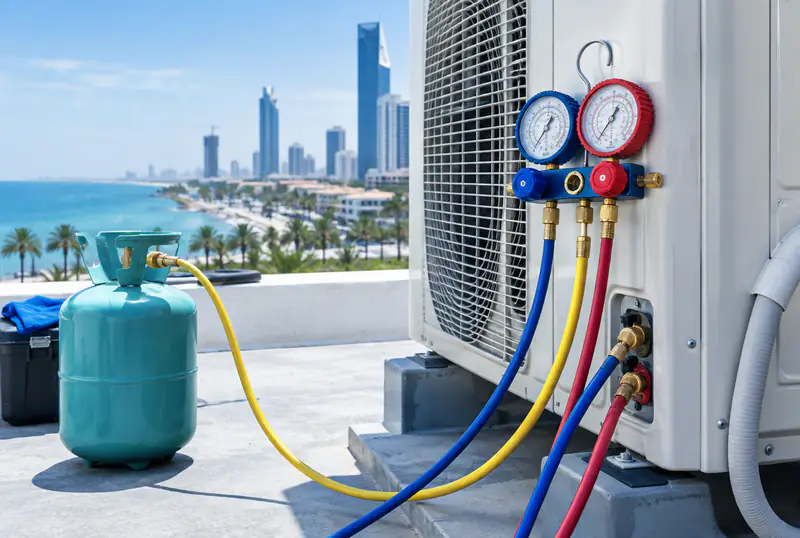
- Suction and discharge pressure readings
- Liquid and suction line temperatures
- Old refrigerant charge recovery
- Line vacuum before recharging
- Charge to nameplate refrigerant type
How we work
How we work
- 1
System check and readings
The technician checks the unit nameplate and system drawings, then reads suction and discharge pressures and line temperatures to judge the actual charge condition.
- 2
Find and fix the leak
If readings show a low charge, the technician finds the leak in the long line set, joints or components, and repairs it before any refrigerant is added.
- 3
Recovery and vacuum
The remaining old charge is recovered with a dedicated recovery machine, then a vacuum pump removes all air and moisture from the line before the new charge goes in.
- 4
Charge and verify
The system is charged with the refrigerant type on the nameplate only, never mixed with another type, then pressures are read again and cooling is checked across all zones.
Careful charge or a random top-up?
| Alrabih | The usual way | |
|---|---|---|
| Diagnosing the cause | Pressures and temperatures first | Add refrigerant straight away |
| The leak | Found and fixed before charging | Left to repeat the problem |
| Old charge | Recovered by machine | Vented to atmosphere |
| Refrigerant type | Nameplate type, no mixing | Whatever is to hand |
| Long line sets | Joints checked along the full run | Checked at the unit only |
Everything your AC needs, from one team
From system design and duct fabrication to installation, commissioning and maintenance.

Split AC installation
Request this serviceDuct installation
Request this serviceCentral AC installation
Request this serviceDuct fabrication
Request this serviceCold room installation
Request this serviceElectro-mechanical works
Request this serviceChiller & AHU installation
Request this serviceHVAC design
Request this serviceAC repair & faults
Request this serviceAC cleaning
Request this serviceRefrigerant charging
Request this serviceCentral AC maintenance
Request this serviceChiller maintenance
Request this serviceAC removal & refitting
Request this serviceDuct cleaning & sanitising
Request this serviceAC servicing by brand
Request this serviceOperation & maintenance contracts
Request this serviceAHU maintenance
Request this serviceFridge & freezer service
Request this serviceCold rooms
Request this serviceDisplay fridges & chillers
Request this serviceFactory HVAC
Request this serviceWarehouse HVAC
Request this serviceVilla & home HVAC
Request this serviceHotel HVAC
Request this serviceSchool HVAC
Request this serviceHospital HVAC
Request this serviceMosque HVAC
Request this serviceMall & retail HVAC
Request this serviceRestaurant & cafe HVAC
Request this service


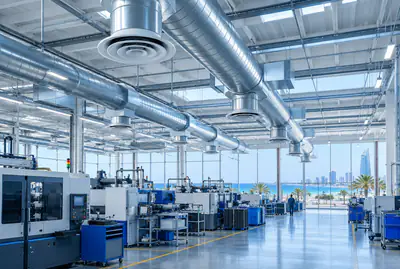
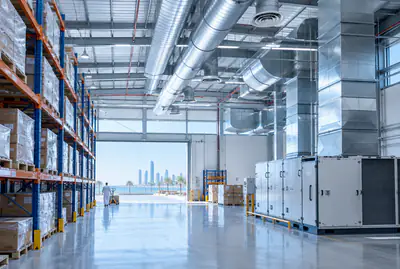







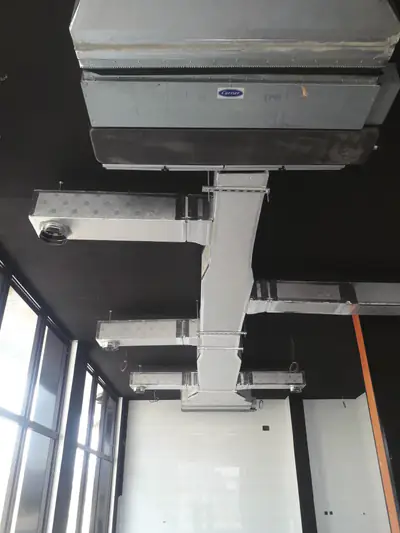
Some of our work
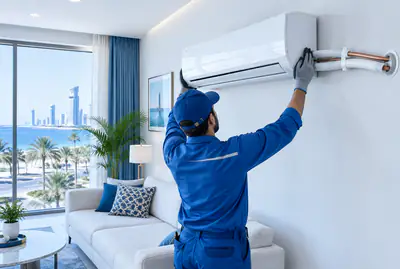
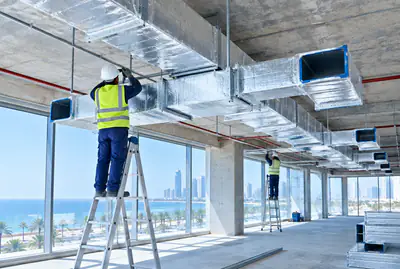
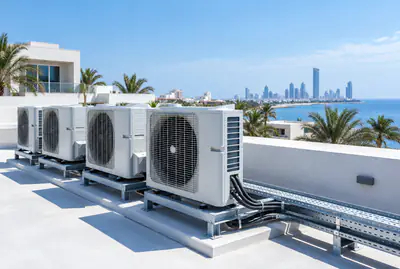
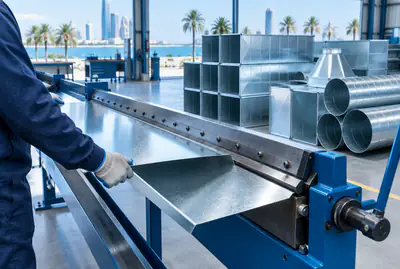
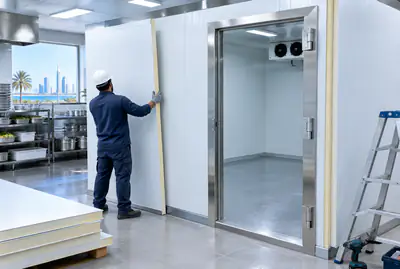
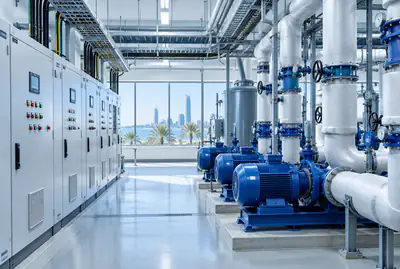
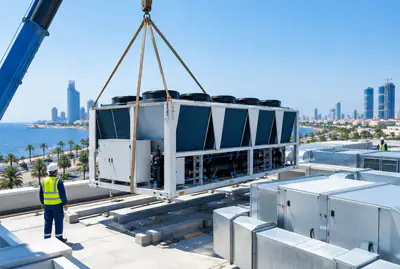
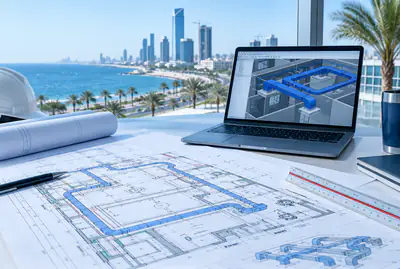
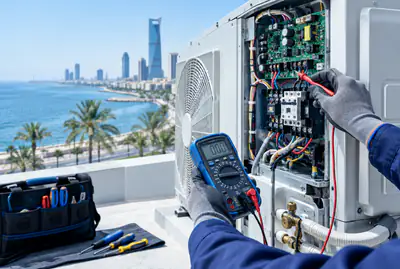
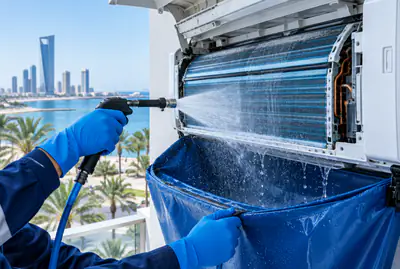
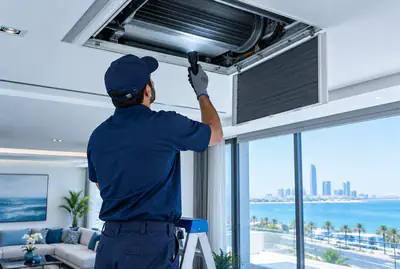
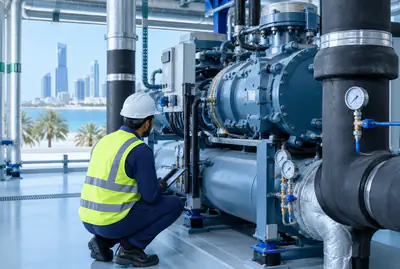
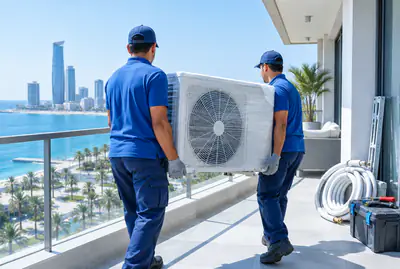
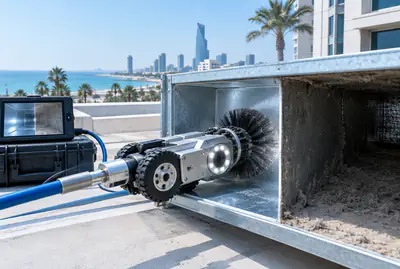
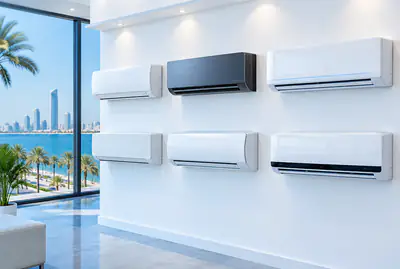
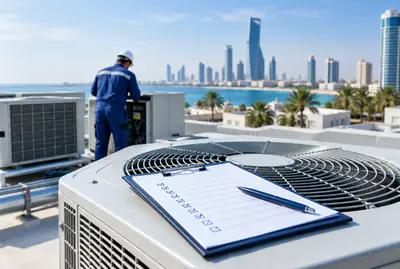
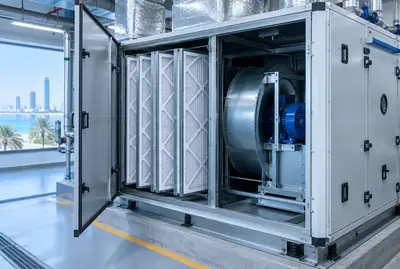
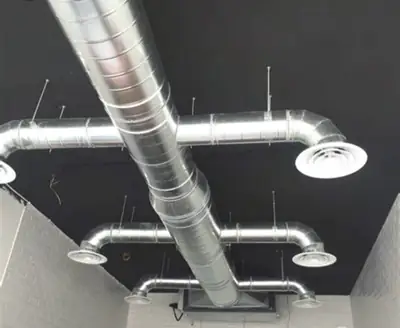
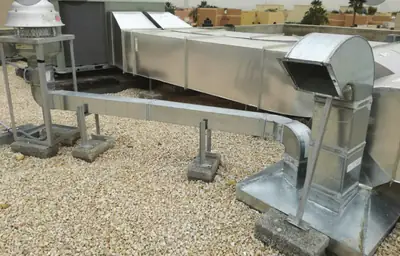
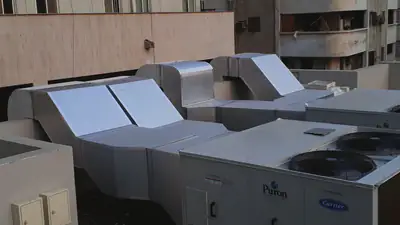
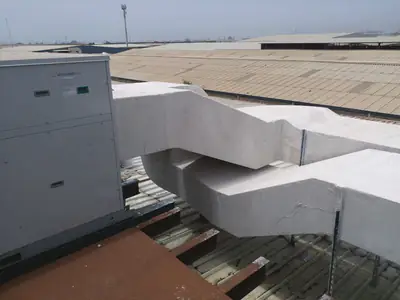
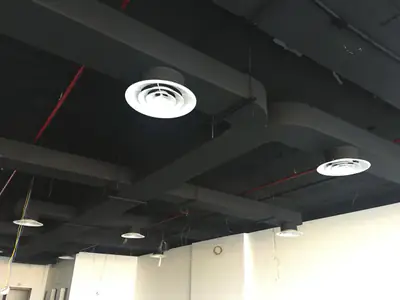
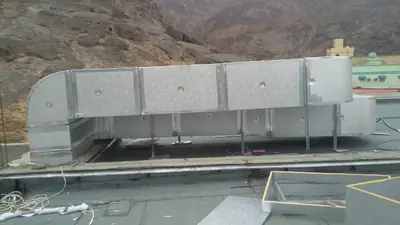
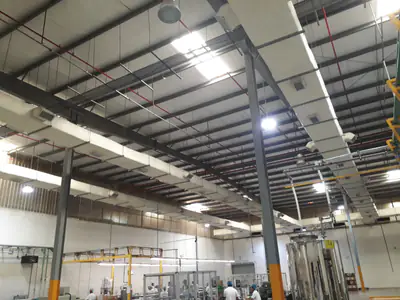
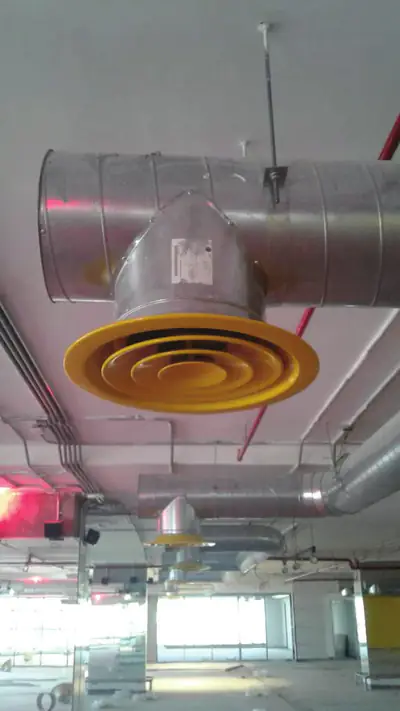
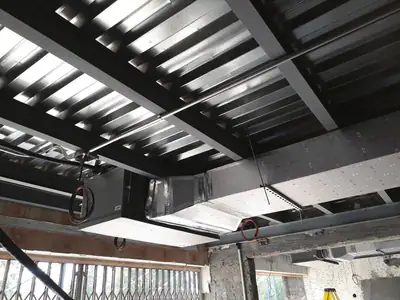
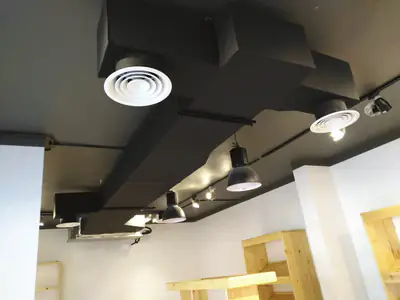
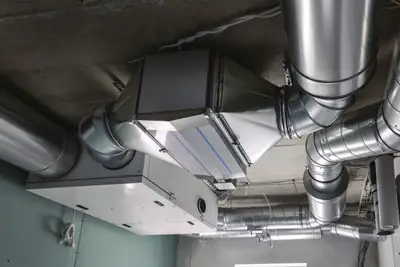
Ductwork, rooftop units and diffusers, from work we've completed in Jeddah.
Customer reviews
What our customers say
- Muhammadramzan 2641
“MashaaAllah. Services are so good. Behaviour and kindness 100/100. Prices are less then Market. Fully recommended”
- shahzeb armani
“Wow. Prices are so comfortable. Outstanding services. People are so talented and nice”
- Tawfik AlyawerLocal Guide
“U can find all u need for air conditioning”
Your satisfaction matters to us! If you had a great experience with us, we'd love a 5-star rating and a kind review.
Worked with us? Leave a reviewService areas
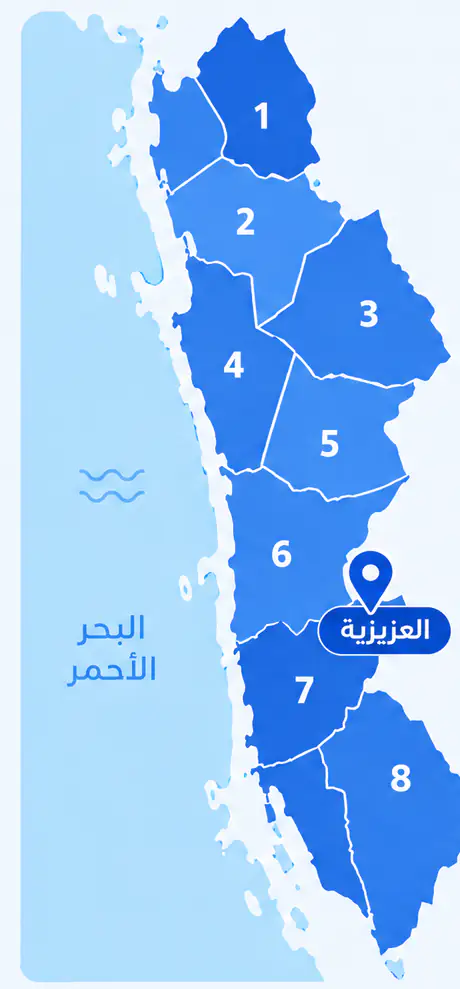
We come to you anywhere in Jeddah
From Al Shiraa and Al Yaqout in the north to Al Thaghr and Al Quraiyat in the south, with our base in Al Aziziyah.
What sets this district apart
Al Ghawla sits between newer and slightly older districts, mixing modern villas with mid-sized apartment blocks, most with central AC cooling multiple rooms from one outdoor unit. Buildings here are smaller than Al Safwah, so the copper runs are shorter, but slow leaks remain common because of intense heat and coastal humidity.
Al Ghawla is in eastern Jeddah, a medium-sized district with villas and apartment blocks served by central AC.
Most residential buildings in Al Ghawla have medium-sized central AC units with moderate-length copper runs.
The AC setup in Al Ghawla
- 1
Central AC with moderate copper runs
Buildings in Al Ghawla are smaller than spacious villas, so copper runs are shorter but may be more exposed to coastal moisture and slow leaks.
- 2
Outdoor units on roofs and balconies
Outdoor units in Al Ghawla are mounted on building roofs or side balconies, which exposes them directly to heat and the elements.
- 3
Villas and buildings with mid-range capacities
Central units here are typically 2 to 3 horsepower and need regular pressure checks because of exposure to heat and humidity.
Before the visit
Before our visit in Al Ghawla
- 1
Enable access to the roof or external balcony
The outdoor unit is on the roof or an external balcony, so confirm the roof door or balcony is accessible and safe before the visit.
- 2
Coordinate with building management if multi-storey
If the building is a multi-storey apartment block, contact the building manager in advance to arrange access to the roof or shared areas.
- 3
Photograph the outdoor unit's nameplate
The pressure written on the outdoor unit's nameplate is essential for our check, so take a clear photo of the nameplate before the visit day.
More districts for AC refrigerant charging
Other services in Al Ghawla
FAQ
Questions about AC refrigerant charging
Why can't a second refrigerant type be mixed into a ducted system?
Every refrigerant type is matched to a specific compressor, lubricating oil and operating pressures. Mixing two types shifts the pressures and contaminates the oil, straining the compressor and ruining cooling performance. We read the nameplate type and use only that.
Can a rooftop unit be recharged without shutting the whole building down?
In most cases one rooftop unit can be worked on while the others keep running, but this depends on how the system is designed and how many units it has. The technician reviews the system drawings at the survey and decides the approach that causes least disruption.
What do pressure and temperature readings tell you about a central AC system?
Suction pressure and gas line temperature show how well the evaporator coil is absorbing heat, while discharge pressure and liquid line temperature reveal condenser performance. Comparing both sets against the manufacturer's values shows whether the charge is low, high or whether another component is the real problem.
Why is the old charge recovered rather than just released?
Releasing refrigerant to the air damages the ozone layer and is prohibited. Recovery keeps the gas for proper recycling or disposal. In large systems the charge is substantial, so recovery both protects the environment and avoids losing a costly material before the repair is complete.
How does charging a ducted system differ from charging a standard split unit?
A ducted system has much longer refrigerant line sets and a larger charge, so a shortage takes longer to appear and leak-finding covers a much greater length of pipe and joints. Pressure readings must also be compared against the manufacturer's values for the whole system, not just a single indoor unit.
The AC cools but not as powerfully as before, does it need a charge?
It may be a slow leak from the coastal heat and humidity. We check pressure and temperature first, and if we find a leak, we repair it before charging.
How do you reach the outdoor unit in the closely built residential block?
Outdoor units in Al Ghawla are usually on the roof or side balcony. We coordinate with you in advance for safe access, especially in multi-storey buildings.
The copper lines are exposed to the sea and heat, does that cause leaks?
Yes, coastal humidity and intense heat speed up corrosion and slow leaks at copper joints. We detect leaks with an electronic scanner, and if we find one, we repair it before charging.
What is the difference between charging refrigerant and fixing a leak?
Charging adds the missing amount to the unit, but if there is a leak and we do not repair it first, the new refrigerant will leak too. So we check and fix the leak first, then charge.