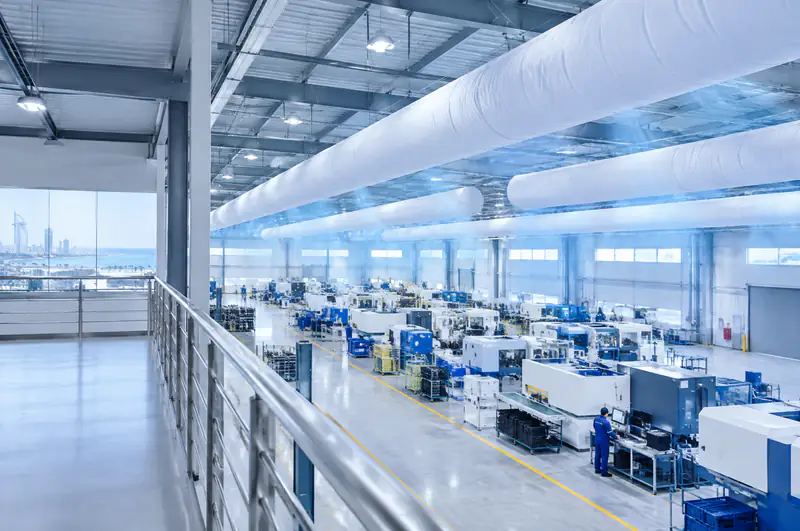

Industrial cooling done right
Factory HVAC in Al Muhammadiyah
In Al Muhammadiyah, north Jeddah, textile, clothing and chemical processing plants cluster, where cooling must maintain precise temperature and humidity to protect raw materials and stock. Alrabih designs advanced cooling and stability systems to protect production and workers.
- Industrial ventilation
- SMACNA ducting
- Shift-planned maintenance
Clients We're Proud to Serve
Organisations and companies that trusted Alrabih with their projects.



























When does a factory need a specialist system?
- 1
Machine heat exhausting the workers
Compressors, motors and furnaces push out steady heat that scattered split units cannot handle. We assess every heat source on site and design a system that removes that heat and delivers cooled air precisely where people work.
- 2
A high roof that traps hot air
Hot air rises and collects under the roof while workers suffer at floor level. Evaporator positions, airflow angles and unit sizing all depend on the ceiling height and building shape, and the site survey decides each of these.
- 3
Production dust destroying equipment
In wood, metal and plastic factories, coarse dust enters units and damages compressors and coils. We select equipment suited to industrial environments and design air paths that separate cooling air from contaminated process air wherever possible.
Who it's for
Building a new factory that needs HVAC
We join at design stage to fix unit positions, duct routes and extraction before the roof is cast and machines are installed, so the system is built into the structure from the start.
Ask on WhatsAppExisting factory where heat is hurting output
We visit during live production, measure heat at its sources, and design additions or replacements that fix the problem without a long shutdown of your lines.
Ask on WhatsApp
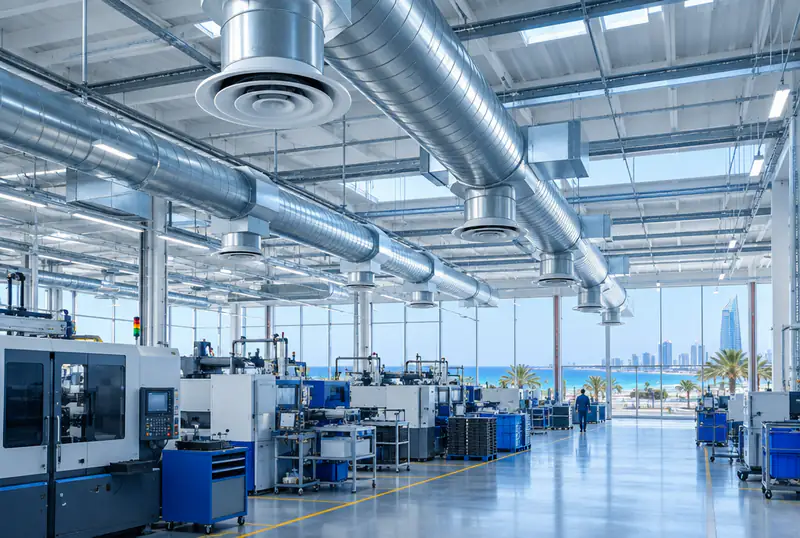
What the system covers
- Survey of heat and process
- Cooling, ventilation and extraction design
- Round and rectangular duct fabrication
- Unit installation, connections, plenums
- Maintenance around shift patterns
How we work
How we work
- 1
Industrial site survey
Our team visits the factory during operation to measure actual heat from machines, map worker zones and critical processes, record ceiling heights and identify possible duct routes.
- 2
System design
We design central plant, distributed units or a combination to suit the factory, and fix the positions of extraction and ventilation units, duct sizes and damper locations before you approve the work.
- 3
Fabrication and installation
We fabricate duct in our own workshop from G90 galvanised or aluminium sheet to SMACNA standards, run Mueller copper in runs of up to 30 metres without welded joints, mount units and insulate pipework with Armaflex and Kimmco materials.
- 4
Commissioning and scheduled maintenance
We commission the system, check airflow distribution, refrigerant pressure and damper balance, then set up a preventive and corrective maintenance contract timed to fit around your production shifts.
Designed system or random units?
| Alrabih | The usual way | |
|---|---|---|
| Heat analysis | Measured during live operation | Visual guess only |
| Ducting | G90 sheet to SMACNA standards | Off-the-shelf, unsized duct |
| Extraction | Designed with the cooling | Standalone fans, uncoordinated |
| Maintenance | Scheduled around shifts | Only when it breaks |
| Copper runs | Mueller, no welds, 30 metres | Multiple welded joints |
Everything your AC needs, from one team
From system design and duct fabrication to installation, commissioning and maintenance.

Split AC installation
Request this serviceDuct installation
Request this serviceCentral AC installation
Request this serviceDuct fabrication
Request this serviceCold room installation
Request this serviceElectro-mechanical works
Request this serviceChiller & AHU installation
Request this serviceHVAC design
Request this serviceAC repair & faults
Request this serviceAC cleaning
Request this serviceRefrigerant charging
Request this serviceCentral AC maintenance
Request this serviceChiller maintenance
Request this serviceAC removal & refitting
Request this serviceDuct cleaning & sanitising
Request this serviceAC servicing by brand
Request this serviceOperation & maintenance contracts
Request this serviceAHU maintenance
Request this serviceFridge & freezer service
Request this serviceCold rooms
Request this serviceDisplay fridges & chillers
Request this serviceFactory HVAC
Request this serviceWarehouse HVAC
Request this serviceVilla & home HVAC
Request this serviceHotel HVAC
Request this serviceSchool HVAC
Request this serviceHospital HVAC
Request this serviceMosque HVAC
Request this serviceMall & retail HVAC
Request this serviceRestaurant & cafe HVAC
Request this service
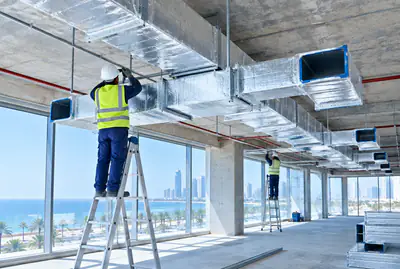



Some of our work
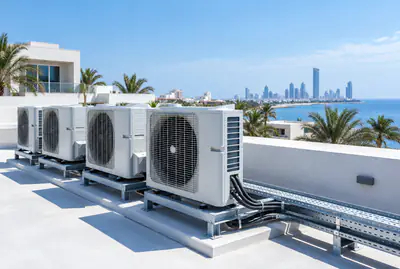
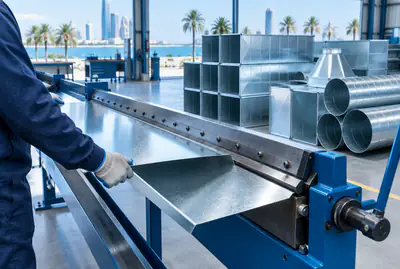
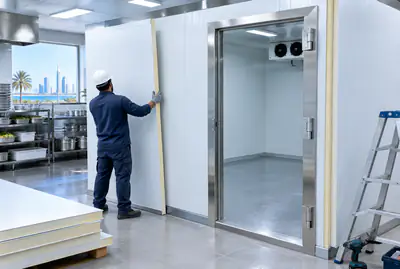
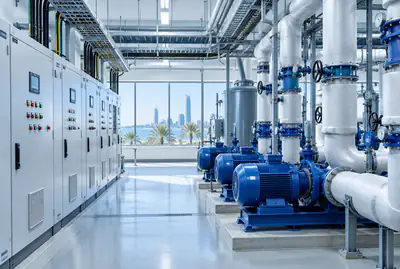
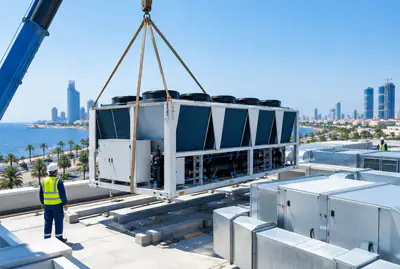
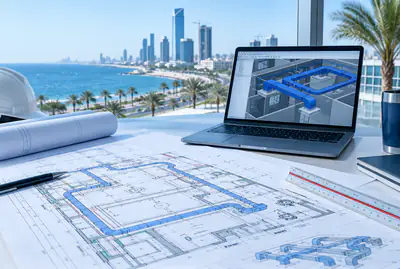
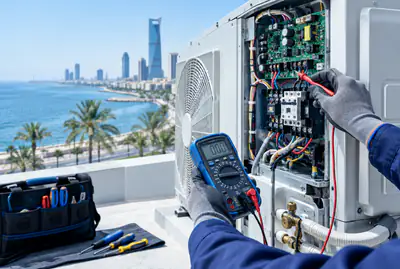
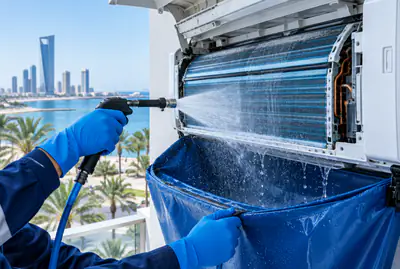
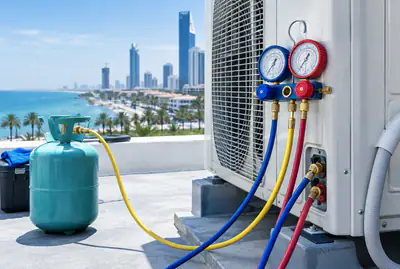
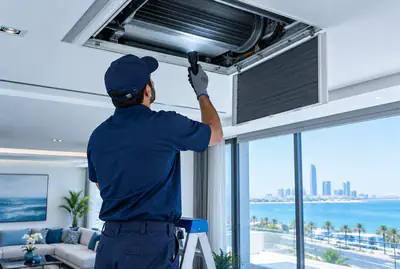
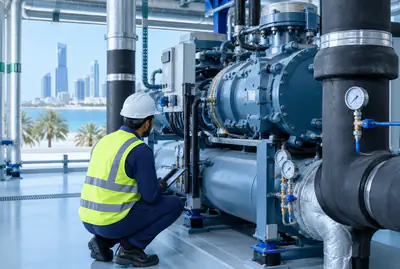
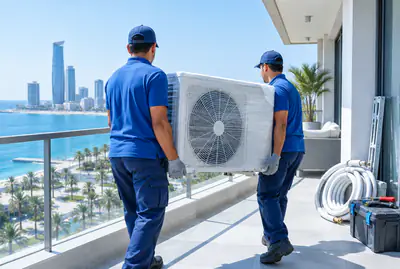
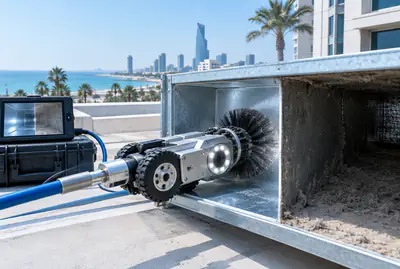
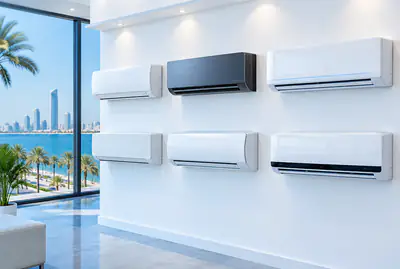
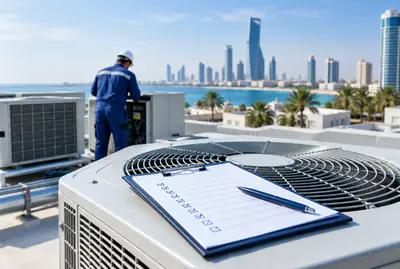
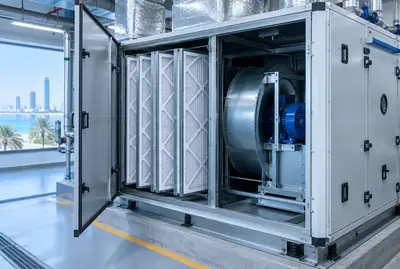
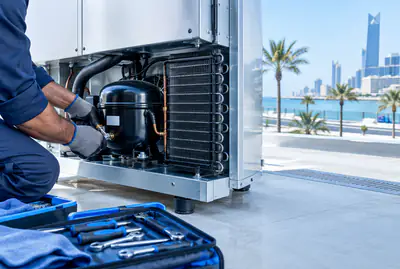
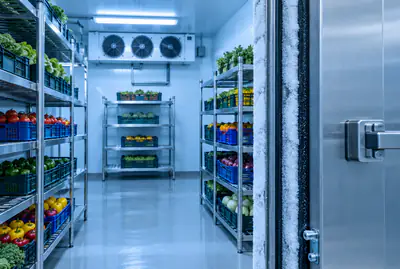
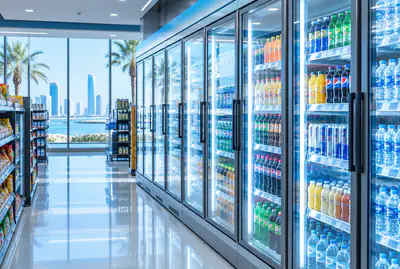
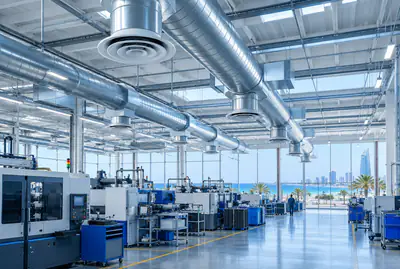
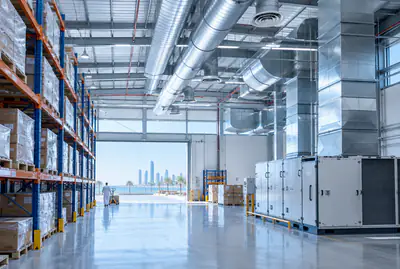
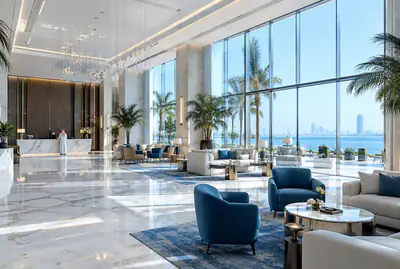
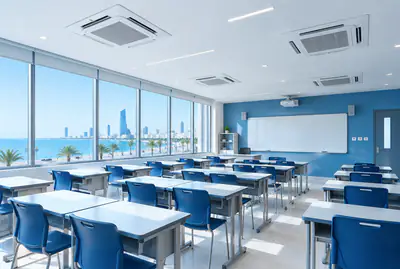
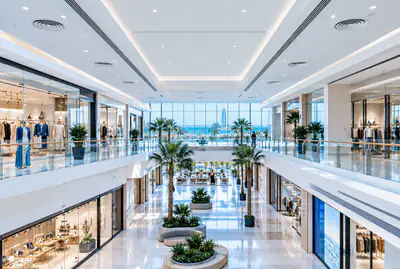
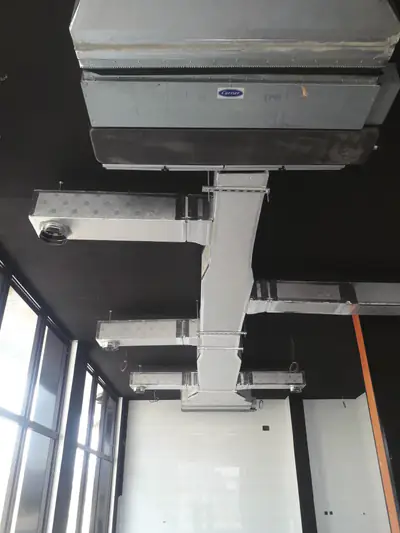
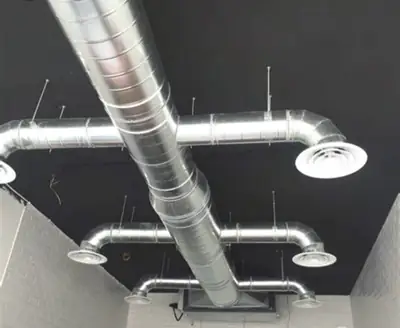
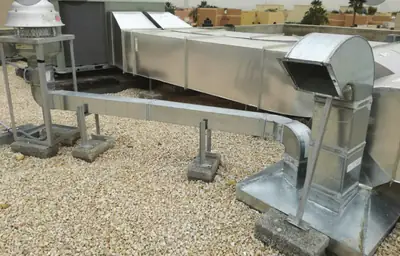
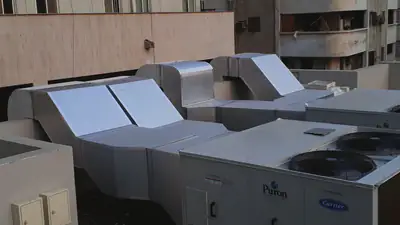
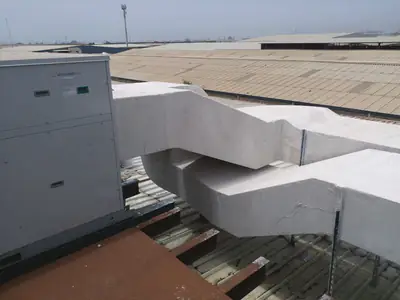
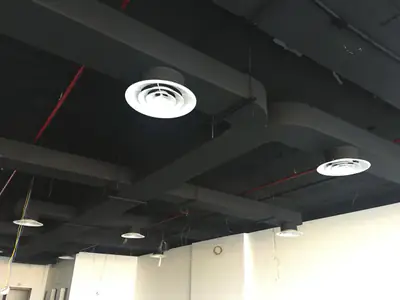
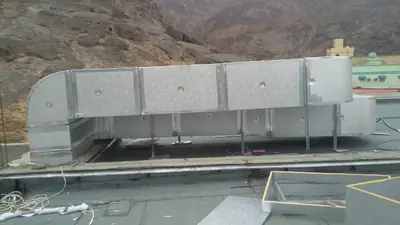
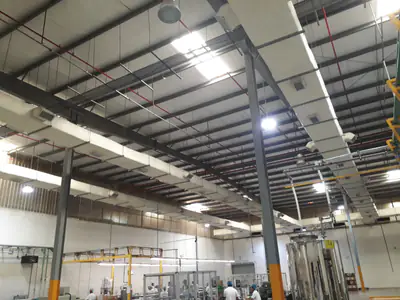
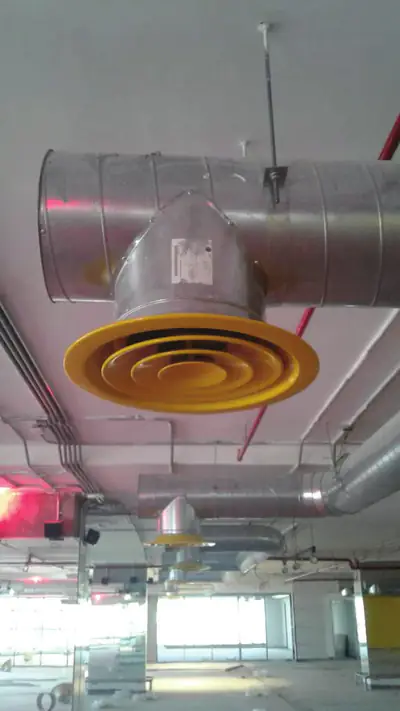
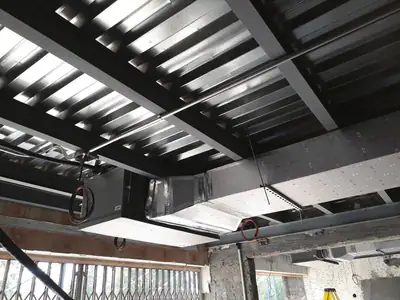
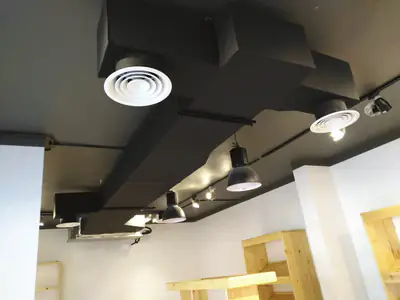
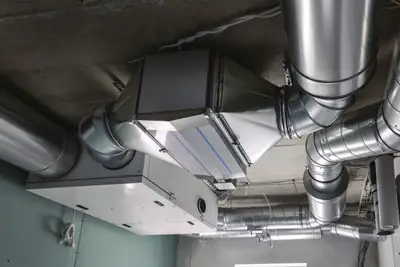
Ductwork, rooftop units and diffusers, from work we've completed in Jeddah.
Customer reviews
What our customers say
- Muhammadramzan 2641
“MashaaAllah. Services are so good. Behaviour and kindness 100/100. Prices are less then Market. Fully recommended”
- shahzeb armani
“Wow. Prices are so comfortable. Outstanding services. People are so talented and nice”
- Tawfik AlyawerLocal Guide
“U can find all u need for air conditioning”
Your satisfaction matters to us! If you had a great experience with us, we'd love a 5-star rating and a kind review.
Worked with us? Leave a reviewService areas
We come to you anywhere in Jeddah
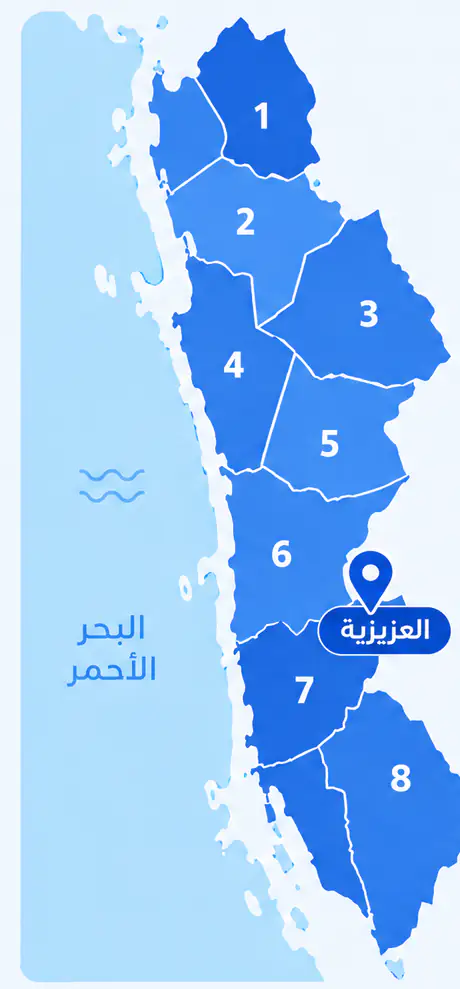
From Al Shiraa and Al Yaqout in the north to Al Thaghr and Al Quraiyat in the south, with our base in Al Aziziyah.
What sets this district apart
Al Muhammadiyah is a diverse industrial zone with textile, clothing and chemical processing plants, where raw materials are sensitive to heat, humidity and sudden changes. Ceilings are high and production lines are long, and chemical processes may release vapours needing strong extraction. Cooling must maintain relative stability in temperature and humidity, and any interruption can affect product quality or stock integrity. Textiles especially need specific relative humidity, and temperature swings can make yarn brittle or distort colours.
Al Muhammadiyah lies in north Jeddah, an industrial zone of medium-sized textile, clothing and chemical processing plants.
Most textile and clothing factories in Al Muhammadiyah use central cooling units with precise humidity monitoring and need temperature stability year-round.
The AC setup in Al Muhammadiyah
- 1
Central cooling unit with precise humidity control
Textile and clothing factories need a central unit with dehumidification to protect raw materials and finished goods from moisture damage.
- 2
Separate extraction system for chemical vapours
Chemical processing lines need separate extraction from the main AC to protect filters and workers from harmful vapours.
- 3
Separate cool storage rooms for sensitive stock
Chemical stock and heat-sensitive raw materials need separate insulated cool rooms at low, stable temperatures.
Before the visit
Before our visit in Al Muhammadiyah
- 1
Identify chemical processing zones and storage areas
Tell us where chemical processing lines and heat-sensitive storage are so we can design cooling and extraction for efficiency and safety.
- 2
Provide temperature and humidity targets for each section
Specify temperature and humidity targets separately for textile areas and chemical storage so we select the right equipment for each.
- 3
Ensure space for separate units and additional ducts
Al Muhammadiyah factory systems may need separate units and ducts, ensure adequate ceiling and wall space without blocking production lines.
More districts for Factory HVAC
Other services in Al Muhammadiyah
FAQ
Questions about Factory HVAC
Can you cool just the worker zones without cooling the whole factory?
Yes, and we do it often. We design spot cooling for workstations or worker walkways using independent units or directed duct runs, rather than trying to cool the entire building volume. The right approach depends on the site and the process, and the survey decides it.
How do you handle heavy industrial dust in Jeddah?
We select units with a protection rating suited to the industrial environment and route airflow away from dust sources where the layout allows. In scheduled maintenance we inspect and clean coils, compressors and filters before deposits build up and affect unit performance.
Do you fabricate the large ducts a factory needs?
Yes, in our own workshop we fabricate round and rectangular duct to any size the design calls for, from G90 galvanised or aluminium sheet to SMACNA standards, including plenums, transitions and dampers needed to control air distribution.
Can you do maintenance between production shifts?
Yes, when we set up the preventive maintenance contract we agree times that fit your production schedule, whether between shifts or on rest days. The aim is that production lines are never stopped because of maintenance work.
What is the difference between process ventilation and worker-zone air conditioning?
Process ventilation targets heat and fumes produced by machinery and production lines, using exhaust fans and calculated fresh-air inlets sized to the heat load at each source. Worker-zone air conditioning aims to maintain a tolerable temperature at floor level without cooling the full volume of the building. A site survey of each factory decides which approach fits each area.
Textiles and yarn are humidity sensitive, how do you maintain the correct relative humidity?
We install dehumidifiers and additional units to regulate humidity precisely, with advanced sensors and instant alerts if levels drift from target range.
Chemical vapours affect the AC and filters, how do you handle this?
We install dedicated exhaust fans near chemical processing lines and coordinate them with the main system, using specialised filters resistant to chemical vapours.
Temperature swings can ruin product quality, how do you ensure stability?
We design a system with a high-precision thermostat controlling even tiny variations, and provide backup units and emergency contact to ensure cooling never stops.
Chemical stock needs to be kept cool, is that possible?
Yes, we install separate cool storage rooms or a section of the main system dedicated to lower temperatures for chemical stock, with strong insulation and safe ventilation.