
Warehouse Cooling
Warehouse HVAC in Al Sahil
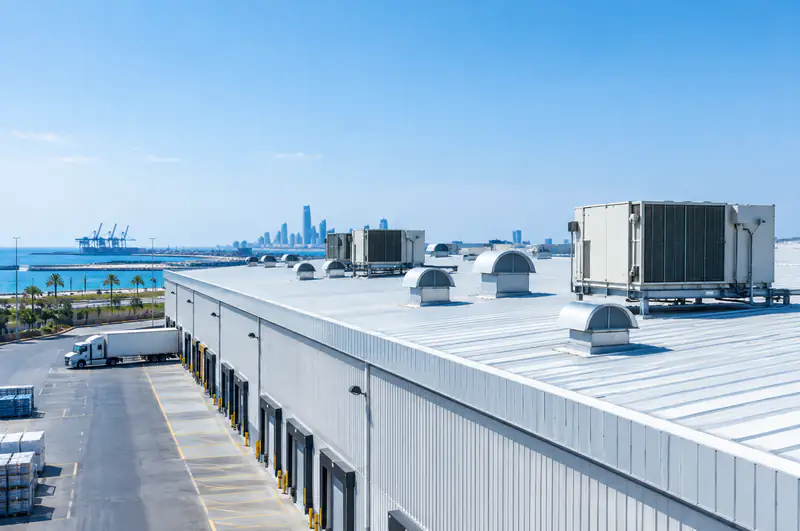
In Al Sahil, south Jeddah, large commercial and industrial warehouses with metal roofs face the sea's direct heat all day long. Alrabih zones the building by use and selects a cooling system for each zone to protect stock and workers from heat stress.
- Zone control
- Stock protection
- Directed ventilation
Clients We're Proud to Serve
Organisations and companies that trusted Alrabih with their projects.


































When your warehouse needs a proper HVAC system
- 1
Heat that damages stored stock
Food, pharmaceutical and electronics stock all have storage temperature limits. When a metal warehouse roof bakes under Jeddah's sun, the air inside becomes a direct threat to shelf life and product quality. The solution starts with a survey of the racking layout to find the critical zones.
- 2
Workers overheating in the picking area
Workers in the picking and loading area move constantly under a hot roof. Natural ventilation alone is not enough in summer. We choose between direct cooling and evaporative cooling based on a site survey and the indoor humidity level.
- 3
Warehouse offices that are never comfortable
Supervisor and reception offices have different needs from the large storage hall. Putting them on one system raises cost and weakens performance in both areas. We give the office zone its own system and link it to the warehouse with pressure-control points.
Who it's for
Storing heat-sensitive stock in a warehouse
We locate the critical zone in the racking layout and design an independent cooling system with its own controls, keeping that area at a safe temperature separate from the rest of the warehouse.
Ask on WhatsAppBuilding a new warehouse and need HVAC from the start
We join the project at design stage before the roof closes, mapping cooling zones, ventilation and duct routes to fit the racking plan and loading doors from the outset.
Ask on WhatsApp
What the system covers
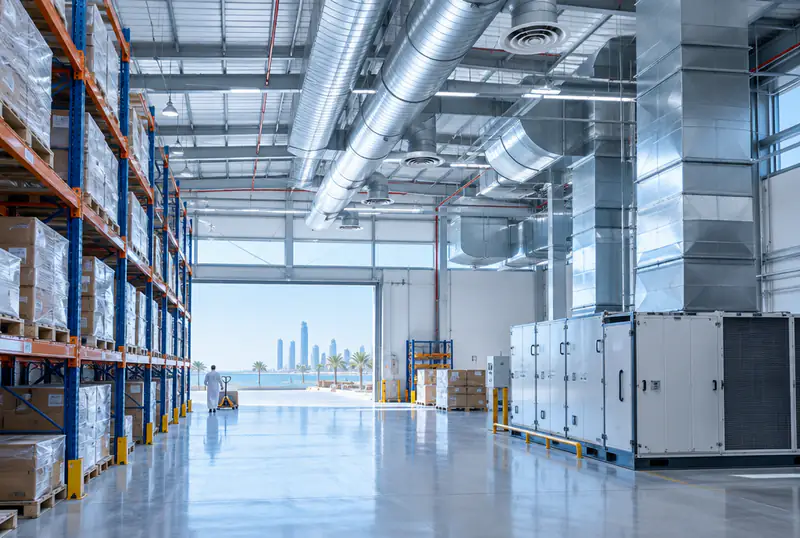
- Racking layout and zone map
- Cooling units per zone
- Ductwork from our workshop
- Independent controls per zone
- Airflow check after start-up
How we work
How we work
- 1
Site survey
We visit the warehouse, measure the internal height, review the racking layout and the positions of loading doors and offices, then map the main thermal zones before proposing any system.
- 2
System design and zoning
We design a system for each zone: central or split units for offices and critical stock areas, and evaporative or mechanical ventilation for the picking area where indoor humidity allows it.
- 3
Duct fabrication and installation
We fabricate round and rectangular ductwork in our workshop from G90 galvanised sheet to the site dimensions, insulate with Armaflex or Kimmco materials, then mount the units, run the copper and connect the control points.
- 4
Start-up and handover
We start each zone separately, measure airflow at multiple points across the warehouse floor, and check that all drain lines are clear before handing over.
A zoned system or unplanned scattered units?
| Alrabih | The usual way | |
|---|---|---|
| Zone design | Surveyed and mapped before fitting | Units added when complaints come |
| Ductwork | Fabricated to site dimensions | Flex duct without calculation |
| Evaporative cooling | Where humidity allows it | Fitted without measuring humidity |
| Sensitive stock | Separate zone with its own control | Left in the general air |
| Copper runs | Mueller, weld-free to 30 m | Multiple welded joints |
Everything your AC needs, from one team
From system design and duct fabrication to installation, commissioning and maintenance.

Split AC installation
Request this serviceDuct installation
Request this serviceCentral AC installation
Request this serviceDuct fabrication
Request this serviceCold room installation
Request this serviceElectro-mechanical works
Request this serviceChiller & AHU installation
Request this serviceHVAC design
Request this serviceAC repair & faults
Request this serviceAC cleaning
Request this serviceRefrigerant charging
Request this serviceCentral AC maintenance
Request this serviceChiller maintenance
Request this serviceAC removal & refitting
Request this serviceDuct cleaning & sanitising
Request this serviceAC servicing by brand
Request this serviceOperation & maintenance contracts
Request this serviceAHU maintenance
Request this serviceFridge & freezer service
Request this serviceCold rooms
Request this serviceDisplay fridges & chillers
Request this serviceFactory HVAC
Request this serviceWarehouse HVAC
Request this serviceVilla & home HVAC
Request this serviceHotel HVAC
Request this serviceSchool HVAC
Request this serviceHospital HVAC
Request this serviceMosque HVAC
Request this serviceMall & retail HVAC
Request this serviceRestaurant & cafe HVAC
Request this service
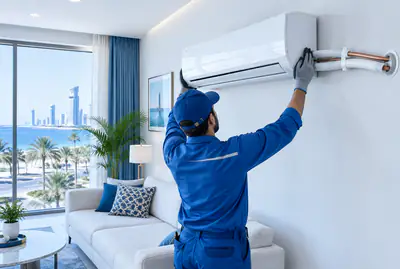
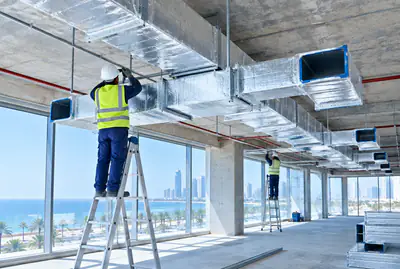
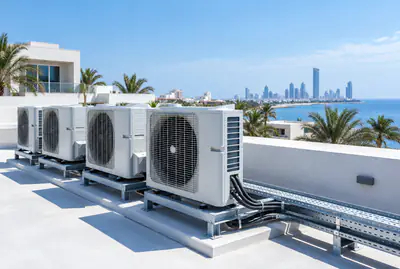
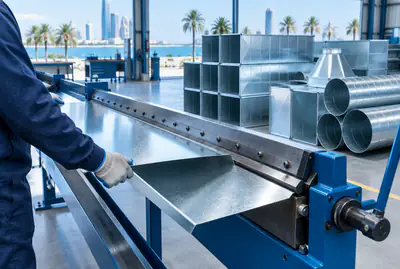
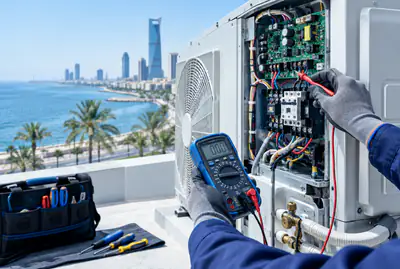
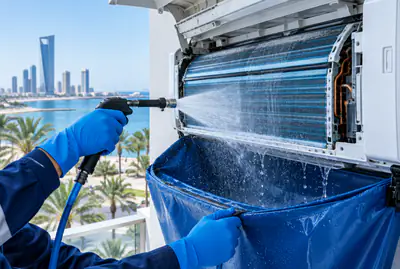
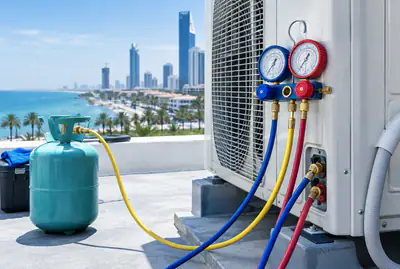
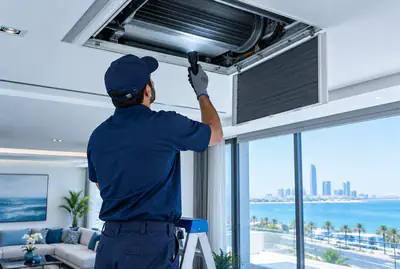
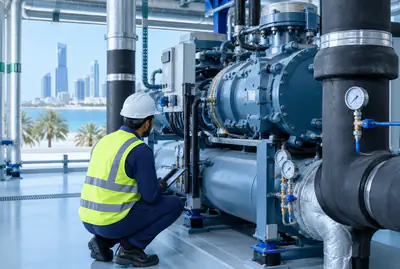
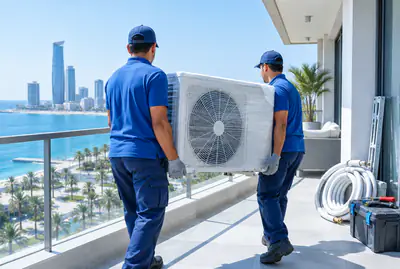
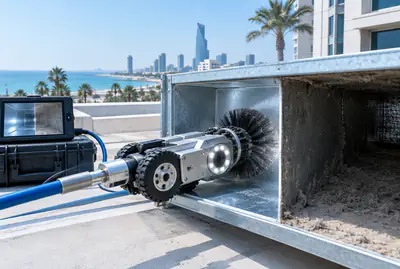
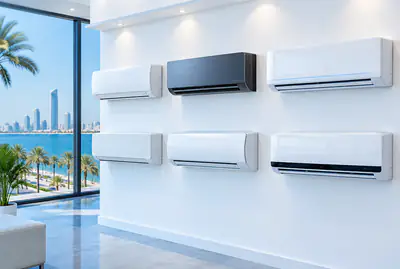
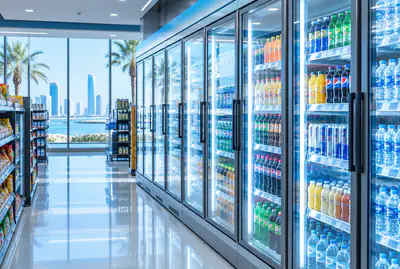
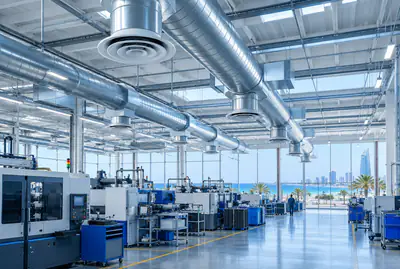
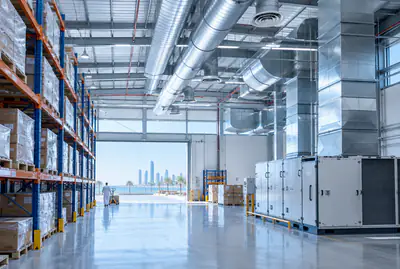



Some of our work
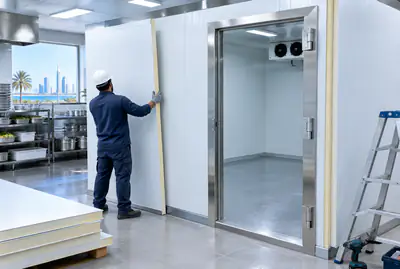
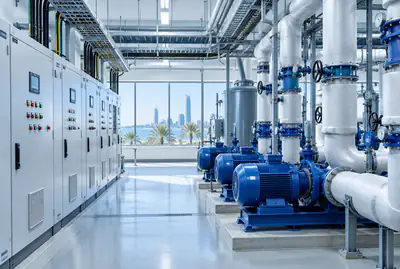
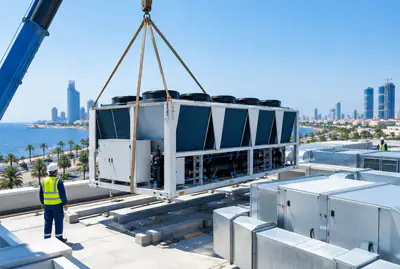
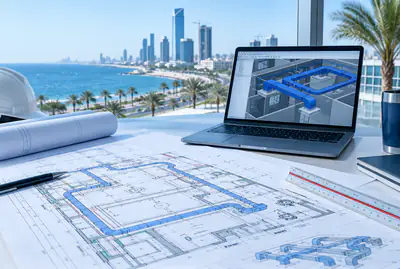
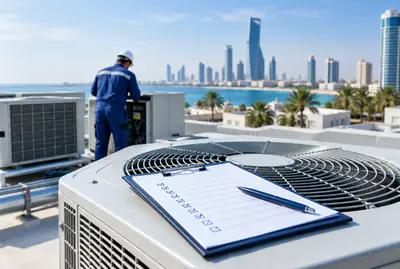
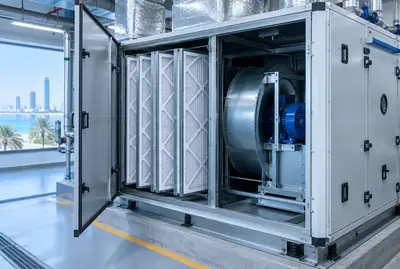
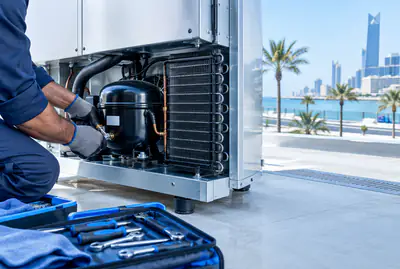
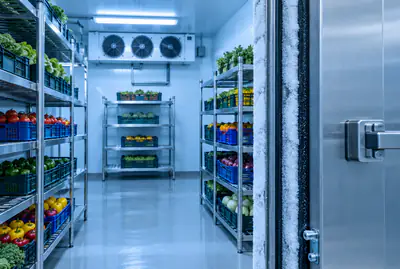
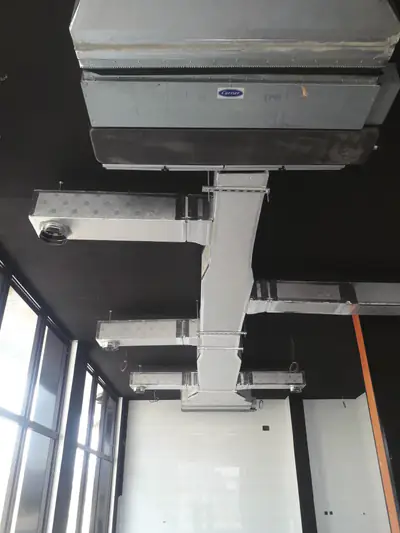
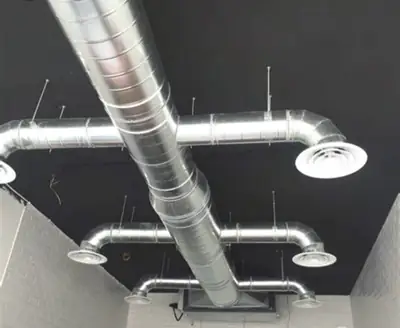
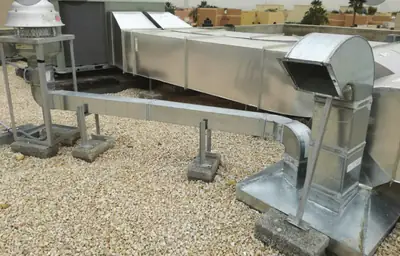
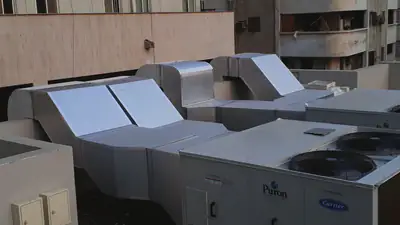
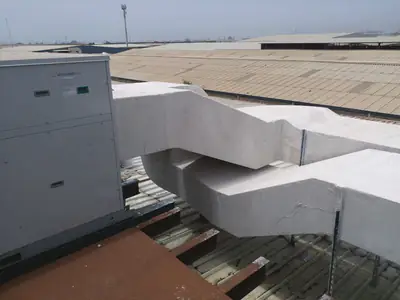
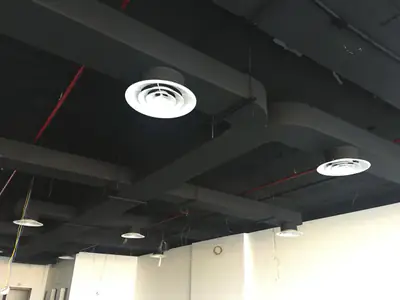
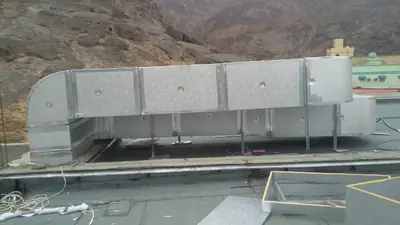
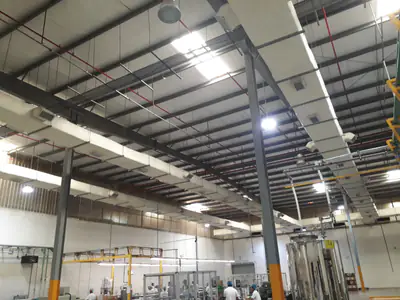
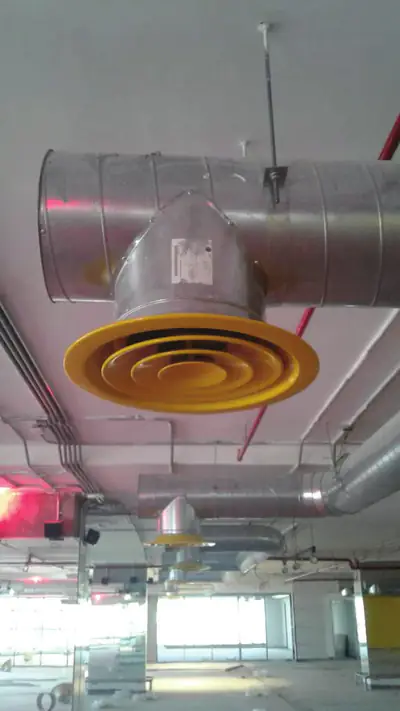
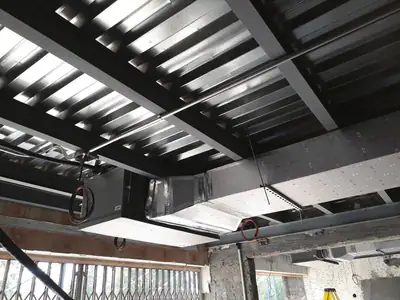
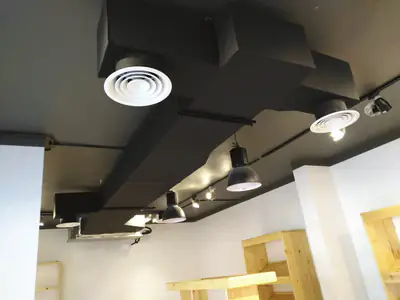
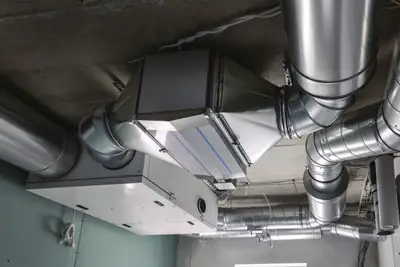
Ductwork, rooftop units and diffusers, from work we've completed in Jeddah.
Customer reviews
What our customers say
- Muhammadramzan 2641
“MashaaAllah. Services are so good. Behaviour and kindness 100/100. Prices are less then Market. Fully recommended”
- shahzeb armani
“Wow. Prices are so comfortable. Outstanding services. People are so talented and nice”
- Tawfik AlyawerLocal Guide
“U can find all u need for air conditioning”
Your satisfaction matters to us! If you had a great experience with us, we'd love a 5-star rating and a kind review.
Worked with us? Leave a reviewService areas
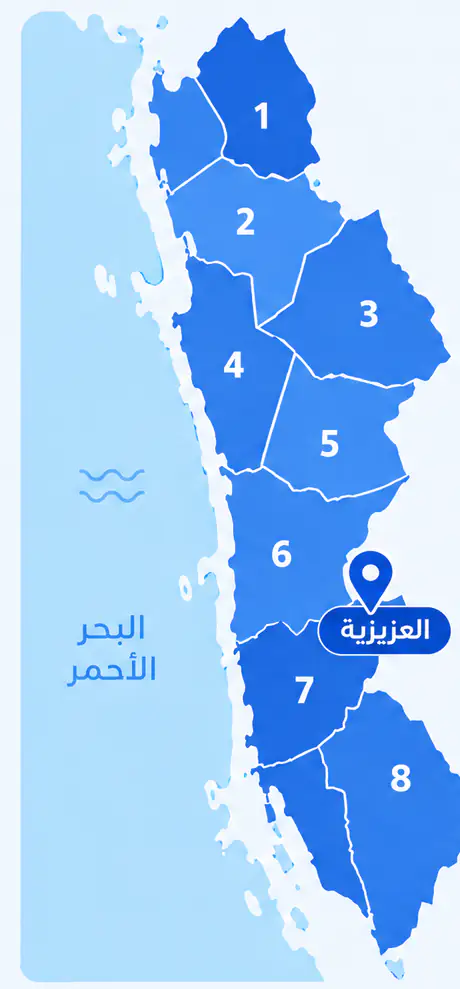
We come to you anywhere in Jeddah
From Al Shiraa and Al Yaqout in the north to Al Thaghr and Al Quraiyat in the south, with our base in Al Aziziyah.
What sets this district apart
Warehouses in Al Sahil sit near the seafront, and their metal roofs absorb both humid air and salt spray, speeding corrosion of outdoor units. The interior spaces are large and open but need even cooling, though heat pools away from the main entrance. A central ducted system with long distribution runs suits these buildings best, but regular maintenance is vital because humidity and salt attack the metalwork.
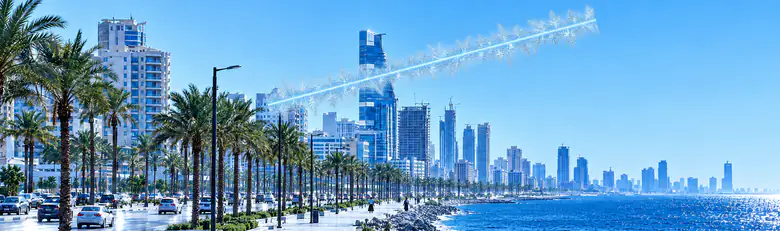
Al Sahil lies in south Jeddah directly on the Red Sea, a district of large warehouses and logistics facilities with broad metal roofs.
Most Al Sahil warehouses are built with light steel frames and corrugated metal roofs, relying on central cooling units or parallel outdoor package systems.
The AC setup in Al Sahil
- 1
Central cooling with long duct runs
The open expanse of Al Sahil warehouses benefits from one or more central units with distributed ducts covering the whole building evenly.
- 2
Multiple outdoor package units in parallel
Larger warehouses sometimes use multiple outdoor package units linked together to boost capacity and spread load, easing maintenance and providing backup if one fails.
- 3
Ventilation with staged cooling
In some warehouses storing heat-tolerant goods, we blend natural or mechanical ventilation with central cooling only in critical zones to save energy.
Before the visit
Before our visit in Al Sahil
- 1
Share the warehouse layout and uses
Send us a sketch or aerial image showing the main doors and different zones (cold storage versus general) so we can define the cooling zones needed.
- 2
Confirm roof and outdoor-unit access
Check that the metal roof is safe to walk on and there is enough ground or rooftop space to mount outdoor units away from walkways and staff.
- 3
Confirm three-phase power is available
Central units sometimes need three-phase power, so check the main distribution board and tell us the available electrical capacity before the visit.
More districts for Warehouse HVAC
Other services in Al Sahil
FAQ
Questions about Warehouse HVAC
Is evaporative cooling right for a warehouse in Jeddah?
It depends on indoor humidity levels and the type of stock stored. In well-ventilated open areas where stock is not sensitive to a small rise in humidity, evaporative cooling can work well. The site survey gives a clear answer before any decision is made.
How do you handle the height in tall warehouse bays?
In a tall bay, cool air settles low and hot air rises, which works in your favour when diffusers are aimed correctly at the working level and the racking. We set diffuser angles and positions during design based on the racking height and the movement aisles.
Can cold storage zones link to the rest of the warehouse system?
Cold rooms and freezer rooms run on their own refrigeration systems, which we install as a separate service. What we handle here is the ambient air around those room doors, so warm warehouse air does not rush in when they open, managed by pressure zoning between the two spaces.
Do warehouse air ducts need insulation?
Yes, especially ducts that run close to the hot metal roof. Without insulation, cool air gains heat before it reaches the diffusers and loses much of its effect. We insulate with Armaflex or Kimmco materials and seal joints with Foster sealants to stop air leaks.
Does airflow distribution differ between tall racking aisles and open floor areas?
Yes. In tall racking aisles the airflow path narrows and slows, so we choose directional diffusers that push air along the aisle length rather than spreading it sideways. In open floor areas we use wider-angle diffusers. The angle and position of each diffuser are set at design stage based on the aisle width and racking height.
Sea salt affects warehouse units, how do you protect them?
We select outdoor units from brands rated for coastal environments, fit a rust-resistant metal guard around the exterior section, and include regular coil cleaning in maintenance contracts.
Our warehouse is very long and cold air does not reach the far end, how do you solve that?
We divide the warehouse into cooling zones by use and distance from the entrance, then run ducting in stepped sections and side branches to ensure balanced airflow from one end to the other.
High humidity on the coast strains cooling systems; does that reduce unit lifespan?
Yes, humidity and salt speed corrosion, so we recommend cleaning and checks every three months, and select enhanced protection materials for coastal zones.
How large a central unit does a long duct run need?
It depends on the warehouse floor area, ceiling height and the metal roof's thermal insulation; a site visit is needed to measure actual heat load and size it correctly.